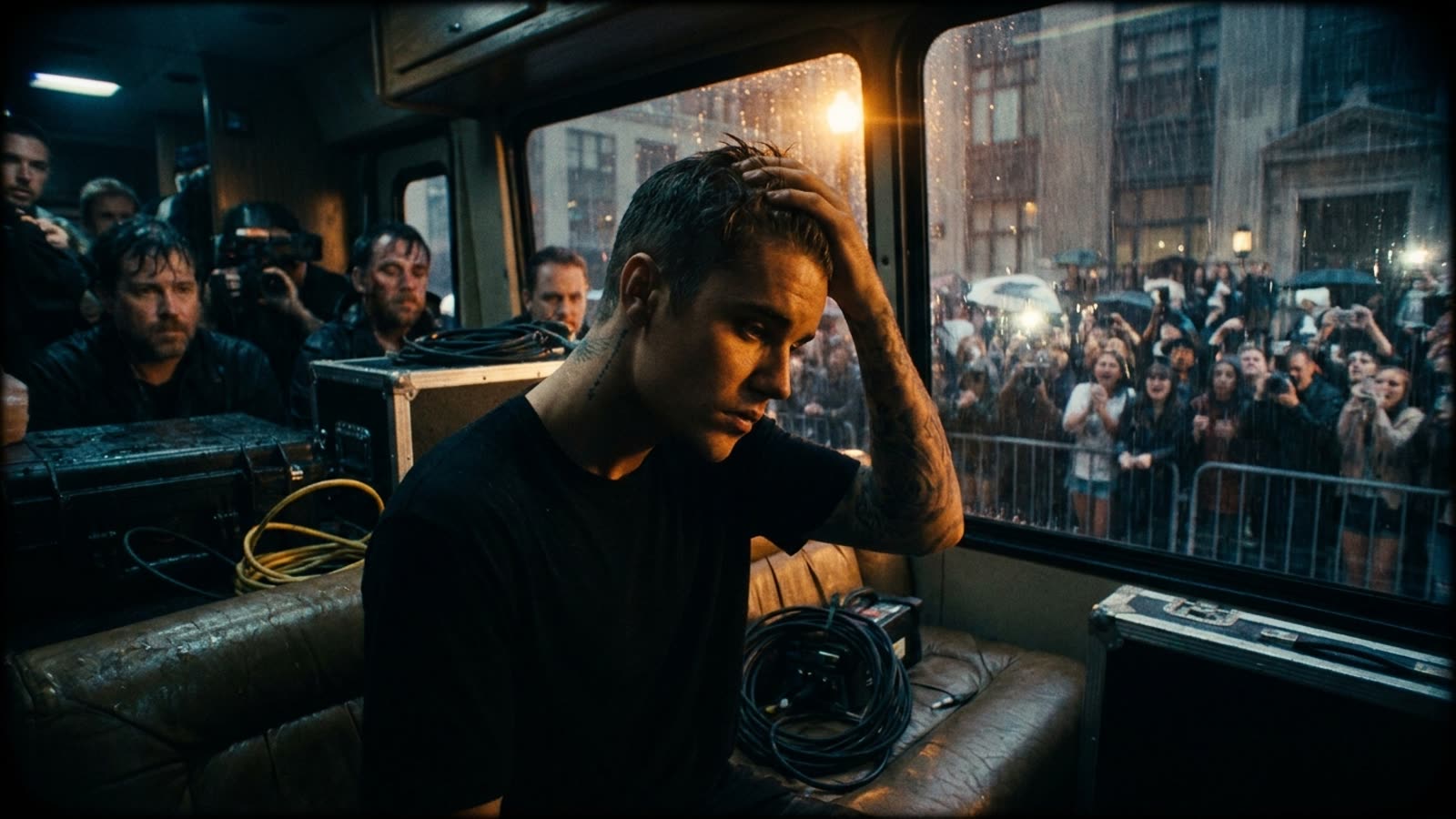
Few celebrity marriages have been subjected to the forensic intensity reserved for the Biebers. Every photograph is analyzed for signs of strain; every solo outing becomes evidence of imminent collapse. This week, the couple appeared together in Los Angeles, prompting the predictable cycle: tabloid speculation, fan theories, body-language experts weighing in on Instagram. The Biebers, for their part, said nothing—which is perhaps the most eloquent response available.
The fascination with this particular union predates their 2018 courthouse wedding. Justin Bieber's relationship history—most notably his on-again, off-again romance with Selena Gomez—created a template for how fans engage with his love life. Hailey Baldwin, as she was then known, entered a narrative already crowded with protagonists and antagonists. She has never quite escaped the role of interloper, despite nearly eight years of marriage.
The parasocial paradox
What makes the Bieber marriage uniquely compelling to observers is the visibility of its participants. Both maintain active social media presences; both have built businesses (his music, her Rhode skincare empire) that depend on public engagement. They cannot retreat entirely, yet every appearance together is treated as a press release on the state of their relationship. The couple exists in a peculiar limbo: too famous to be private, too private to satisfy the appetite they've inadvertently cultivated.
The internet's investment in their potential divorce reveals something uncomfortable about contemporary celebrity culture. There is a segment of the audience that roots for failure—not out of malice, necessarily, but because dissolution is narrative satisfaction. A lasting marriage offers no climax, no vindication for those who questioned the pairing from the start.
Rhode and the business of being Hailey Bieber
Hailey's transformation from model-influencer to beauty mogul has complicated the discourse. Rhode, her skincare line, has achieved genuine commercial success, moving her beyond the orbit of "Justin Bieber's wife" into something approaching independent celebrity. This shift has not, however, insulated her from scrutiny. If anything, her success has intensified the analysis: every interview is parsed for subtext about her marriage, every product launch examined for what it might signal about her priorities.
The couple's decision to start a family—Hailey's pregnancy was announced in 2024—added another dimension to the surveillance. Parenthood, in the celebrity ecosystem, is often treated as either proof of commitment or a desperate attempt to salvage something broken. The Biebers cannot win this interpretive game because the rules were never designed to let them.
Our take
The Bieber marriage has become less about two people and more about what we want from famous couples: drama, resolution, the satisfaction of being right. That they have declined to provide any of this is, frankly, their most interesting choice. Eight years in, still together, still photographed, still saying nothing—the Biebers have mastered the art of boring their critics into submission. It may not be romantic, but it is undeniably strategic.