For decades, Spanish beauty has occupied a peculiar position in the global cosmetics hierarchy: respected by industry insiders, beloved by those who stumble upon it, yet perpetually overshadowed by the marketing machinery of Seoul and Paris. That asymmetry may finally be correcting itself.
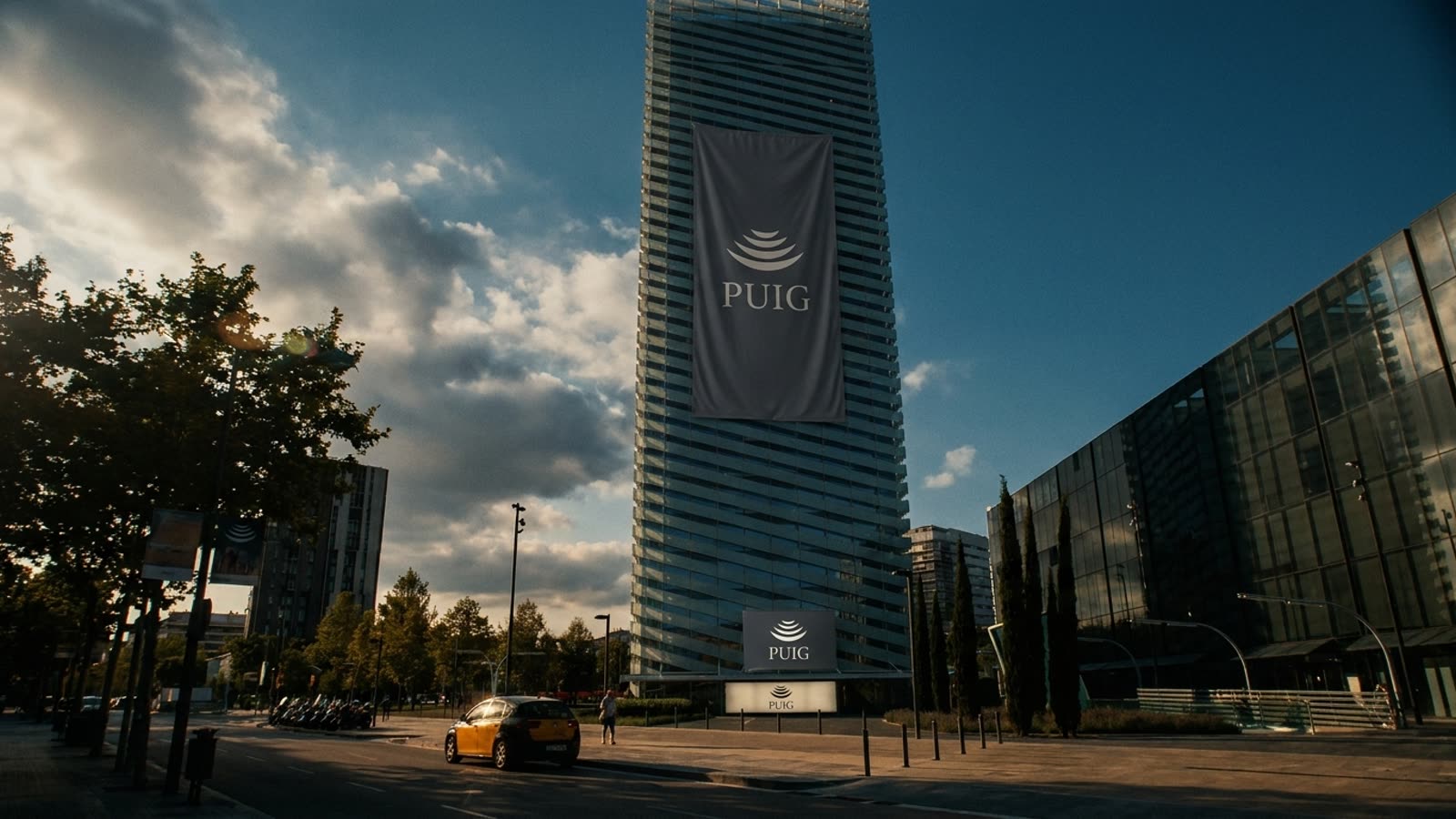
The numbers tell one story. Spain ranks among Europe's top cosmetics exporters, with fragrance houses like Puig—owner of Paco Rabanne, Jean Paul Gaultier, and Carolina Herrera—commanding serious market share in prestige perfumery. Spanish contract manufacturers produce formulations for brands that would never admit to outsourcing. Yet ask the average beauty consumer to name a Spanish skincare brand, and you'll likely get a blank stare.
The infrastructure without the narrative
Spain's beauty industry suffers from what might be called a storytelling deficit. Korea built an entire mythology around glass skin and ten-step routines. France weaponized its association with luxury and art de vivre. Spain, meanwhile, has the research facilities, the manufacturing base, and the formulation expertise—but not the cultural shorthand that turns products into phenomena.
This matters because beauty is as much about aspiration as efficacy. Consumers don't just buy serums; they buy into narratives about who they might become. Spanish brands have historically been reluctant to mythologize themselves, preferring to let ingredients speak for themselves. In an attention economy, that modesty is a liability.
What's changing now
Several forces are converging to shift the calculus. First, ingredient transparency has become a genuine selling point rather than a niche concern. Spanish brands' long-standing emphasis on formulation over marketing suddenly looks prescient rather than provincial. Second, the backlash against K-beauty's occasionally gimmicky excesses has created appetite for something more restrained. Third, and perhaps most significantly, consolidation in the prestige beauty space has made Spanish expertise more visible—when a conglomerate acquires a heritage fragrance house, the supply chain gets scrutinized.
Younger Spanish founders are also approaching the market differently than their predecessors. They've absorbed the lessons of direct-to-consumer brands and understand that Instagram aesthetics and founder narratives aren't superficial—they're infrastructure. A new generation of Barcelona and Madrid-based skincare lines are launching with the visual language and storytelling sophistication that earlier Spanish brands lacked.
Our take
Spanish beauty's moment, if it arrives, won't look like K-beauty's explosive global takeover. It will be slower, more diffuse, built on the gradual recognition that the country has been doing the hard work of formulation while others did the easier work of branding. Whether that translates into household names or merely better margins for contract manufacturers remains the open question. But the gap between Spain's capabilities and its recognition is too wide to persist indefinitely. The smart money is on correction.