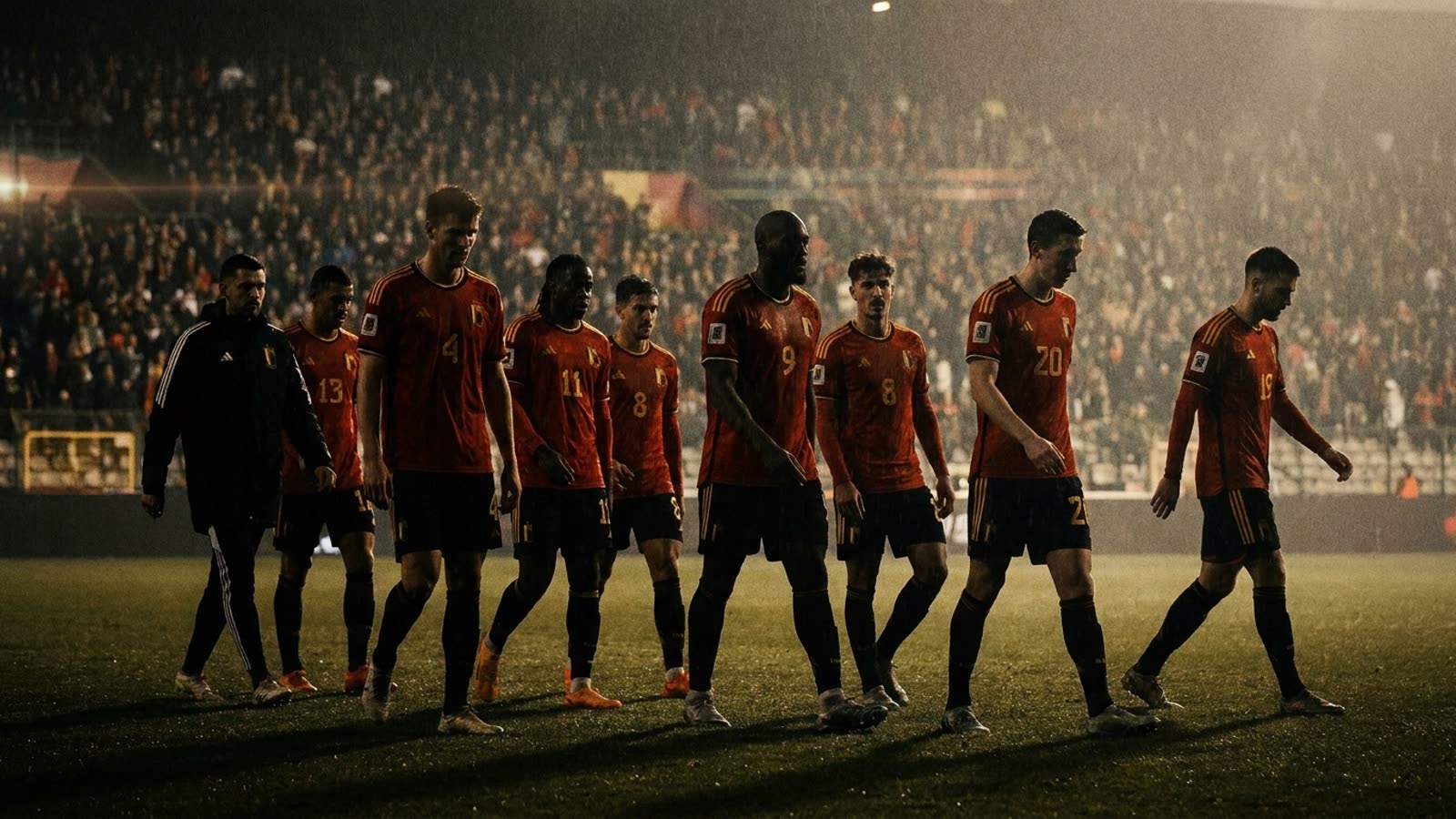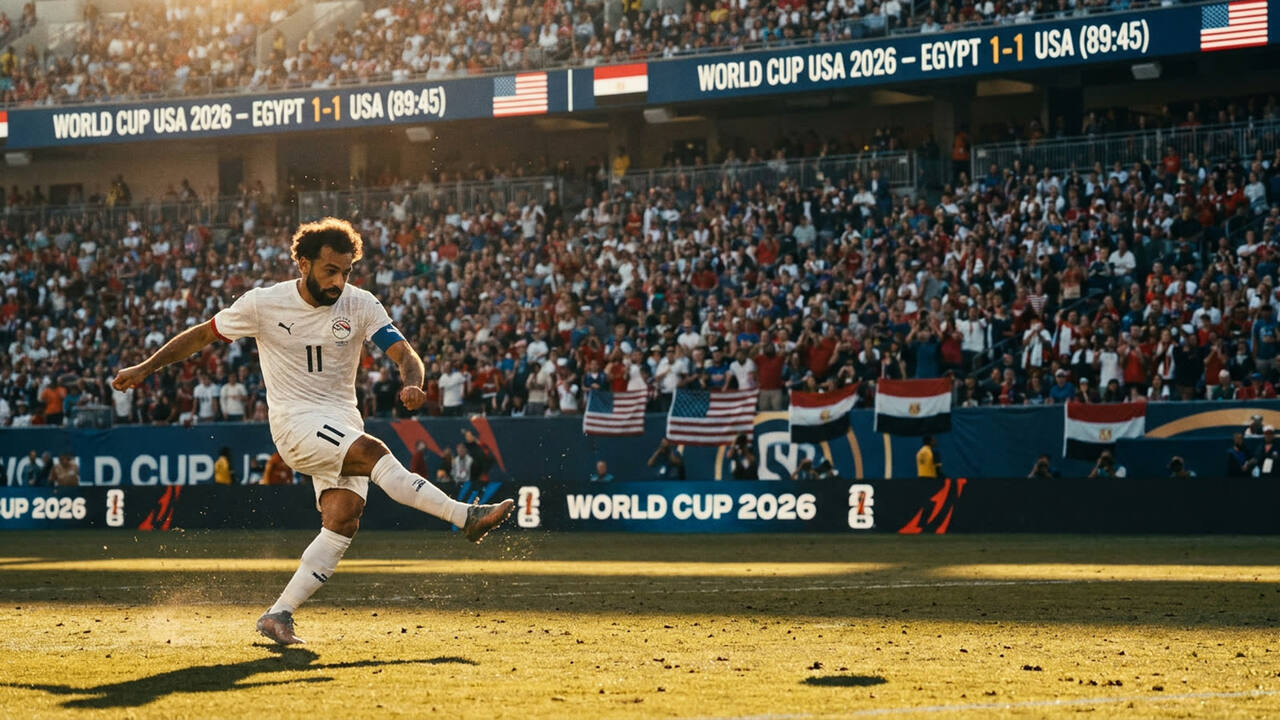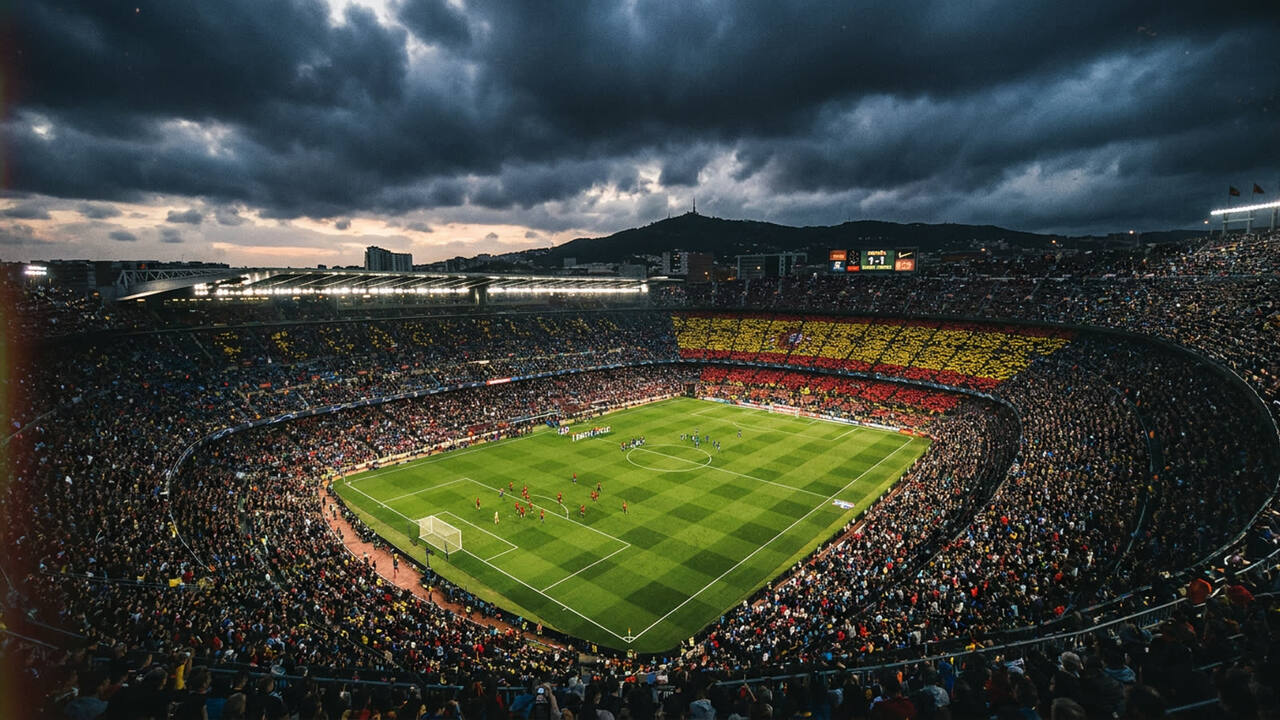
The script was supposed to be simple: Spain, reigning European champions and consensus favorites to lift the trophy in Dallas, would dispatch tiny Cape Verde in their Group C opener and begin their march toward immortality. Instead, the Spanish walked off the pitch in Atlanta having surrendered two points to a nation of 600,000 people making its first World Cup appearance—a result that will echo through the tournament's remaining weeks.
The draw wasn't a fluke born of a single goalkeeping howler or a phantom penalty. Cape Verde defended with discipline, attacked with purpose, and treated Spain's vaunted midfield with the respect it deserves but not the fear it demands. For ninety minutes, the island nation looked like they belonged.
The tactical story
Spain's problem wasn't possession—they had plenty of it. The problem was what they did with it. Luis de la Fuente's side moved the ball laterally with metronomic patience, but Cape Verde's compact 5-4-1 block refused to break. When Spain did find gaps, their final ball lacked conviction. Lamine Yamal, the teenage sensation who lit up Euro 2024, was closely marked and rarely found the pockets of space where he does his damage.
Cape Verde, meanwhile, executed their counterattacking plan with precision. Their goal—a sweeping move finished with composure—was the product of design, not desperation. Manager Bubista, a former Portuguese lower-league midfielder, has clearly studied Spain's high defensive line and found the seams.
The broader implications
For Spain, this is a wake-up call rather than a catastrophe. They remain heavy favorites to advance from Group C, and a single draw rarely derails a genuine contender. But the performance revealed a lack of cutting edge that opposing coaches will study. The knockout rounds offer no margin for these kinds of afternoons.
For Cape Verde, the draw is already historic. They become the smallest nation by population to take points off a reigning continental champion at a World Cup. Their fans—thousands of whom made the journey from the Atlantic archipelago—celebrated in Atlanta as if they'd won the whole tournament. In a sense, they had won something: proof that their qualification wasn't a clerical error but a genuine arrival.
Our take
This is why the World Cup remains the greatest show in sports. Spain will almost certainly recover, advance, and contend. But for one June evening in Georgia, the hierarchy inverted, and a country most viewers couldn't locate on a map played the beautiful game beautifully. The tournament needed a shock to announce itself. It got one.