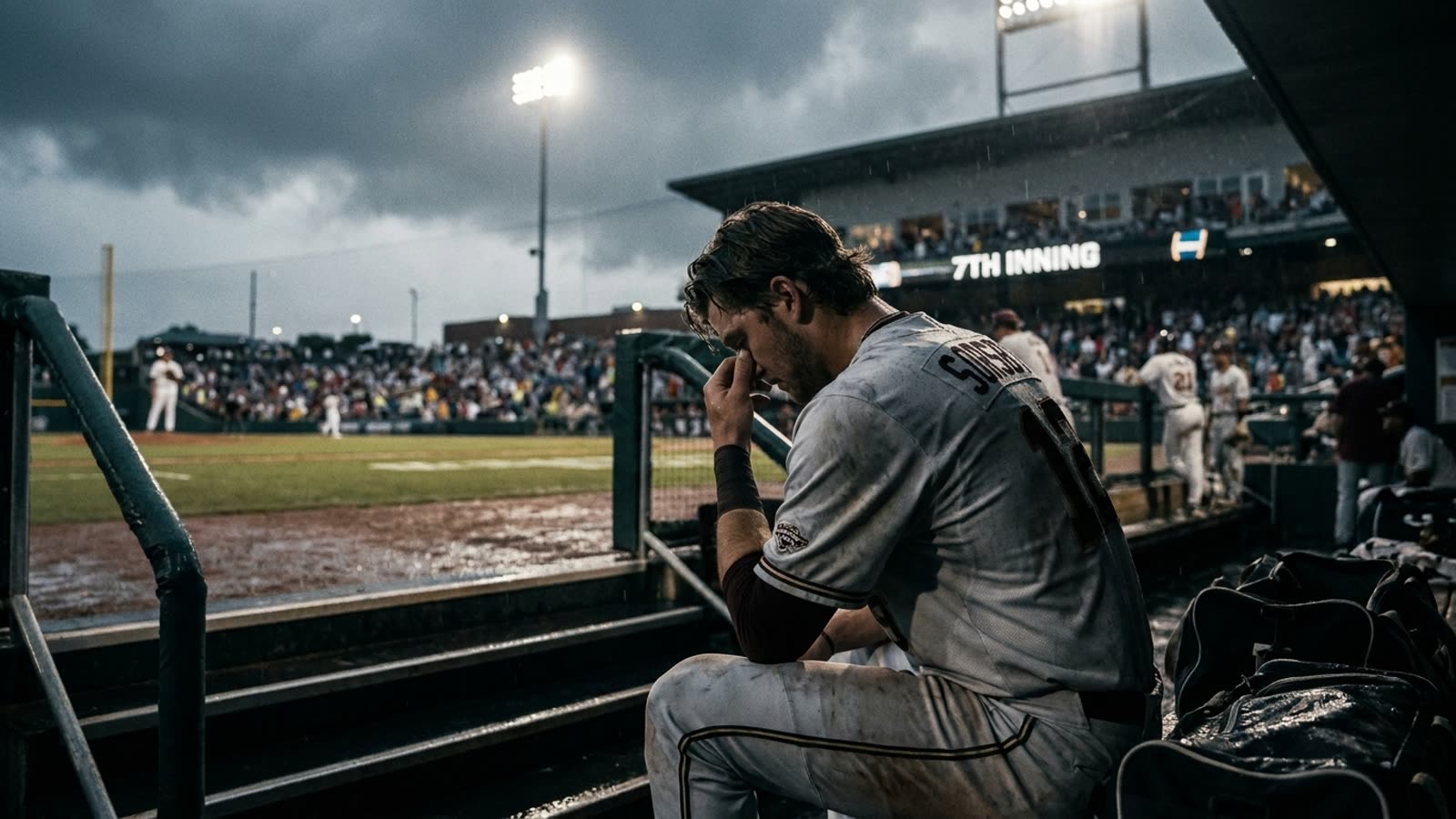
Micah Sorsby did everything right. He pitched well, transferred strategically, and navigated the labyrinthine NCAA eligibility system with the diligence of a tax attorney. And yet, his college career is over — not because of injury, not because of performance, but because the math finally caught up with him.
The NCAA's eligibility framework, a Rube Goldberg machine of clock years, competition years, COVID waivers, and transfer exemptions, has claimed another career. Sorsby's case is not unique, but it is instructive: a reminder that college athletics operates under rules so complex that even the athletes subject to them often cannot predict when their time will expire.
The eligibility labyrinth
Understanding why Sorsby's career ended requires a brief tour through NCAA bureaucracy. Athletes receive five years to complete four seasons of competition — the so-called "five-year clock." The pandemic added a wrinkle: the 2020 and 2021 seasons offered blanket eligibility freezes, meaning those years didn't count against competition limits for many athletes. But the clock kept ticking for others, depending on when they enrolled, whether they competed, and which waivers they applied for.
Sorsby, like hundreds of athletes who entered college around 2020-2021, found himself in a gray zone. The combination of transfer rules, redshirt years, and COVID exemptions created a patchwork of eligibility that varied athlete to athlete. Some players discovered they had an extra year; others, like Sorsby, discovered they had fewer than expected.
The NCAA has made efforts to simplify — the one-time transfer exemption, implemented in 2021, was supposed to reduce red tape. Instead, it added another variable to an already overloaded equation.
Why this keeps happening
Sorsby's situation exposes a structural problem: the NCAA's eligibility rules were designed for a different era, one where athletes enrolled as freshmen, stayed four years, and graduated. The modern reality — rampant transfers, NIL deals, professional opportunities, and pandemic disruptions — has rendered the old framework nearly incoherent.
Athletes now make decisions with incomplete information. Compliance offices, understaffed and overwhelmed, sometimes provide guidance that proves incorrect. And the NCAA itself has been slow to issue definitive rulings, leaving athletes to discover their eligibility status only when it's too late to adjust.
The cruelty is quiet. There's no dramatic moment, no villain. Just a spreadsheet that says your time is up.
Our take
Micah Sorsby deserved better, and so do the hundreds of athletes navigating this same maze. The NCAA's eligibility system has become so convoluted that compliance is a full-time job — one that athletes, who are ostensibly students first, should not have to perform. The pandemic-era waivers were a necessary improvisation, but five years later, the patchwork remains. If the NCAA wants to maintain any pretense of amateurism, it should at least make the rules comprehensible to the amateurs playing under them.