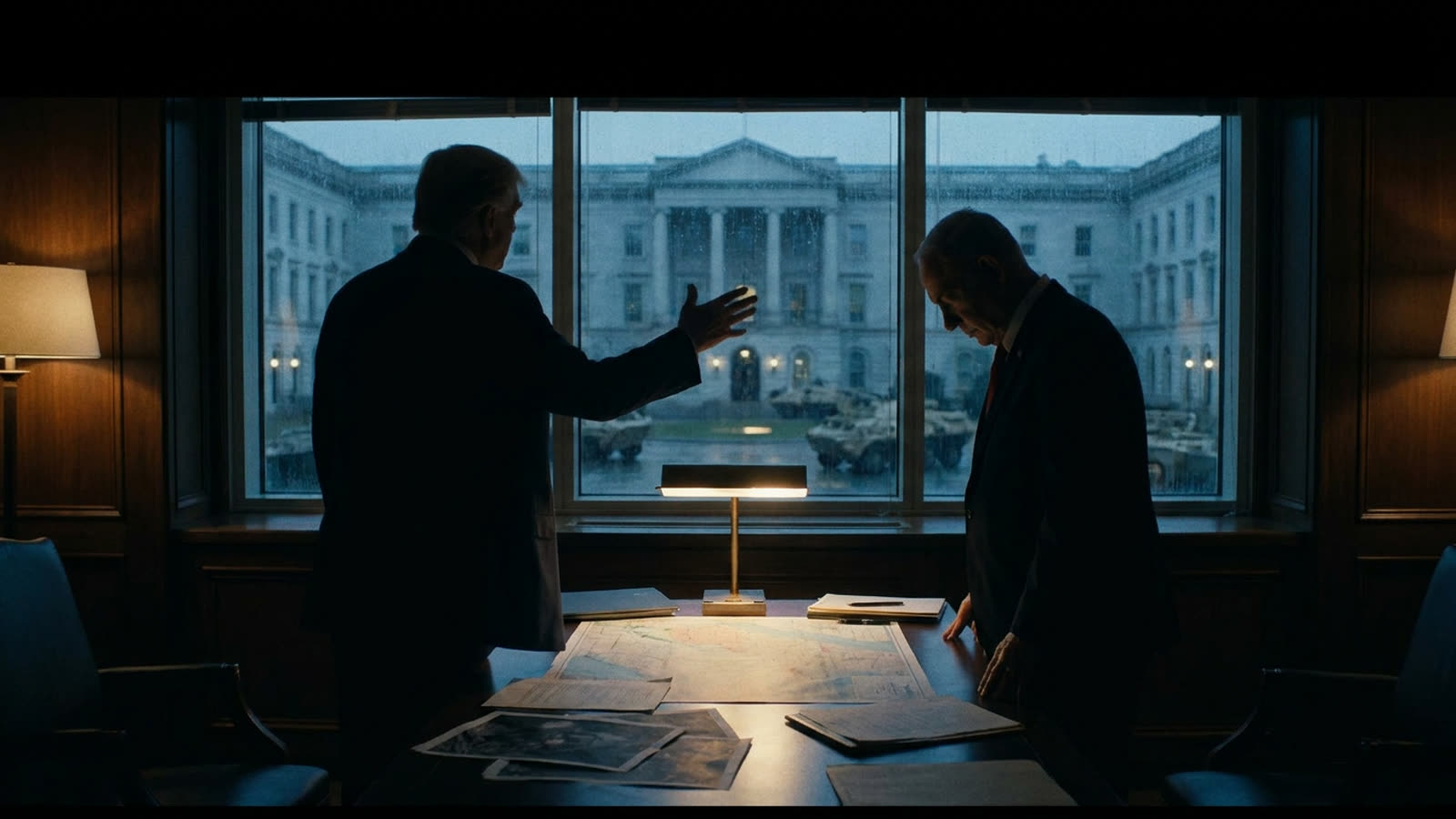
The president who built his political brand on dealmaking now faces the most consequential negotiation of his second term—not with Tehran, but with his own Senate caucus.
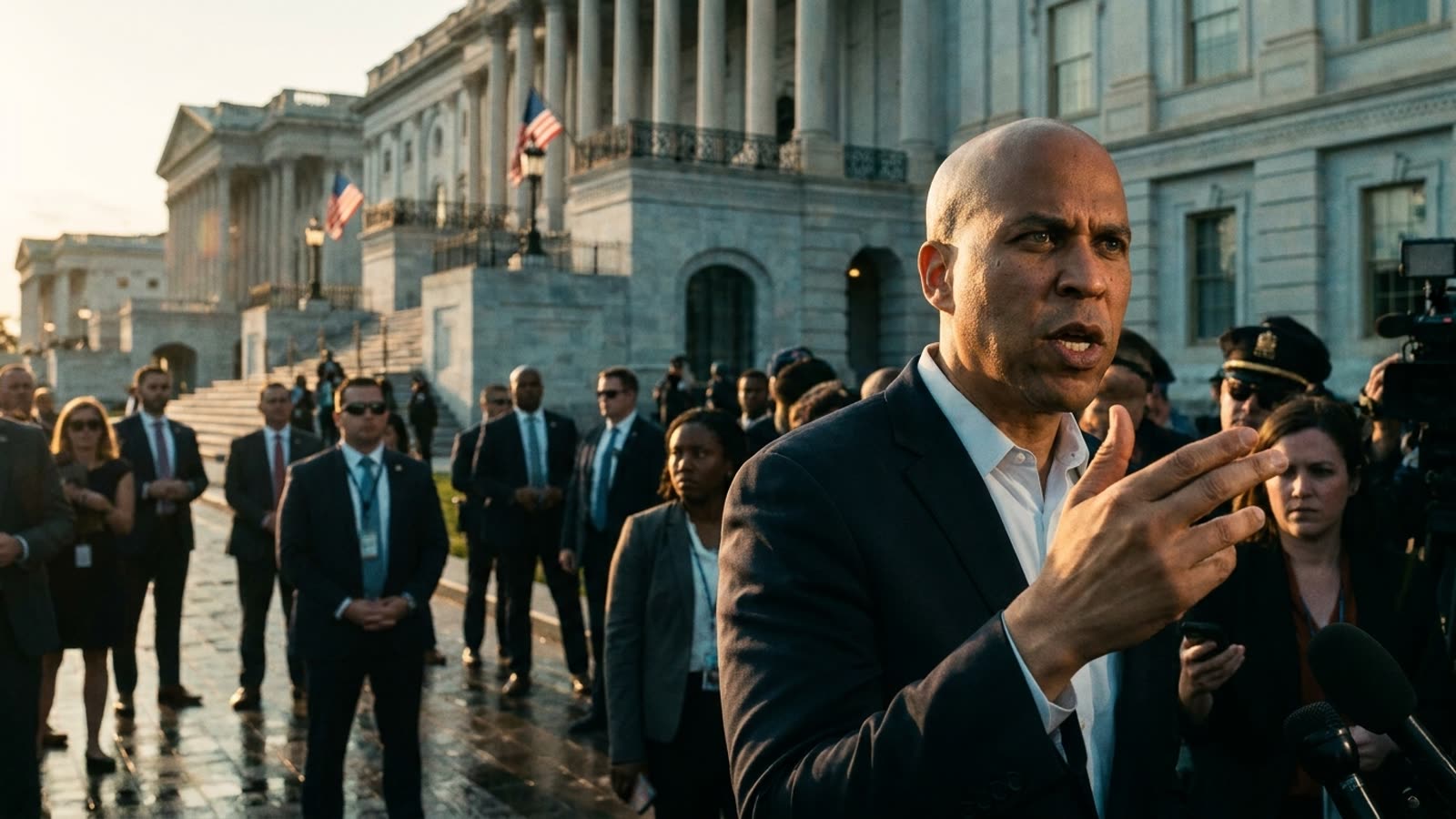
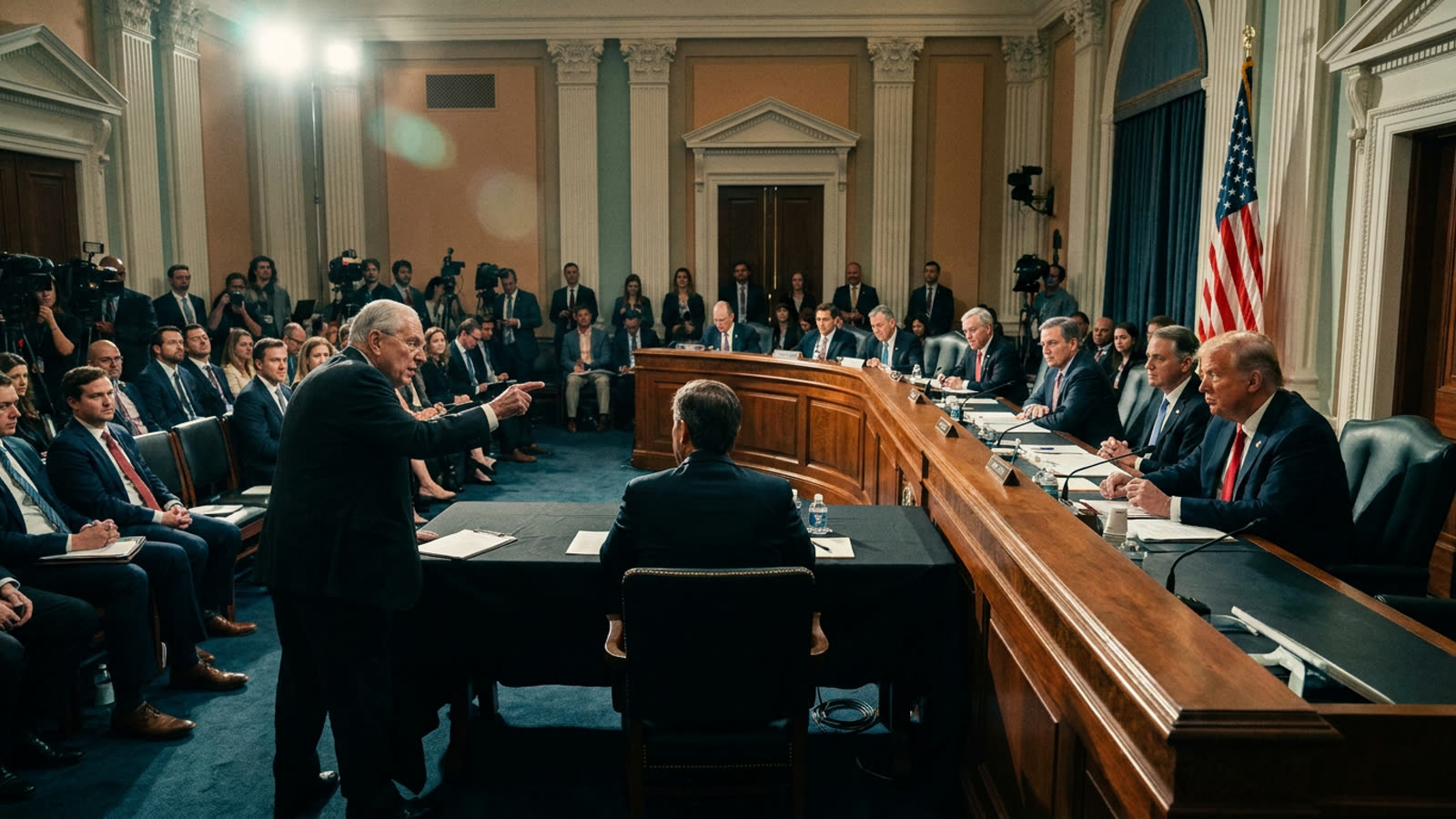
Senate Republicans emerged from classified briefings this week openly skeptical that any agreement emerging from the Trump administration's back-channel talks with Iran would meet their threshold for acceptable terms. The dissent is remarkable not for its existence but for its volume: senior members of the Foreign Relations and Armed Services committees are speaking on the record, a breach of the usual deference afforded a wartime president from his own party.
The verification problem
At the core of Republican concerns is the question of enforcement. Any deal that allows Iran to retain enrichment capacity—even at reduced levels—strikes hawks as a repetition of the 2015 JCPOA that Trump himself campaigned against. Senator Lindsey Graham called the emerging framework "JCPOA 2.0 with better PR," while Tom Cotton suggested the administration was "negotiating with itself" by floating concessions before Iran had made meaningful commitments.
The verification mechanisms reportedly under discussion would rely heavily on IAEA inspections, a framework that critics argue failed to detect Iranian cheating in the past. Republican senators want snap-back sanctions with automatic triggers, military access to suspected sites, and—most contentiously—some form of regime acknowledgment of its nuclear weapons program. Tehran has shown no willingness to provide any of these.
The political math
Treaty ratification requires 67 Senate votes, meaning Trump would need at least a dozen Democrats even if he held every Republican. That arithmetic looked manageable when the war began; it looks nearly impossible now. Democrats who might have supported a genuine diplomatic off-ramp have hardened their positions after three months of military operations they opposed from the start. They're unlikely to hand Trump a foreign policy victory without extracting domestic concessions he won't give.
Meanwhile, the Republican defectors aren't marginal figures. They represent the party's national security establishment—the same senators who confirmed Trump's defense and intelligence nominees and authorized the military action now underway. Their opposition isn't performative; it reflects genuine alarm that the administration is seeking an exit before achieving the war's stated objectives.
The clock problem
The administration's urgency is itself a source of suspicion. Three months into a conflict that was sold as a decisive action to eliminate Iran's nuclear threat, the pivot to diplomacy suggests either that the military campaign has achieved its goals or that it hasn't and won't. Hawks believe the latter. They see a president who underestimated the difficulty of the operation now scrambling to declare victory and withdraw before the 2026 midterms.
That political calendar constrains Trump's options. A deal announced this summer would face ratification votes in the fall, precisely when Republican senators are least willing to break with their base. The president could pursue an executive agreement rather than a treaty, but that would invite the same criticism he leveled at Obama's Iran deal—and would be reversible by any successor.
Our take
Trump built a presidency on the conviction that he alone could negotiate what others couldn't. Iran was supposed to be the proof of concept: maximum pressure followed by a better deal. Instead, he's discovering what his predecessors learned—that the Islamic Republic doesn't negotiate like a real estate developer, and that the American political system makes sustained foreign policy nearly impossible. The Senate Republicans now drawing red lines aren't sabotaging their president; they're holding him to his own standard. Whether that standard was ever achievable is a question the administration should have answered before the first missiles flew.