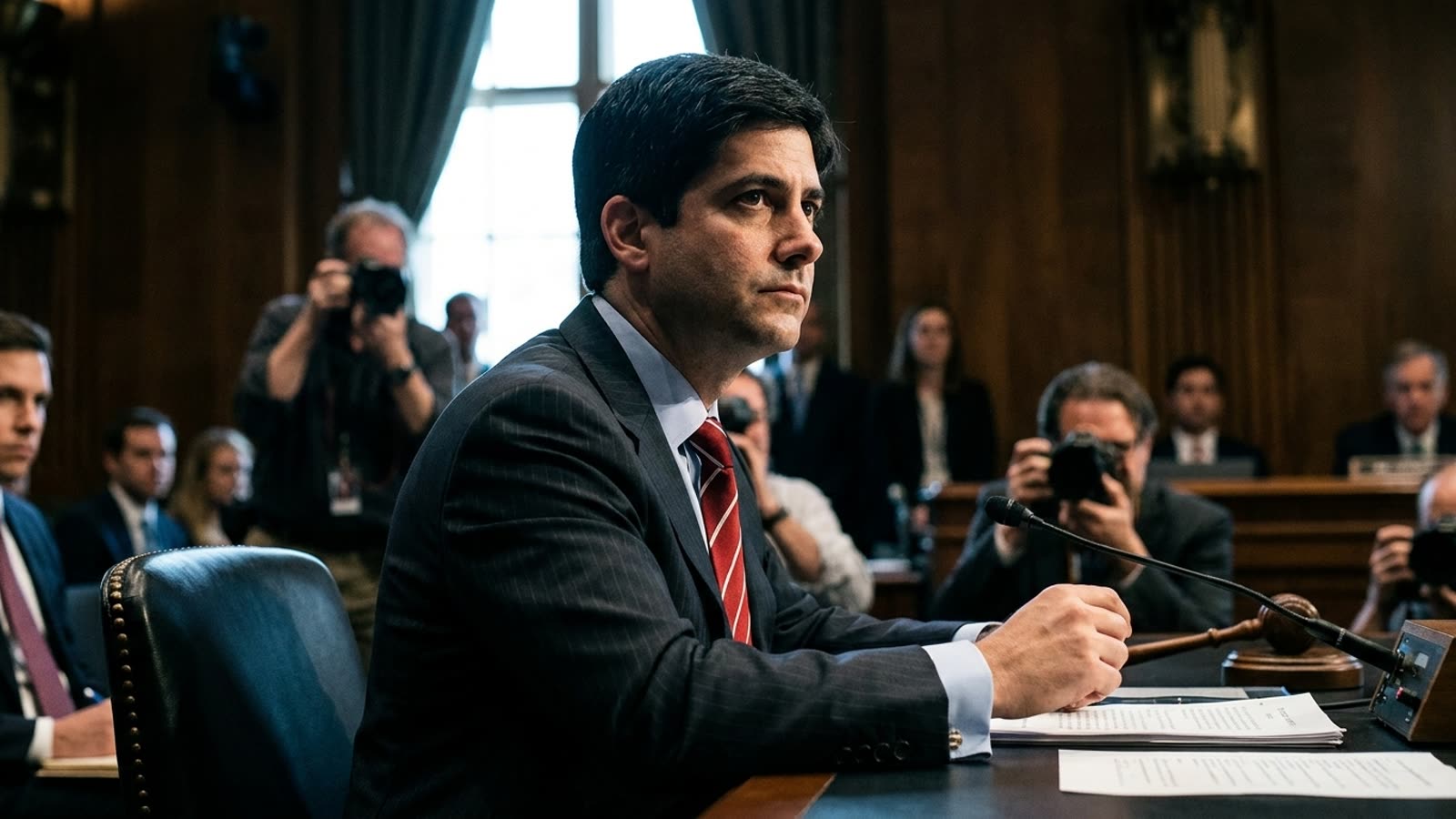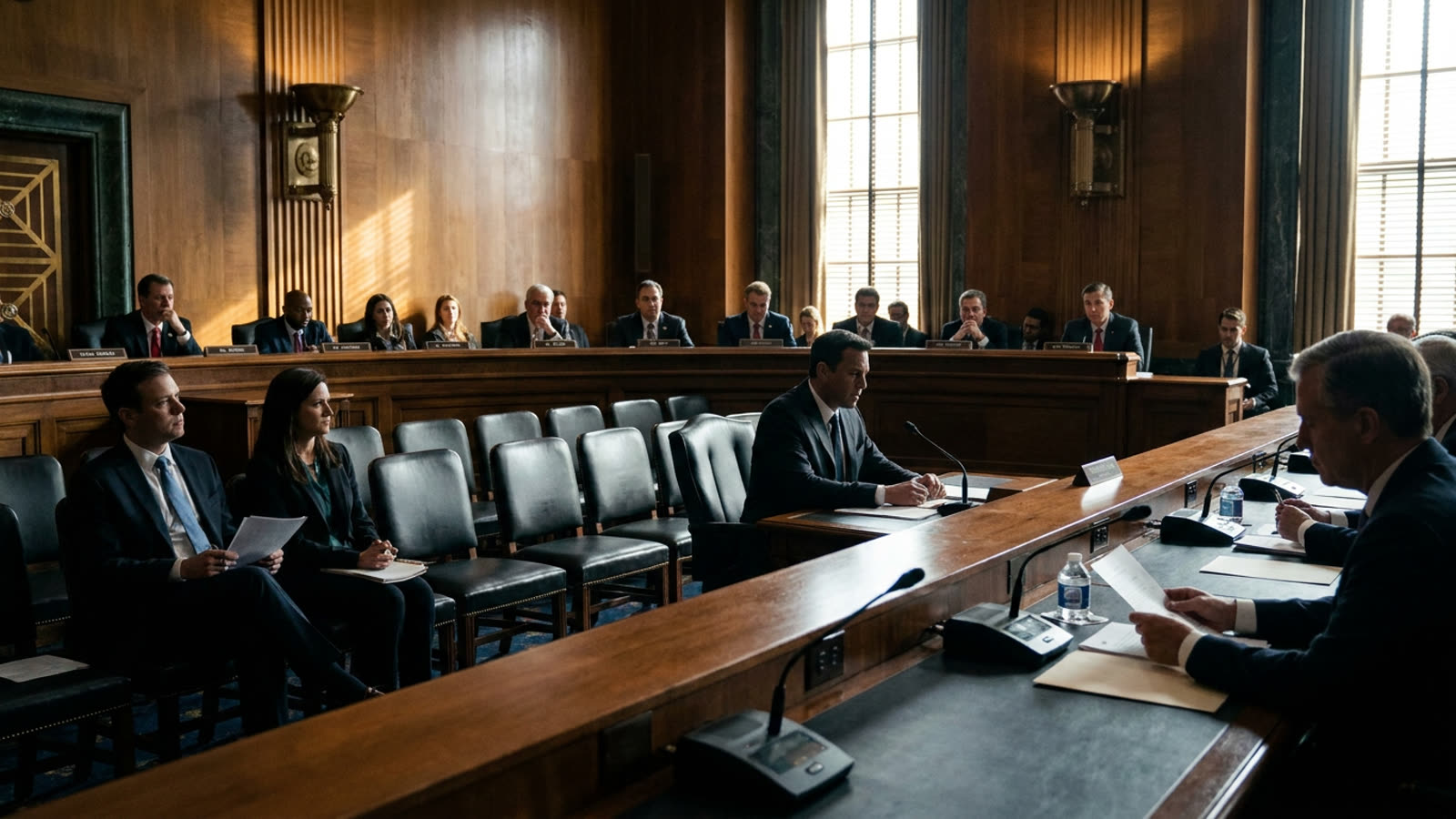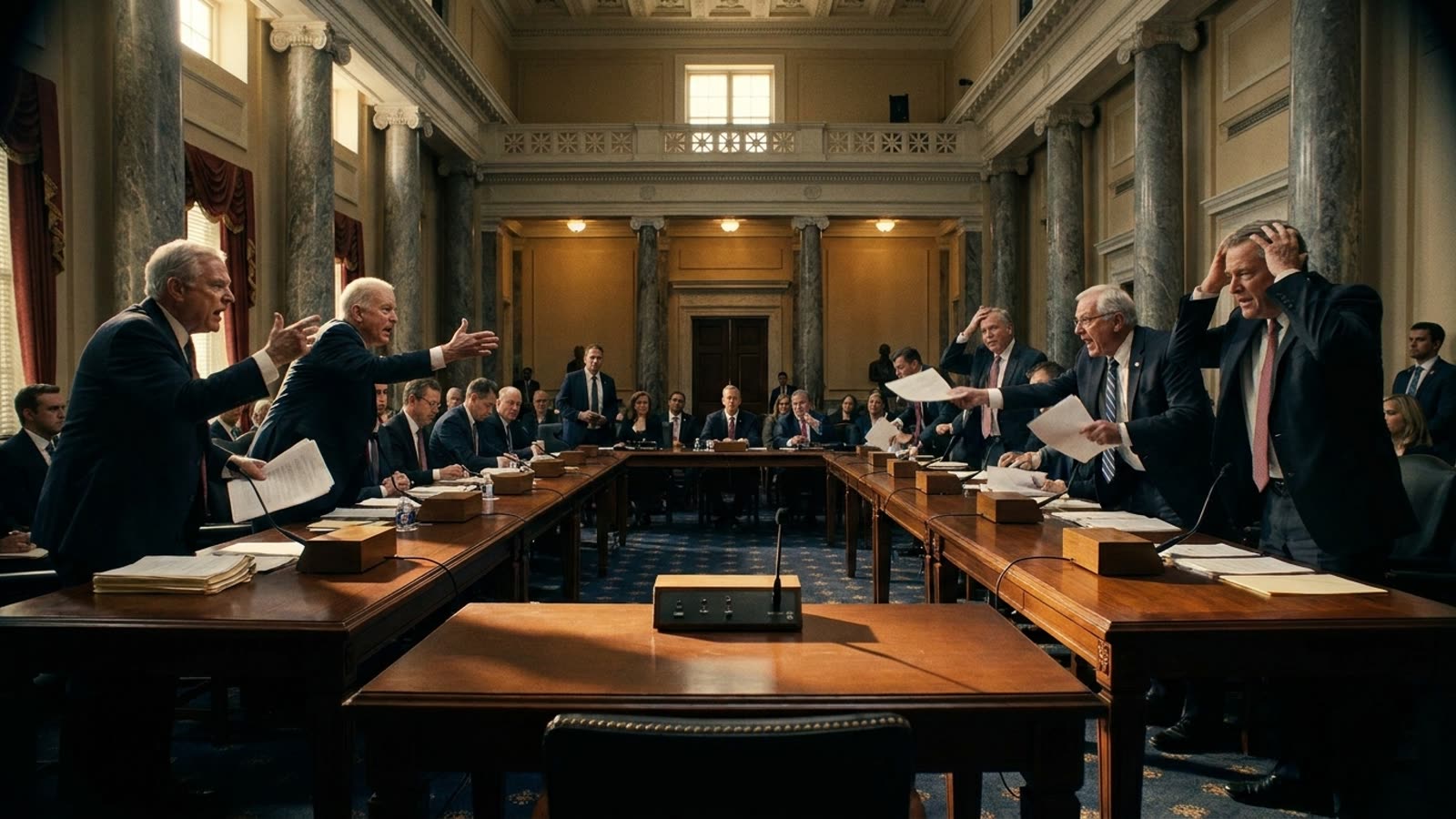
The Republican Senate majority, ostensibly in control of the chamber and aligned with a president of their own party, has just delivered one of the most spectacular displays of internal dysfunction in recent memory. What began as a routine budget negotiation over immigration enforcement funding metastasized into a full-scale revolt over Donald Trump's proposed Anti-Weaponization Fund—a mechanism designed to shield allies from what the administration characterizes as politically motivated prosecutions.
The result: a collapsed immigration package, a conference in open warfare, and a legislative calendar that now resembles a crime scene.
The fund that broke the camel's back
The Anti-Weaponization Fund, tucked into the broader budget reconciliation package, would allocate federal resources to cover legal fees and potential settlements for individuals targeted by investigations the administration deems partisan. The mechanism is unprecedented in scope, effectively creating a taxpayer-funded insurance policy for presidential allies facing legal scrutiny.
For a faction of Senate Republicans—reportedly including at least a dozen members who have grown increasingly uncomfortable with executive overreach—this was a bridge too far. The constitutional implications are staggering: Congress would be appropriating funds specifically to neutralize the consequences of federal law enforcement actions, a maneuver that sits uneasily with separation-of-powers principles that even the most Trump-loyal constitutionalists have historically defended.
The revolt was not ideological theater. These senators threatened to tank the entire reconciliation package unless the fund was either removed or substantially modified. Leadership, caught between an insistent White House and a fractured caucus, attempted to negotiate. Those negotiations failed.
Immigration becomes the casualty
The immigration enforcement provisions—border security funding, expanded detention capacity, and accelerated deportation procedures—were broadly popular within the conference. They were also the legislative priority that Republican senators had promised their constituents for years. But because the Anti-Weaponization Fund was embedded in the same reconciliation vehicle, the immigration measures died alongside it.
This is the governing equivalent of setting your house on fire because you couldn't agree on the color of the curtains. The policy substance was never the problem. The problem was a president who views legislative vehicles primarily as delivery mechanisms for personal legal insulation, and a Senate leadership too weak to tell him no.
The chamber has now entered a recess with nothing resolved. Members have scattered to their home states, leaving behind a smoking crater where a major legislative achievement was supposed to be.
Our take
What happened in the Senate this week is not a story about immigration policy or even about Trump's legal exposure. It is a story about a political party that has lost the capacity to govern itself. The Republican conference controls the Senate, the House, and the White House—a trifecta that should produce legislative output with mechanical efficiency. Instead, it has produced chaos, recrimination, and a recess that looks suspiciously like retreat. The Anti-Weaponization Fund may or may not survive in some future form, but the damage to Republican credibility as a governing coalition is already done. You cannot claim to be the party of law and order while appropriating funds to circumvent it.