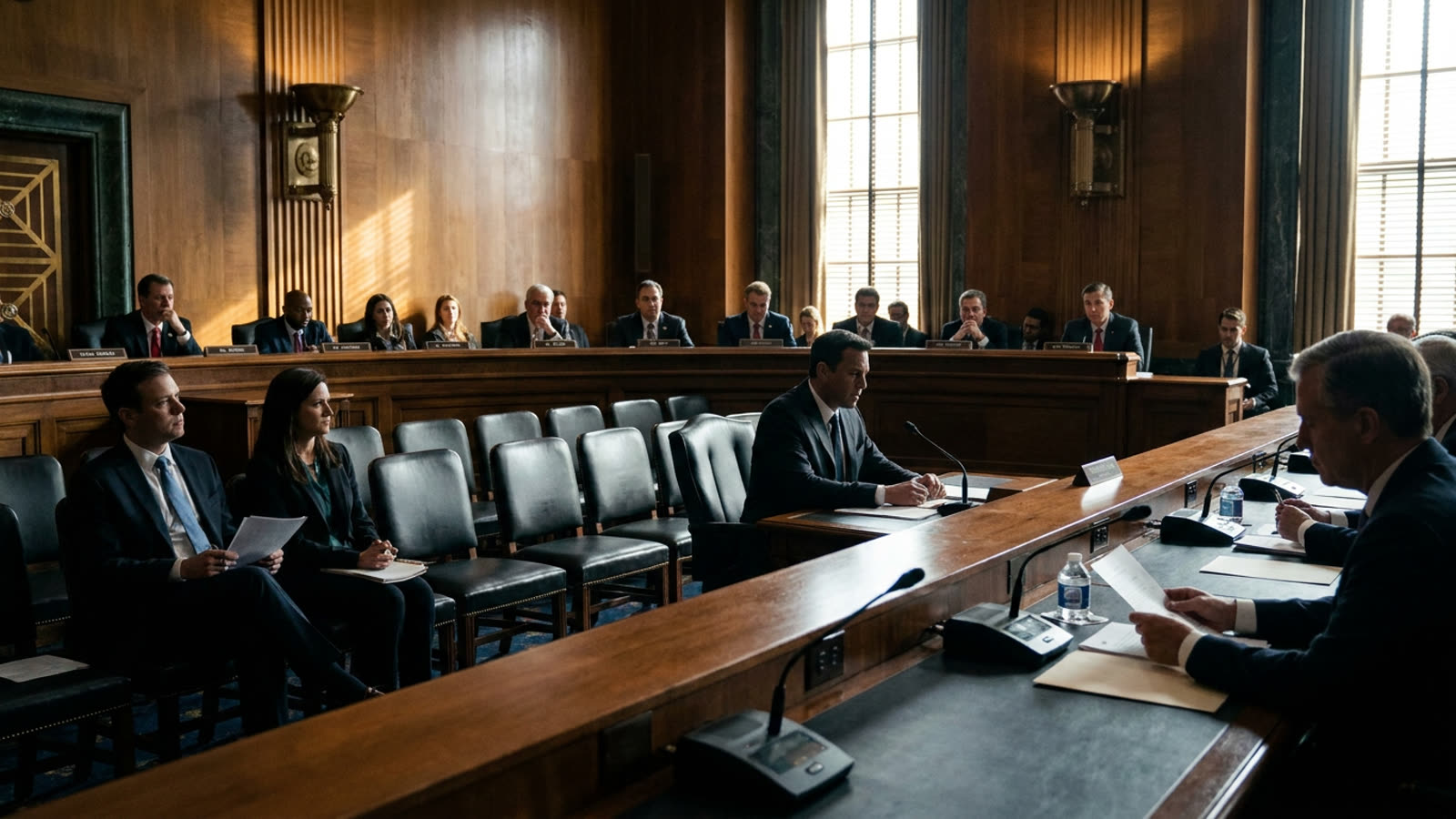
The Republican Senate majority came to Washington promising two things: a border crackdown and tax relief. On Thursday, they discovered these promises are mutually exclusive.
Senate Republicans abandoned a planned vote on funding for President Trump's immigration enforcement expansion after members of their own caucus refused to support the measure. The official explanation involves procedural concerns and timing. The actual problem is arithmetic.
The numbers don't work
Trump's immigration agenda requires substantial new spending: detention facilities, deportation operations, border personnel, and the controversial "anti-weaponization" fund that has already sparked a separate revolt within the party. Meanwhile, the same Republican senators are simultaneously negotiating a tax package that would extend the 2017 cuts and add new provisions. The Congressional Budget Office has made clear that doing both blows past any plausible deficit target.
Moderate Republicans from swing states face a particular bind. They cannot return home having voted for massive new spending without corresponding revenue, nor can they vote against border security in an election cycle where immigration polls as a top concern. The solution, apparently, is to vote for nothing at all.
A fracture, not a delay
Senate leadership is framing Thursday's collapse as a temporary postponement. This is optimistic. The underlying tension—between the party's law-and-order wing demanding immediate enforcement funding and its fiscal hawks insisting on budget neutrality—has no obvious resolution. Each faction believes the other should yield first.
The White House has not helped matters. Trump's simultaneous demands for immigration funding, tax cuts, defense increases, and his anti-weaponization initiative have left Republican appropriators with an impossible puzzle. Something must give, but no one wants to be the senator who publicly identifies what.
Our take
This is what happens when a political party promises everything and costs nothing. Republicans spent years attacking Democratic spending without specifying their own priorities; now in power, they're discovering that governing requires choices. The immigration crackdown may eventually pass in some form, but Thursday's meltdown revealed a party that hasn't decided what it actually wants to buy—only that it wants the receipt to show zero.