The Biden administration's plan to establish a strategic petroleum reserve on the West Coast was supposed to be a quiet piece of energy infrastructure policy — the kind of unglamorous preparedness measure that rarely makes headlines. Instead, it has become a flashpoint that reveals just how fragile the Democratic coalition on energy has become.
Senate Democrats from California, Oregon, and Washington are now openly opposing the proposal, arguing that building new oil storage infrastructure contradicts the party's climate commitments. The pushback is significant enough that the administration may need to court Republican votes to advance the plan — an awkward position for a White House that has spent years positioning itself as the climate-action party.
The strategic logic
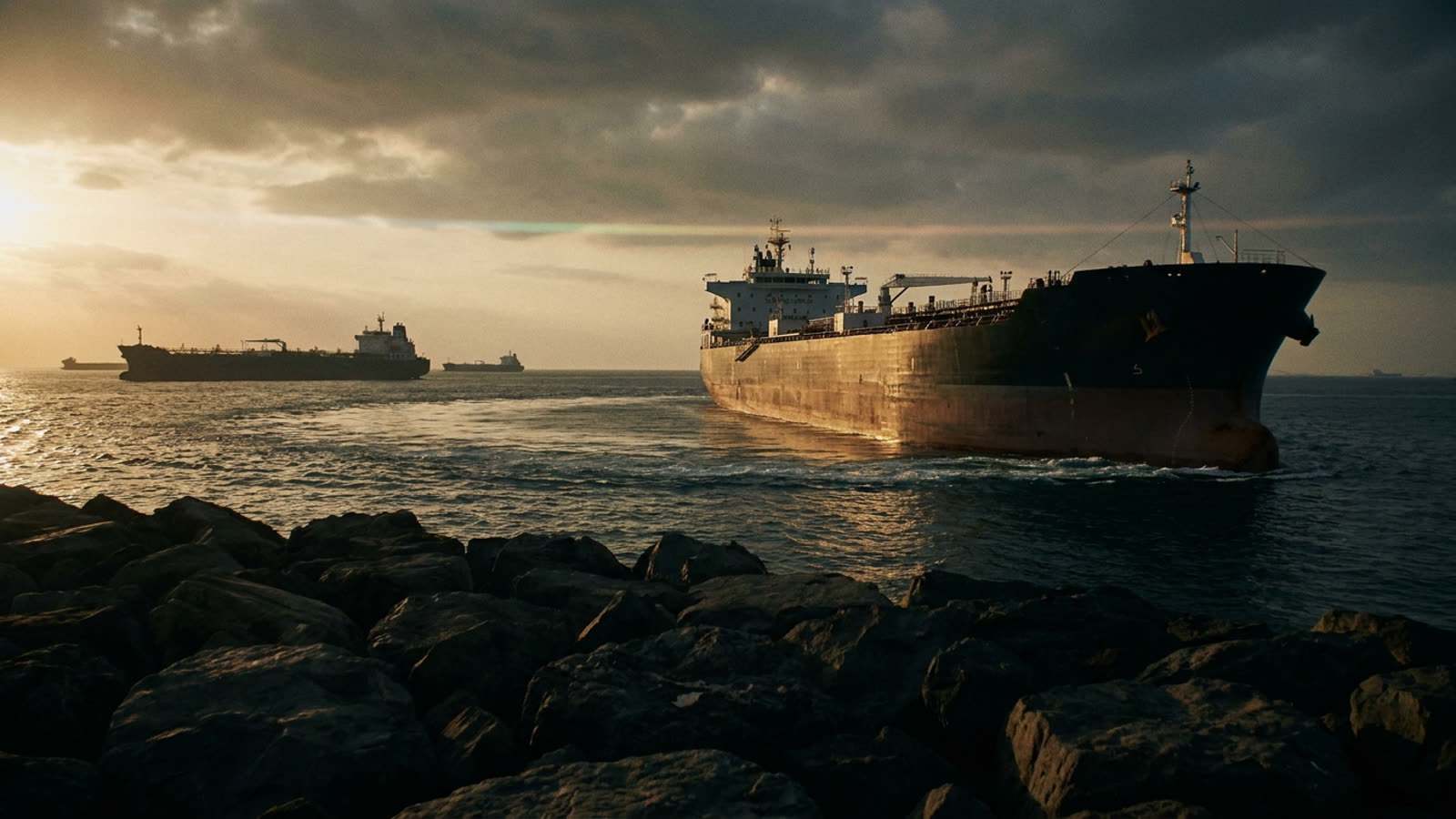
The case for a West Coast reserve is straightforward. The existing Strategic Petroleum Reserve is concentrated along the Gulf Coast, which means any major disruption to Pacific shipping lanes or West Coast refinery operations would leave the region vulnerable. With tensions in the Strait of Hormuz only recently easing and the broader Indo-Pacific security environment deteriorating, the administration views regional oil stockpiles as prudent risk management.
The proposal would establish storage facilities capable of holding several million barrels of crude, with release mechanisms designed for regional emergencies rather than national price interventions. Proponents argue this is basic energy security, not a statement about the long-term future of fossil fuels.
The climate calculus
Dissenting Democrats see it differently. For senators who have built their brands on aggressive climate action, voting to build new oil infrastructure — even storage rather than extraction — creates a messaging problem. Environmental groups have already begun framing the reserve as a betrayal of the Inflation Reduction Act's clean-energy ambitions.
The political math is particularly uncomfortable in California, where Senator Alex Padilla faces pressure from both the state's powerful environmental lobby and its equally powerful refinery workforce. The state's unique gasoline market, which regularly experiences price spikes due to supply constraints, arguably makes the case for regional reserves stronger — but that argument cuts against the narrative that California should be leading the transition away from petroleum entirely.
The broader fracture
This fight is a preview of tensions that will intensify as the energy transition proceeds unevenly. The administration has tried to thread the needle between climate ambition and energy security, but that balance requires accepting that oil and gas will remain significant for decades. Some Democratic constituencies are unwilling to accept that premise, even implicitly.
The White House may ultimately prevail by assembling a bipartisan coalition, but the optics of passing energy legislation over the objections of the party's environmental wing would be notable. It would also provide Republicans with a useful talking point: that Democrats' climate commitments are performative when they conflict with practical governance.
Our take
The Senate Democrats opposing this reserve are making a symbolic stand that prioritizes narrative purity over regional resilience. Building oil storage is not drilling; it is acknowledging that the transition will take time and that supply shocks hurt working families regardless of their carbon footprint. The administration is right to pursue this, and the dissenting senators should consider whether their constituents would prefer ideological consistency or affordable gasoline during the next supply crisis. Sometimes governing means accepting that the world you want is not yet the world you have.