The president has found a novel funding mechanism for his White House improvement projects: the budget of the agency responsible for keeping him alive.
Internal documents reviewed by multiple outlets show that millions of dollars originally allocated to the Secret Service have been redirected to cover construction and renovation work at the executive residence. The transfers, executed through administrative channels that bypassed congressional appropriations committees, represent an unusual assertion of executive control over security-agency budgets—and a remarkable willingness to treat protective resources as fungible with interior design.
The mechanics of the diversion
The redirected funds reportedly came from Secret Service operational accounts, including those designated for protective-detail logistics and facility maintenance at field offices. The money was moved to cover costs associated with ongoing White House construction projects, the scope and nature of which remain partially unclear. What is clear is that the transfers occurred without the typical congressional notification that accompanies significant budget reallocations within the Department of Homeland Security.
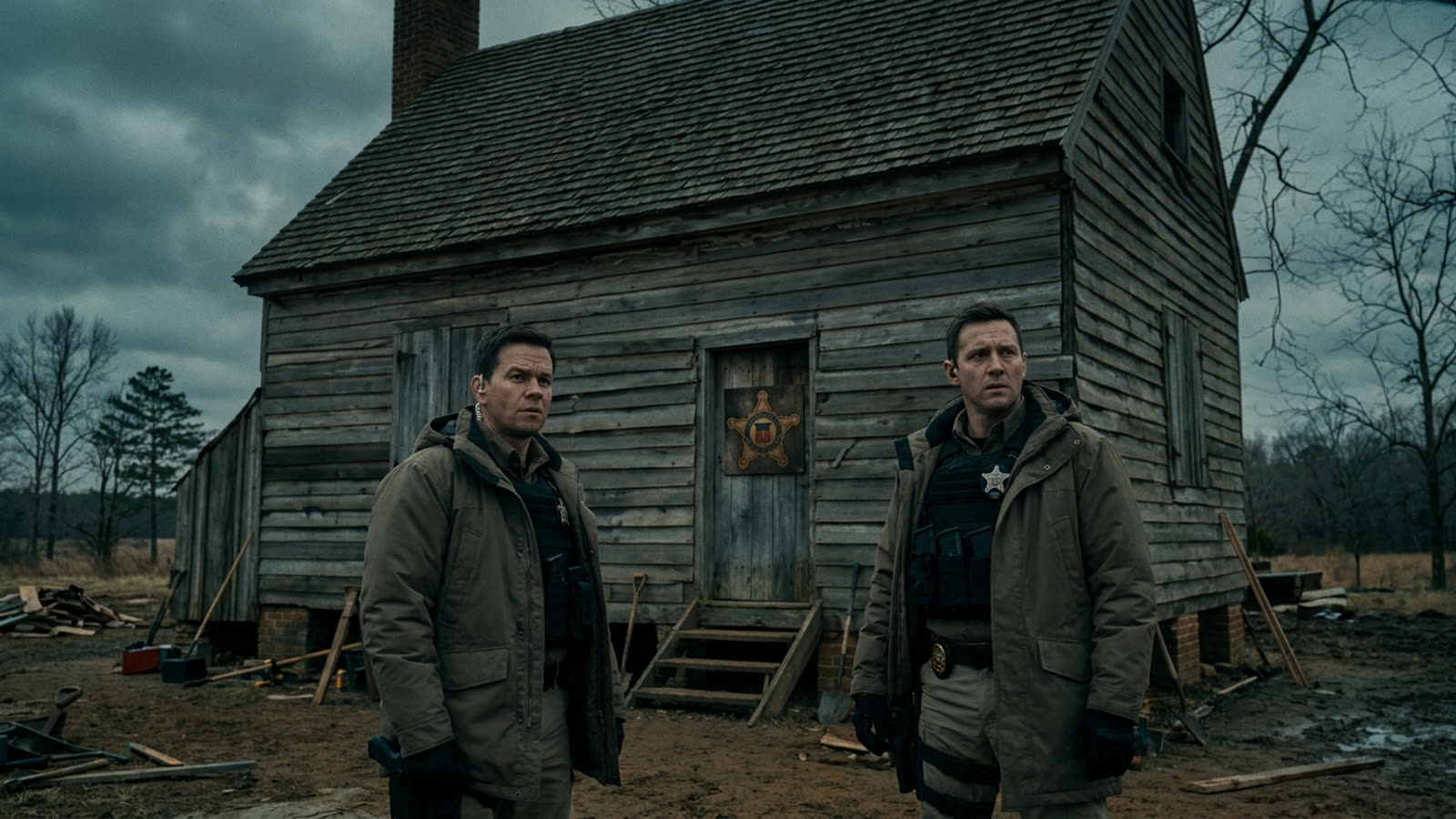
The Secret Service, which has struggled with recruitment and retention challenges for years, now faces the awkward reality that its own budget has become a piggy bank for presidential preferences. Agency officials have declined to comment publicly, though sources familiar with internal discussions describe frustration at career levels.
Legal and constitutional questions
The Constitution grants Congress the power of the purse, but presidents have historically enjoyed considerable discretion in moving funds within executive-branch accounts. The question is whether these particular transfers exceed that discretion—especially given that they involve an agency whose primary mission is protecting the president himself. There is something circular, and potentially problematic, about a president deciding that his personal comfort takes precedence over the resources dedicated to his own security.
Congressional Democrats have signaled interest in investigating, though Republican committee chairs have shown little appetite for oversight on this front. The Government Accountability Office may eventually weigh in on whether the transfers complied with appropriations law.
Our take
Every president redecorates. Few have the audacity to bill the Secret Service for it. The diversion is legally ambiguous, politically tone-deaf, and administratively revealing: it suggests a White House that views budget categories as suggestions and congressional intent as an inconvenience. Whether this rises to the level of an Impoundment Control Act violation or merely an aggressive reading of executive flexibility, it represents a president treating the machinery of his own protection as subordinate to his aesthetic preferences. That is a strange set of priorities, even by recent standards.