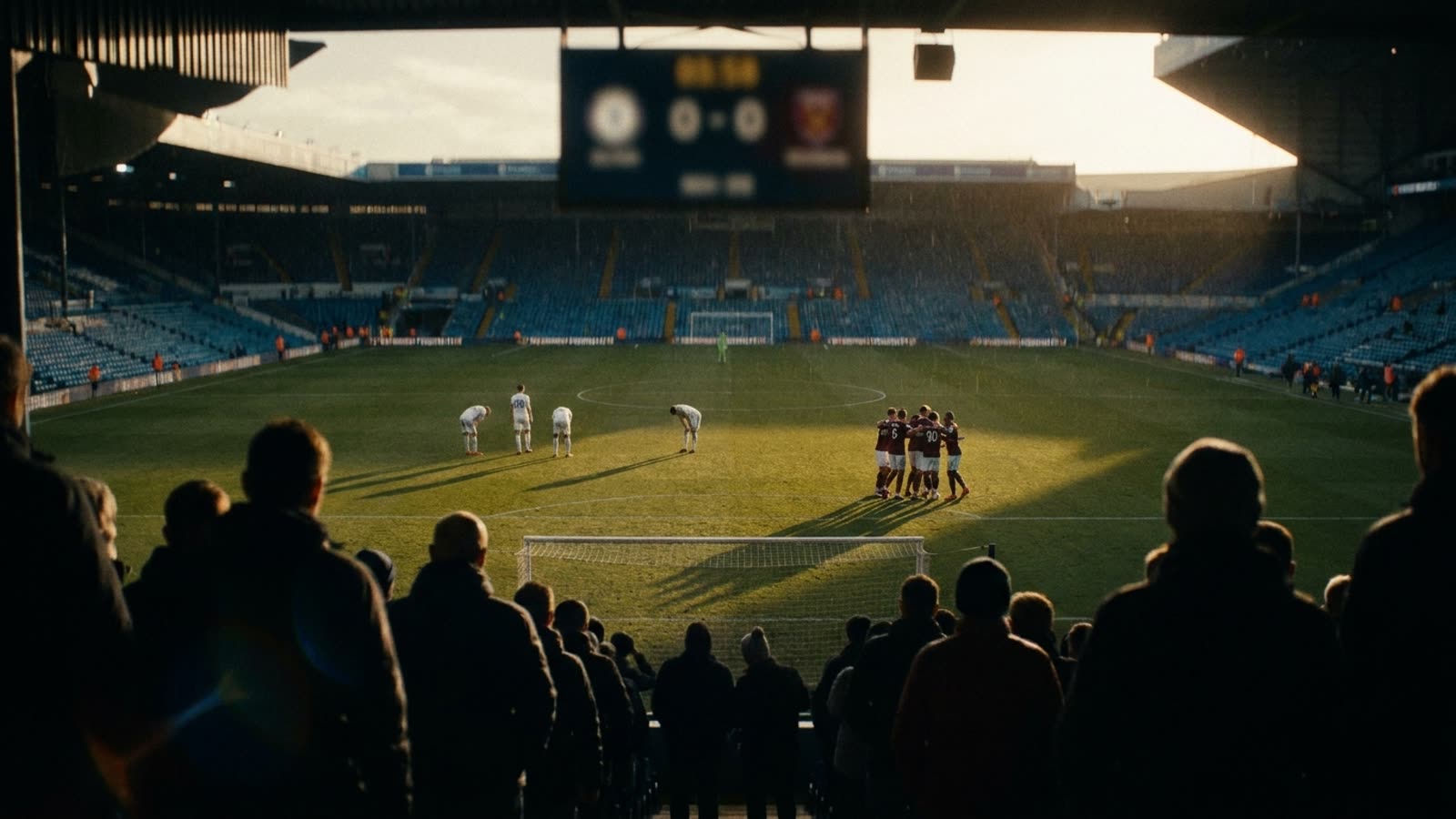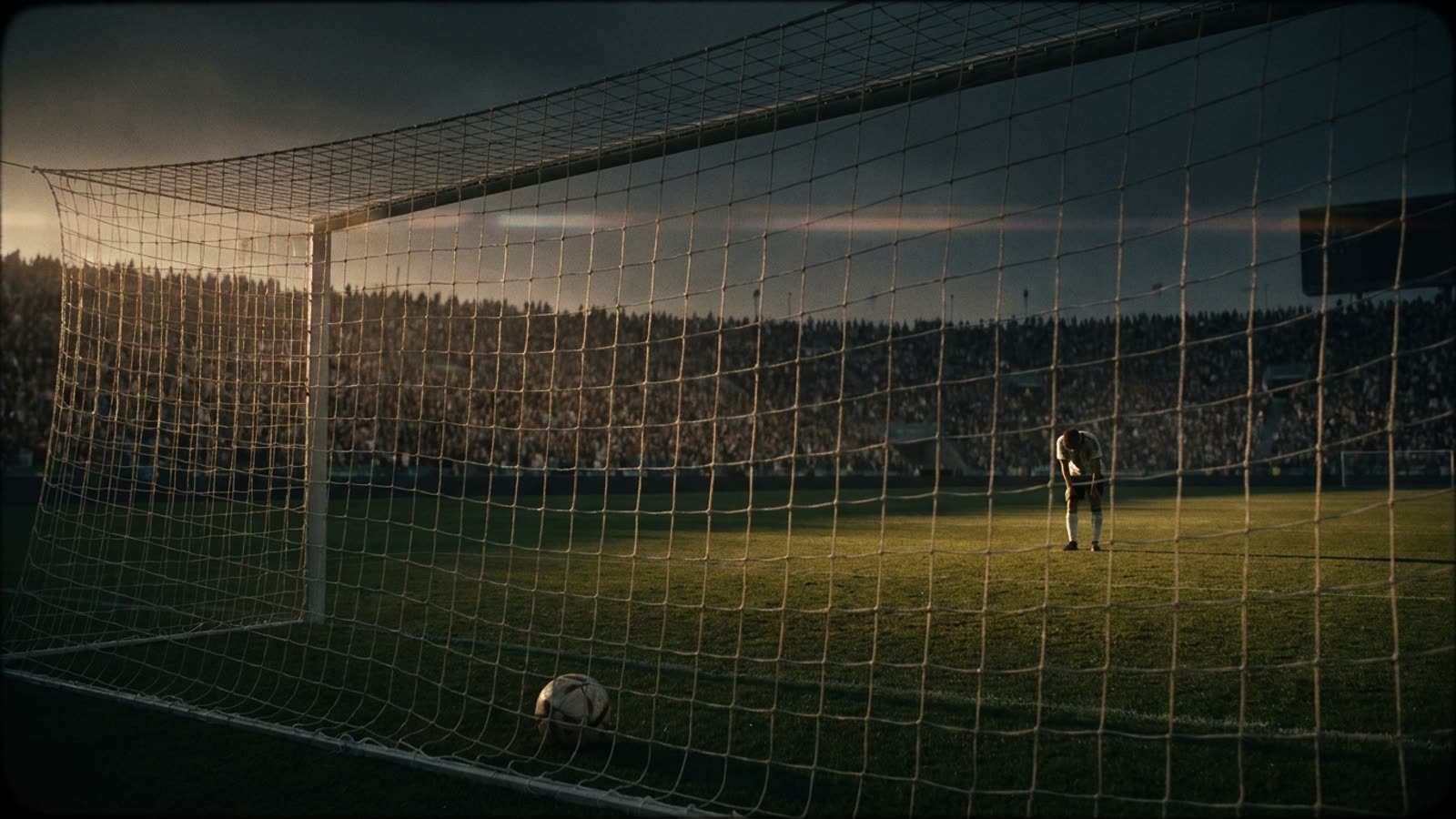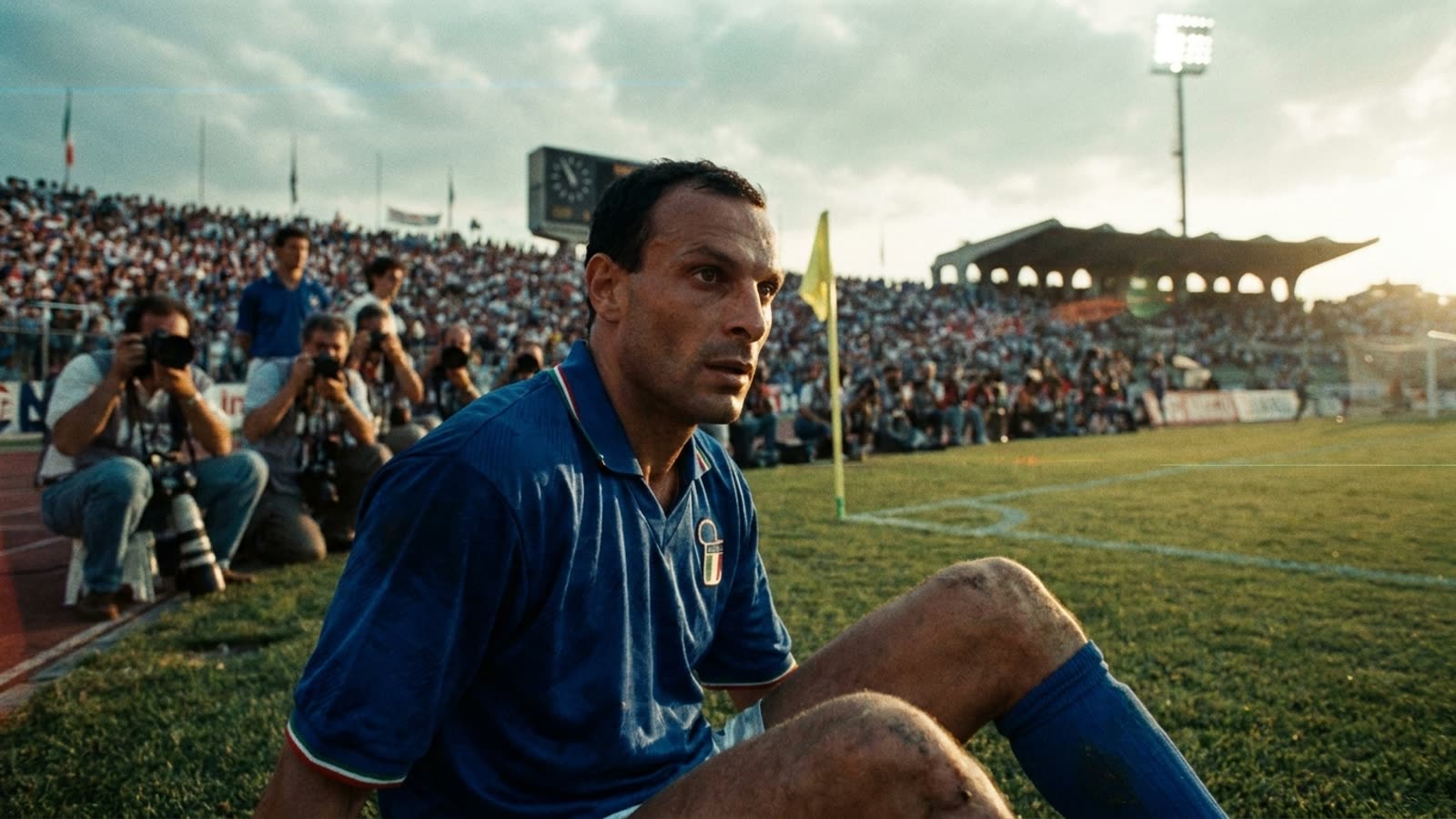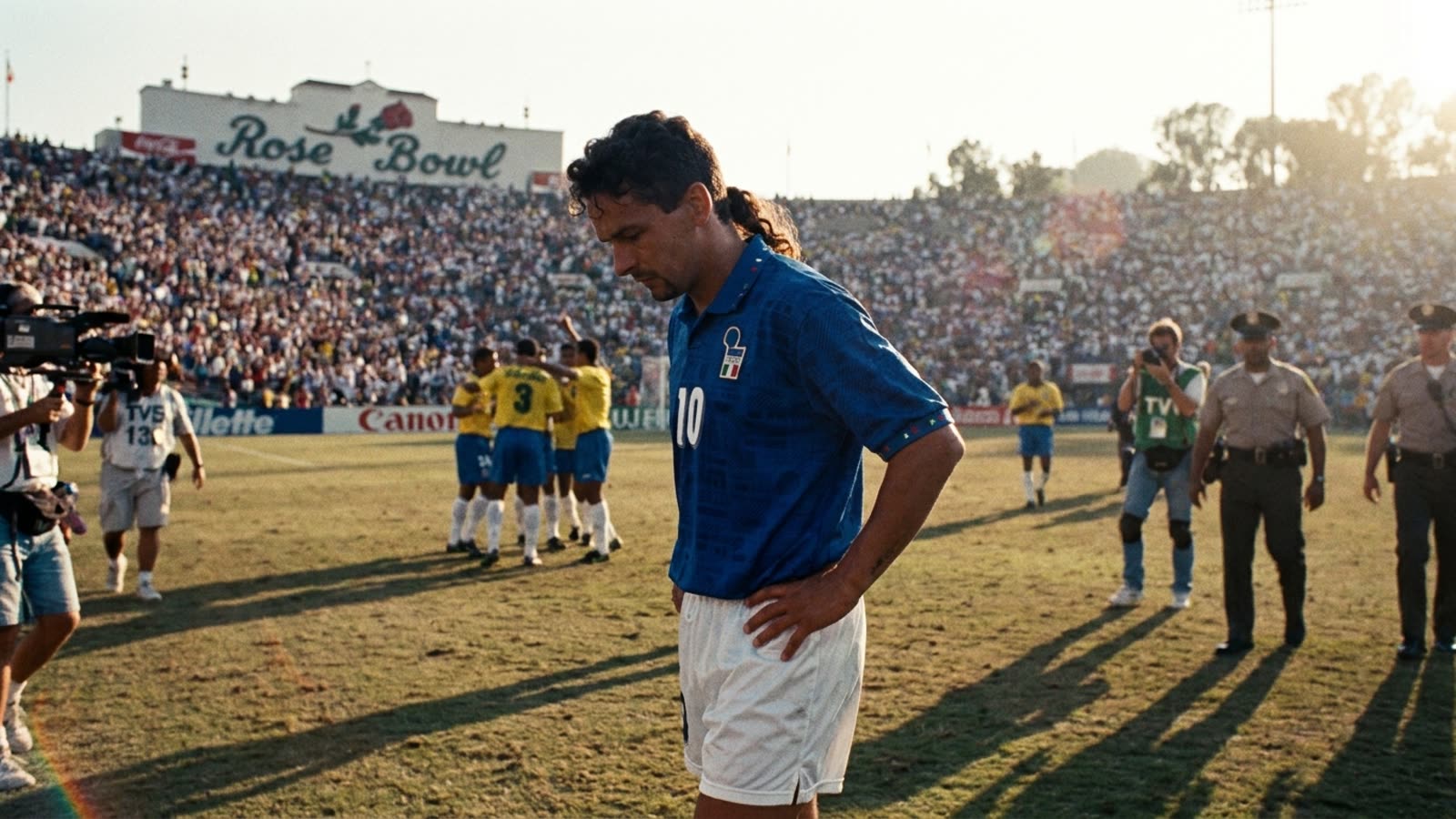
The greatest player in Italian football history is remembered primarily for something he failed to do. Roberto Baggio, the man who carried Italy to the 1994 World Cup final almost single-handedly, blazing past defenders and conjuring goals from impossible angles, is frozen forever in the collective memory with his hands on his hips, head bowed, standing over a ball that had just sailed over the crossbar at the Rose Bowl.
This is not tragedy in the classical sense. Baggio went on to play for years, won Serie A titles, scored hundreds of goals. But that moment in Pasadena became the defining image of his career, and perhaps of penalty shootouts themselves — the cruelest mechanism in sport condensed into one frame.
The weight of a nation
Baggio arrived at that final carrying injuries that would have sidelined lesser players. A hamstring strain had nearly ended his tournament in the group stage. He played through pain that required post-match injections, yet still produced the moments of brilliance that dragged Italy past Nigeria, Spain, and Bulgaria. His two goals against Bulgaria in the semifinal were vintage Baggio: a penalty won through sheer persistence, then a sublime chip over the goalkeeper that seemed to bend the laws of physics.
By the time he faced Brazil in the final, he was running on will alone. The match itself was forgettable, a turgid affair that ended goalless and seemed destined for penalties from the first whistle. When Baggio stepped up for Italy's fifth kick, needing to score to keep his country alive, he was exhausted, injured, and carrying the expectations of sixty million people.
The anatomy of a miss
Penalty specialists will tell you that fatigue affects technique in subtle ways. The planted foot lands differently. The striking leg loses precision. The mental calculations that usually happen automatically become conscious and therefore slower. Baggio later said he felt nothing as he approached the ball — no fear, no pressure, just emptiness. That numbness may have been the problem. Great penalties require a certain controlled aggression, a commitment to the chosen corner. Baggio's kick had neither. It floated upward, almost gently, and cleared the bar by several feet.
The image of him standing motionless afterward became one of sport's most reproduced photographs. It appeared on magazine covers worldwide, was analyzed by psychologists, referenced by poets. In Italy, it became shorthand for beautiful failure, for the gap between human ambition and human limitation.
Our take
What makes Baggio's miss resonate decades later is that it happened to the right person — not a journeyman defender or a nervous youngster, but the tournament's undisputed star, a player of genuine artistry. Sport prefers its narratives clean, but Baggio's story insists on complexity. He was simultaneously the hero who got Italy to that final and the villain who lost it. He never won a World Cup, never escaped the shadow of that kick, and yet he is more beloved than many players who lifted the trophy. There is something deeply human in that contradiction, something that explains why we watch sport in the first place. We want to see greatness, yes, but we also want to see what happens when greatness is not enough.