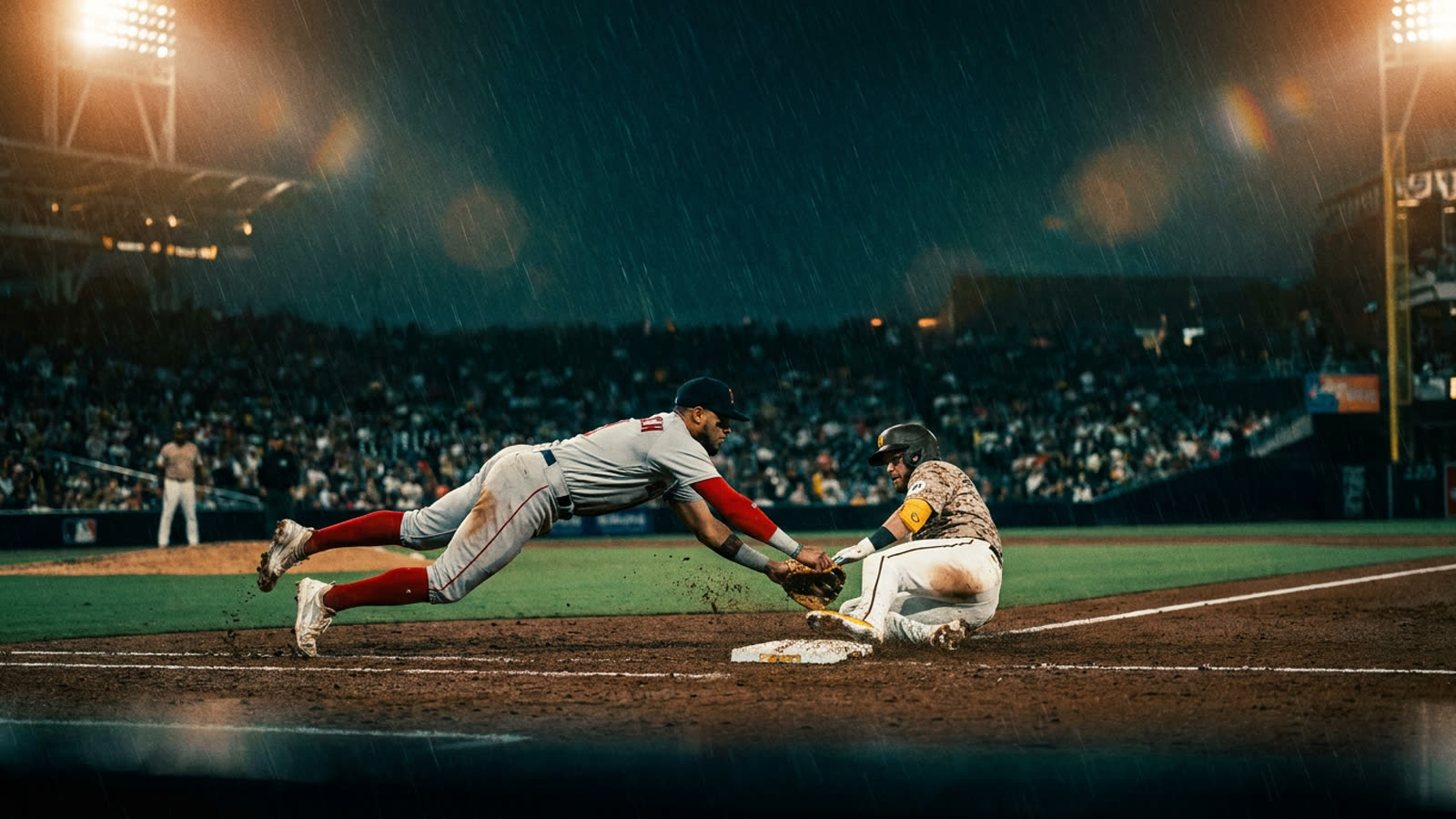
Neither Cincinnati nor San Diego entered 2026 expecting to be here—locked in a meaningful June series with genuine postseason implications—yet both have spent the first two months of the season playing with the desperate energy of clubs who know their windows are measured in months, not years.
The Reds, perpetually rebuilding since the Votto era ended, have discovered something unexpected: a pitching staff that doesn't collapse by Memorial Day. The Padres, meanwhile, continue their annual high-wire act of competing with a roster that ownership insists is championship-caliber while simultaneously refusing to add the pieces that might make it so.
The Reds' accidental contention
Cincinnati's front office would never admit it publicly, but the Reds weren't supposed to be good yet. The farm system was supposed to need another year of seasoning. The rotation was supposed to be a question mark. Instead, the organization finds itself with a winning record and a fanbase that has remembered what hope feels like.
The problem with accidental contention is that it forces uncomfortable decisions. Do you buy at a deadline you hadn't planned for? Do you extend players you weren't sure about? The Reds have perhaps six weeks to figure out whether this season is an aberration or an arrival.
San Diego's familiar crossroads
The Padres have been here before—talented enough to tantalize, flawed enough to disappoint. Their offense remains potent, their pitching remains inconsistent, and their ownership remains committed to the peculiar strategy of spending just enough to generate expectations but not quite enough to meet them.
What makes this series revealing is that both teams are essentially auditioning for themselves. Win, and the narrative becomes one of plucky contenders deserving of deadline reinforcements. Lose, and the whispers about selling become harder to ignore.
Our take
There's something refreshing about watching two mid-market teams play meaningful baseball before the All-Star break. In an era when tanking has become a viable strategy and super-teams dominate October, the Reds and Padres represent something increasingly rare: organizations trying to win now with what they have. Whether that's admirable or foolish depends entirely on how the next three months unfold. For now, it's just good baseball.