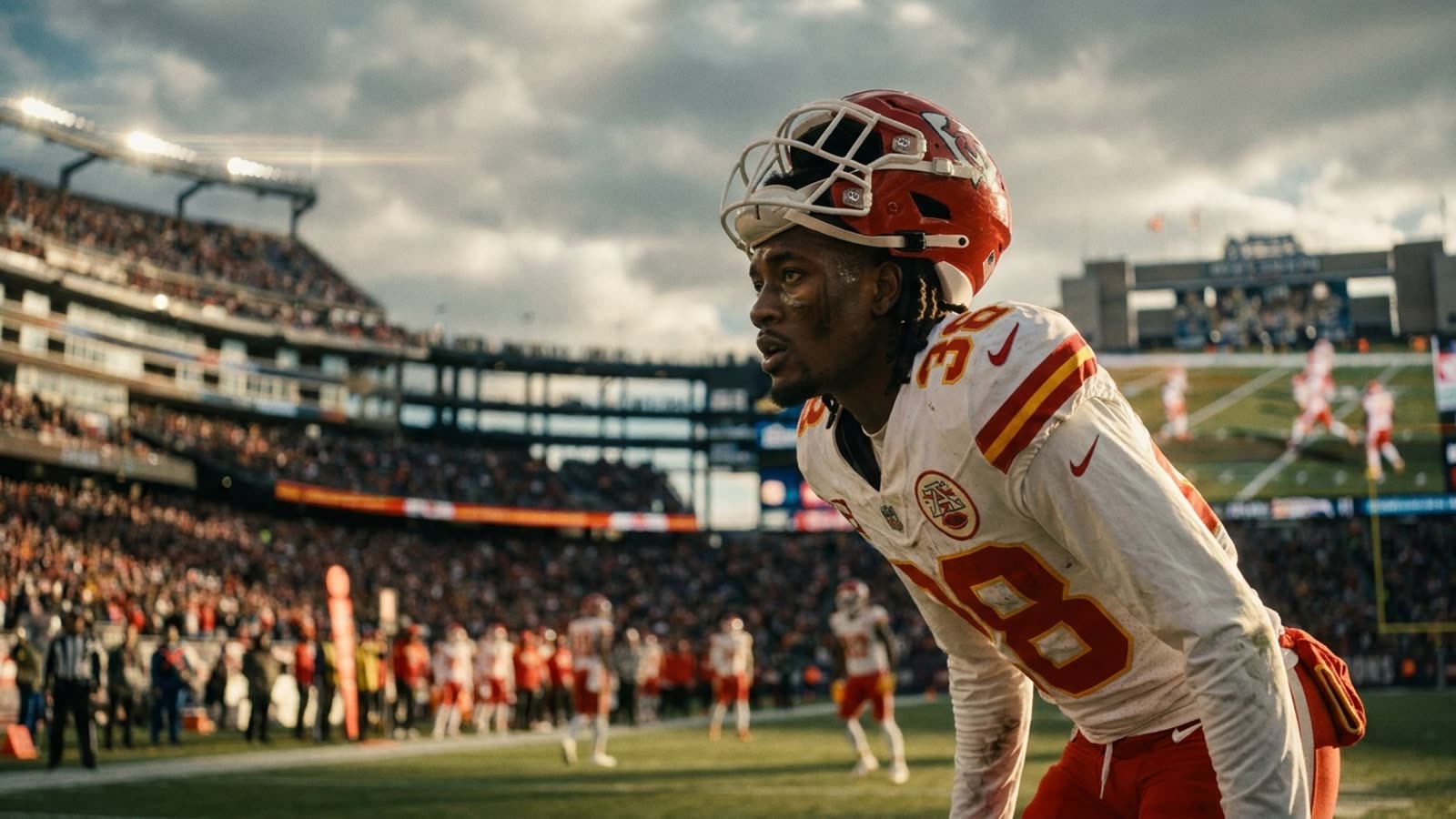
Dynasties don't make reunion signings out of strength. They make them because the alternative—admitting the cupboard is bare—is worse than the awkwardness of calling back the guy you shipped out. The Kansas City Chiefs' decision to reunite with cornerback L'Jarius Sneed, two years after trading him to the Tennessee Titans, is being dressed up as a savvy move by a perennial contender. It is actually a confession.
Sneed was a fourth-round pick in 2020 who developed into one of the league's better man-coverage corners during Kansas City's Super Bowl runs. When the Chiefs dealt him in March 2024, the logic was sound enough: secondary help is fungible, the cap is finite, and Sneed wanted to be paid like a top-ten corner. Tennessee obliged with a contract Kansas City deemed too rich. Now, after two seasons of watching replacement-level corners get torched in January, the Chiefs have swallowed their pride and their cap flexibility.
The secondary's slow erosion
Kansas City's defensive identity under Steve Spagnuolo has always been predicated on generating pressure with Chris Jones and letting the secondary play aggressive, tight coverage behind it. But corners age faster than pass rushers, and the Chiefs' depth chart has quietly become a graveyard of failed experiments. The players brought in to replace Sneed have ranged from disappointing to disastrous. Opposing quarterbacks have posted a collective passer rating above 100 against Kansas City's corners over the past two seasons—numbers that would have been unthinkable during the 2022 and 2023 championship runs.
Sneed, now 28, is not the lockdown defender he was at his peak. His time in Tennessee was competent but unspectacular, and the Titans were willing to let him walk precisely because he no longer justified his price tag. The Chiefs are betting that scheme familiarity and Patrick Mahomes' gravitational pull on free agents will extract more from Sneed than the Titans could.
What it signals about the window
The more interesting question is what this move reveals about Kansas City's self-assessment. The Chiefs have made the AFC Championship Game in seven consecutive seasons and won three Super Bowls in five years. But Mahomes is 30 now, Travis Kelce is 36, and the supporting cast has been systematically hollowed out by cap constraints and draft misses. Bringing back Sneed is not the move of a team confident in its pipeline. It is the move of a team that looked at its cornerback room, looked at the 2026 draft class, and decided nostalgia was the safest bet.
General manager Brett Veach has earned the benefit of the doubt through a decade of shrewd roster construction. But even his staunchest defenders would admit that the Chiefs' drafting outside the first round has been spotty since 2021. When your best solution to a two-year-old problem is to undo the trade that caused it, the scouting department has some explaining to do.
Our take
This is a reasonable signing that should not be mistaken for a good one. Sneed will help. He knows the system, he can still play, and Kansas City's alternatives were genuinely worse. But the Chiefs are now a team that patches holes rather than builds depth—a franchise running on fumes and reputation while the rest of the AFC gets younger and faster. The dynasty is not over, but it is no longer self-sustaining. Reunions are for bands that have stopped writing new material.