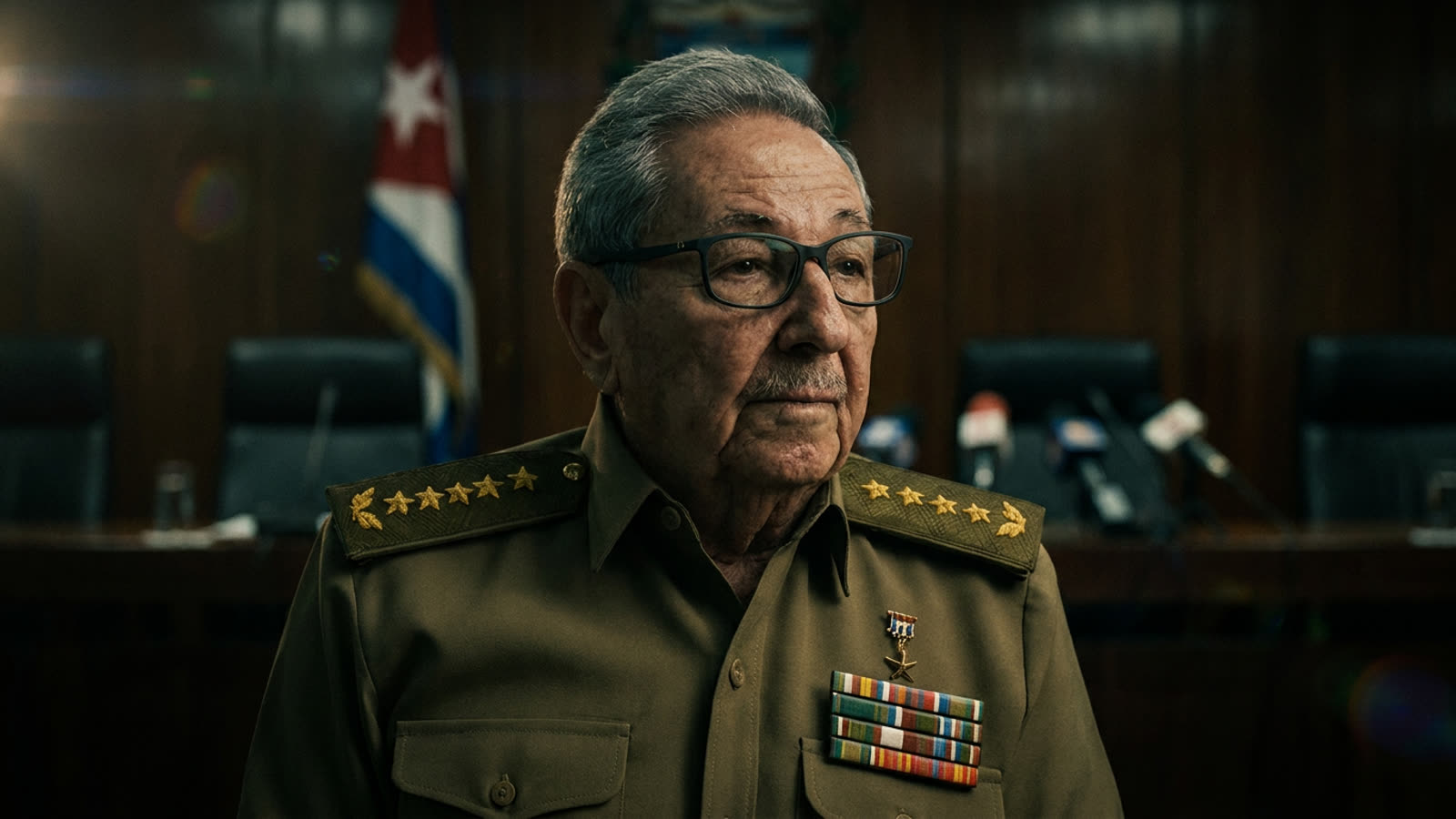
For the first time in history, the United States has indicted a former head of the Cuban government on criminal charges, naming 94-year-old Raúl Castro in what amounts to a legal declaration of war against a regime Washington has failed to dislodge for more than six decades. The charges reportedly center on human rights abuses and drug trafficking—serious allegations that will never see the inside of an American courtroom unless Castro boards a flight to Miami, which he will not.
The indictment is less a prosecutorial act than a diplomatic weapon, designed to delegitimize the Castro legacy and signal to Havana's current leadership that the United States has not forgotten its grievances. Whether it accomplishes anything beyond a press cycle is another matter entirely.
The legal theater of extraterritorial indictments
American prosecutors have a long history of indicting foreign leaders they cannot arrest—Manuel Noriega being the rare exception who actually faced trial after a full-scale invasion. More typical is the fate of indictments against Venezuelan officials, Russian intelligence officers, and Chinese military hackers: they gather dust while serving as talking points. The Castro indictment fits this pattern. At 94, Raúl Castro is unlikely to travel anywhere extradition is possible, and Cuba has no incentive to cooperate with American legal demands. The charges function as a permanent stain on his record in Western legal systems, but Havana will frame them as Yankee aggression, which plays well domestically.
Timing and the Trump doctrine
The indictment arrives during a period of renewed hawkishness toward Latin American adversaries. The administration has shown little interest in the Obama-era thaw with Cuba and considerable enthusiasm for maximum-pressure campaigns. Charging Castro aligns with a broader pattern of using the Justice Department as an instrument of foreign policy—a practice that critics call politicization and supporters call accountability. The move will please Cuban-American voters in Florida, a constituency whose electoral importance has only grown as the state has shifted rightward.
What Havana hears
Cuban officials will almost certainly treat the indictment as confirmation that dialogue with Washington is futile. The island's leadership has survived American sanctions, invasion attempts, and assassination plots; a federal indictment of a nonagenarian former president is unlikely to prompt regime change or even modest reforms. If anything, it provides propaganda value: proof, in Havana's telling, that the United States remains obsessed with punishing the revolution rather than engaging with Cuban reality.
Our take
Indicting Raúl Castro is satisfying symbolism for those who view the Castro brothers as architects of tyranny, and it may well be morally justified. But it is not foreign policy in any operational sense. The charges cannot be enforced, the defendant will never appear, and Cuba's government will use the spectacle to rally nationalist sentiment. Washington has added another name to its list of indicted strongmen it cannot touch. The gesture is loud; the impact is nil.