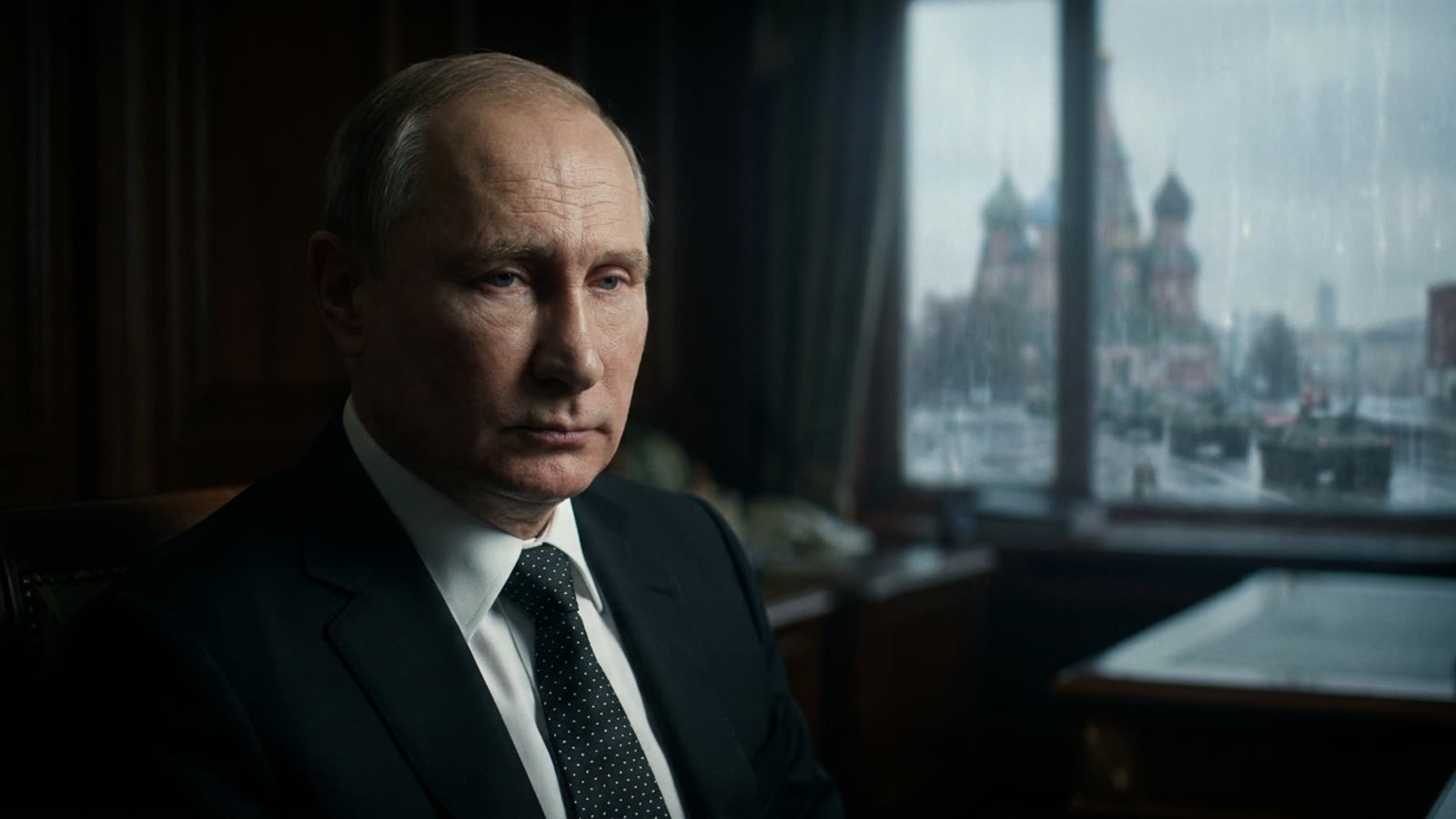
Vladimir Putin's declaration this weekend that he believes the Ukraine conflict is "coming to an end" marks a notable rhetorical pivot for a leader who has spent three years framing the invasion as an existential civilisational struggle with no clear terminus. The statement, delivered with characteristic ambiguity about what "end" might mean, lands at a moment when Russian forces are making their slowest territorial gains since the war's opening months.
The dissonance is instructive. Putin's words suggest a leader preparing domestic and international audiences for something—whether genuine negotiations, a frozen conflict dressed as victory, or simply a recalibration of expectations after a costly winter offensive that delivered metres where kilometres were promised.
The drone problem Russia cannot solve
On the ground, the fundamental arithmetic hasn't changed. Russian military planners remain trapped by a technological reality that has defined this war: the ubiquity of cheap surveillance and strike drones makes massed armoured advances suicidal. Every concentration of forces becomes a target within hours. The result is a battlefield where gains are measured in village blocks, not oblasts, and where attrition favours neither side decisively.
Putin's forces have thrown waves of men at Ukrainian positions in the Donbas throughout 2026, yet the front line has moved only incrementally. Western intelligence estimates suggest Russia is losing equipment faster than it can manufacture replacements, while Ukraine's own manpower constraints grow more acute. Neither army can achieve the operational tempo required for a decisive campaign.
The diplomatic signal beneath the rhetoric
Putin's comments condemning Western support for Zelensky while simultaneously floating negotiation potential follow a familiar script: blame the adversary's backers, position Russia as the reasonable party, and test whether war fatigue in European capitals might create diplomatic openings. The timing—with American tariff chaos dominating Washington's attention and European defence budgets under strain—is not coincidental.
Yet "coming to an end" means different things to different audiences. For Russian state television, it signals eventual triumph. For Western analysts, it reads as preparation for a face-saving off-ramp. For Ukrainians, it sounds like the prelude to pressure campaigns urging territorial concessions.
Our take
Putin is not predicting peace; he is managing expectations. After three years of promising swift victory, the Kremlin needs a narrative that explains why the war continues without admitting strategic failure. Declaring the conflict "nearly over" achieves this—it implies success is imminent while providing cover if negotiations eventually require compromises Moscow once deemed unthinkable. The war will end when one side's capacity to fight collapses or when both conclude the costs exceed any plausible gains. Neither condition appears close. Putin's words are politics, not prophecy.