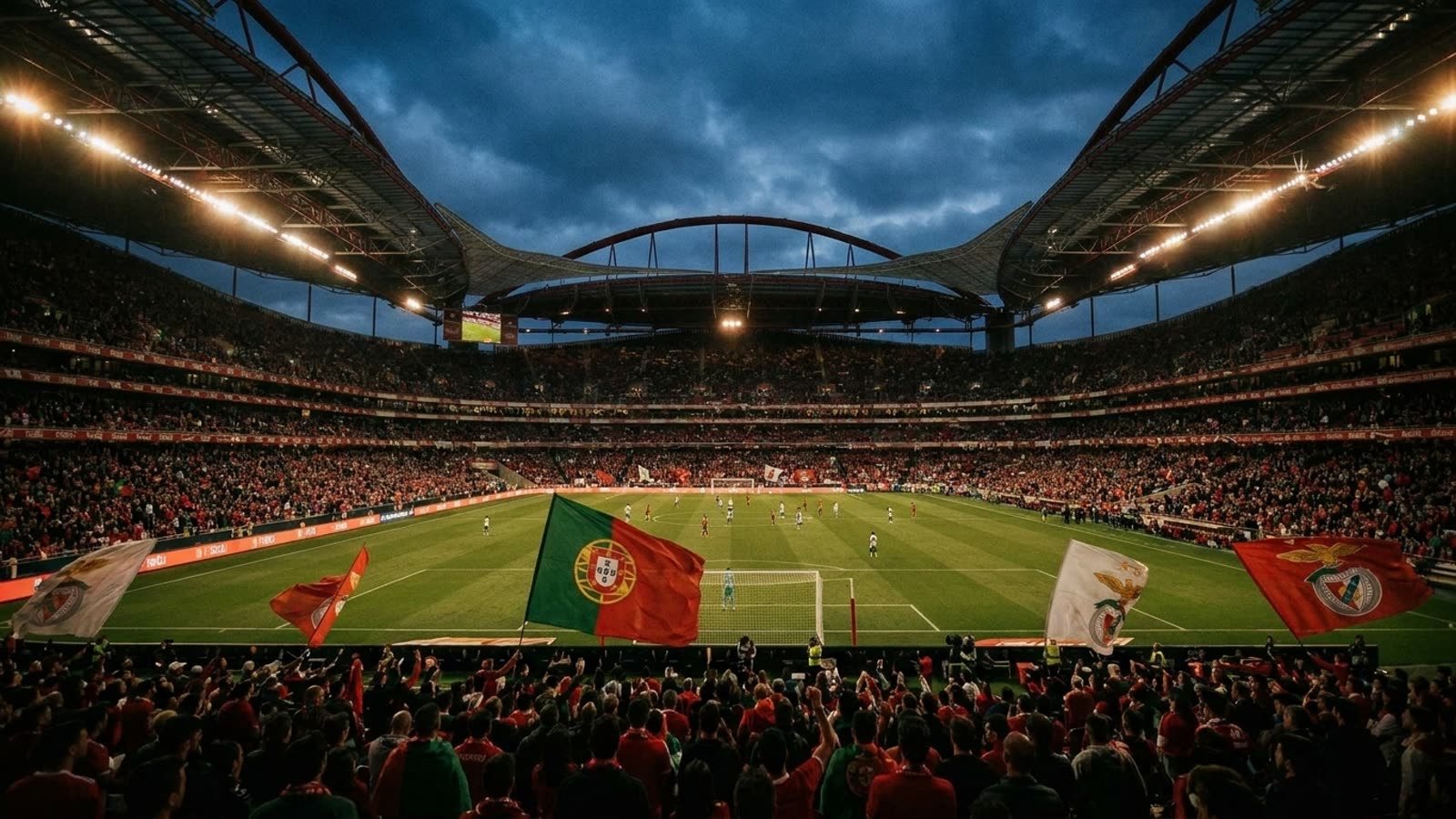
The final day of World Cup group stages produces a peculiar species of football match: the game where both teams have already punched their tickets to the knockout rounds. Portugal versus Colombia, playing out in the tournament's closing group fixtures, belongs to this category—a contest stripped of existential stakes but laden with subtler calculations that reveal how modern international managers actually think.
These are the matches pundits dismiss as dead rubbers, yet they offer something the do-or-die knockouts cannot: a window into coaching philosophy when survival instinct isn't clouding every decision.
The rotation calculus
Managers face an optimization problem with no clean solution. Rest your stars and risk losing rhythm; play them and risk injury days before elimination football begins. The arithmetic gets grimmer when you factor in yellow-card accumulation—a booking in a meaningless group game can mean missing a quarter-final.
Portugal's bench depth makes this calculation slightly easier than it is for nations operating with thinner squads. Colombia, meanwhile, must weigh whether their first-choice eleven needs match sharpness more than recovery time. The answer depends on variables no spreadsheet captures: how players respond to the tournament's psychological pressure, whether the altitude and travel have taken invisible tolls, how the dressing room's mood shifts when the stakes temporarily evaporate.
What the table position actually buys
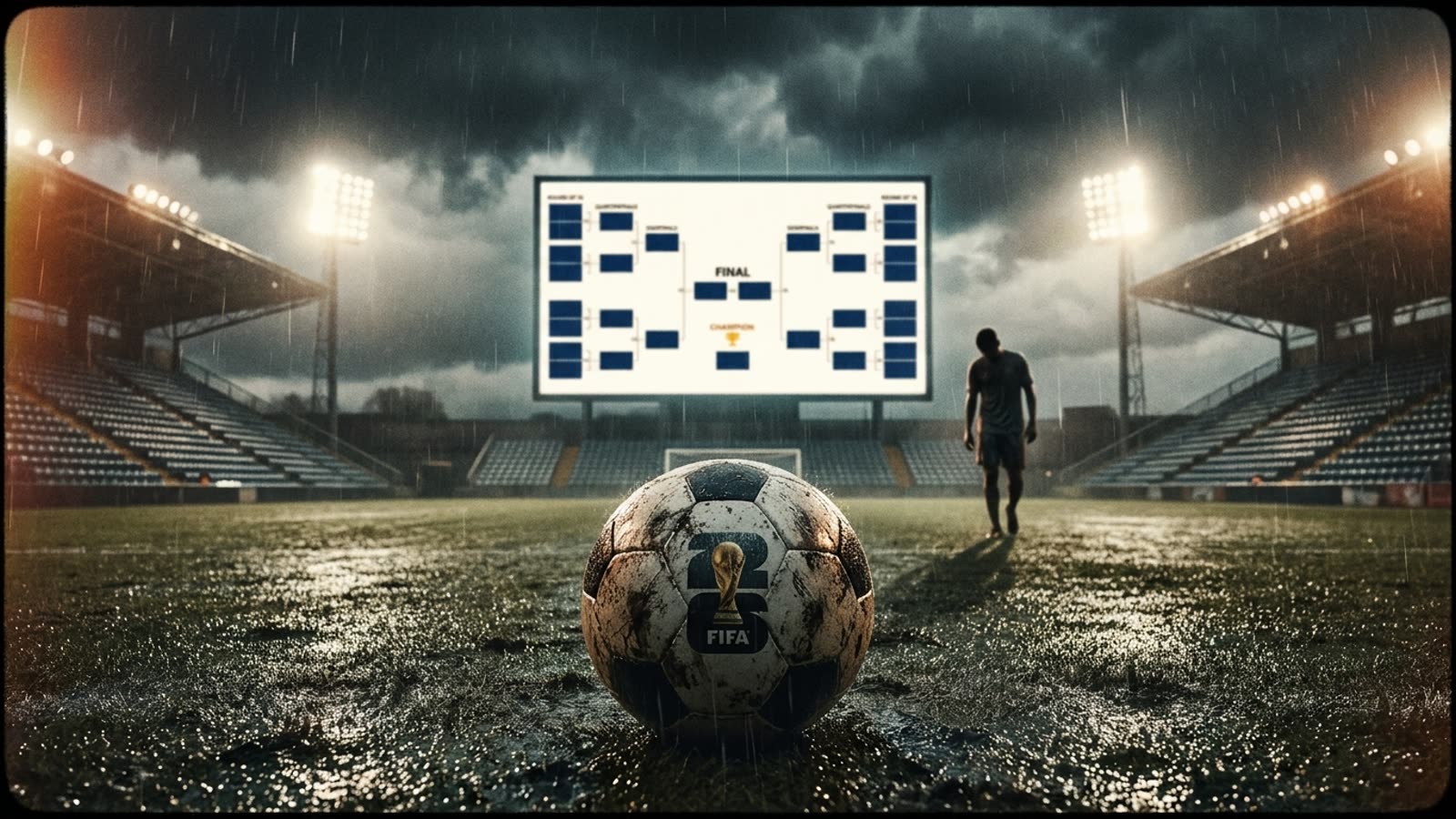
Finishing first versus second in a group is not merely cosmetic. The bracket placement determines which half of the draw a team enters, potentially avoiding the tournament favorites until a final or semifinal. Teams have thrown matches to engineer favorable paths—though none admit it publicly.
The more interesting phenomenon is the opposite: teams that refuse to downshift even when mathematics permits it. Some managers believe tournament momentum is real, that a team playing at three-quarter intensity cannot simply flip a switch when elimination arrives. Others treat these matches as auditions, giving fringe players ninety minutes to argue for knockout-round inclusion.
Our take
The World Cup's group-stage finales deserve more attention than they receive. They're the only moments in the tournament when coaches can think beyond the next ninety minutes, when substitution patterns and formation tweaks aren't dictated by desperation. Portugal and Colombia will produce a match that matters less on the scoreboard than in the details: who gets rested, who gets tested, and what those choices telegraph about each manager's private assessment of what comes next. The knockouts will be louder. These matches are more honest.