The narrative was already written before kickoff: Portugal, with their embarrassment of attacking riches, would dispatch Angola in a comfortable Group D victory that would cement their status as genuine World Cup contenders. João Félix's form has been incandescent. Bernardo Silva remains the midfield metronome. The supporting cast reads like a Fantasy Football fever dream. Then Yoane Wissa happened.
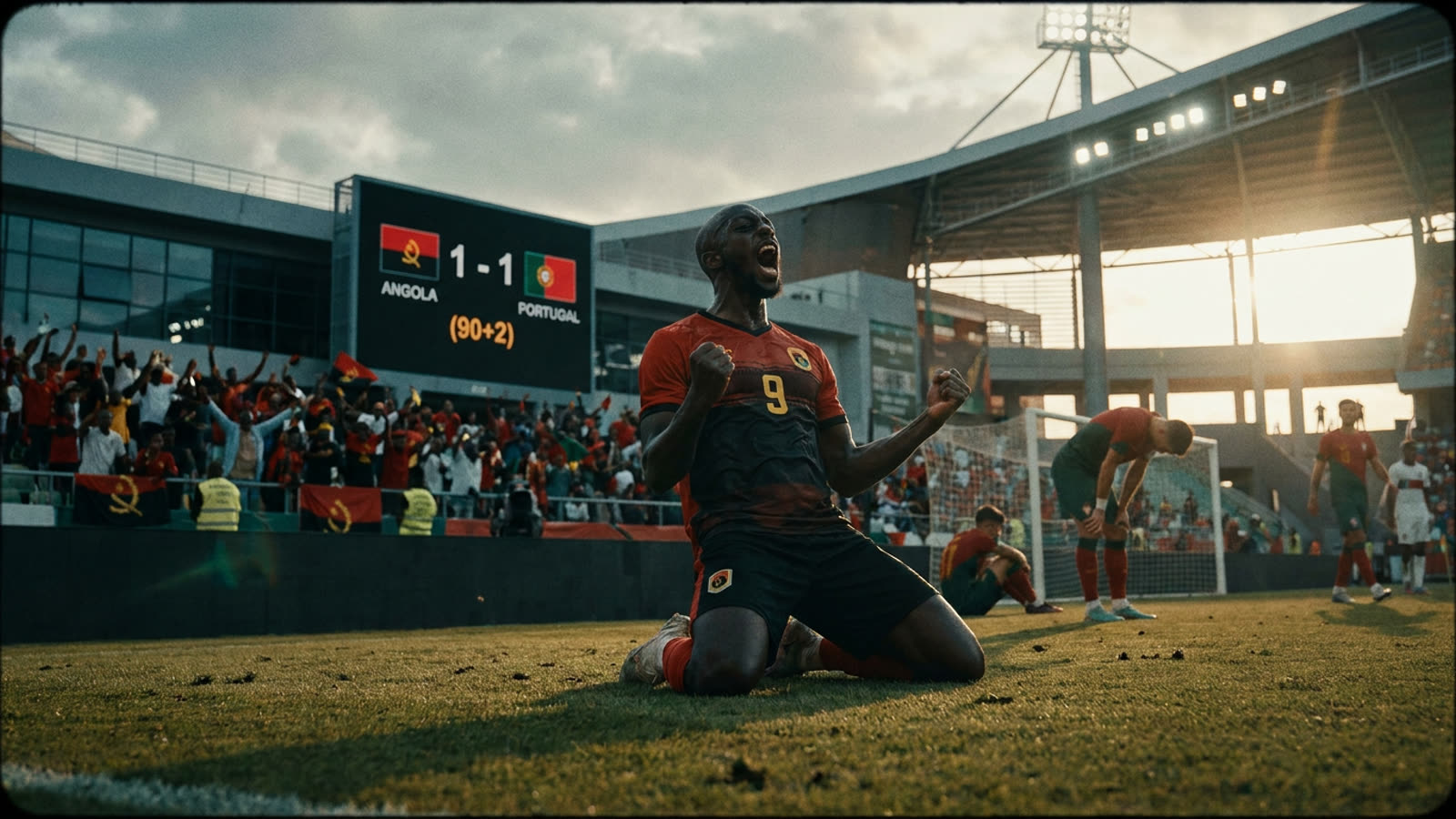
João Pedro Neves opened the scoring with a header that seemed to confirm the predetermined storyline — Portugal's set-piece prowess translating into early tournament efficiency. The Angolan defense, organized but outmatched on paper, appeared destined to spend eighty-plus minutes chasing shadows. Instead, Wissa's equalizer arrived as both rebuke and revelation, a reminder that World Cup football operates on its own chaotic logic.
The Brentford connection
Wissa's goal was pure Premier League pragmatism transplanted onto the global stage. The 28-year-old has spent years perfecting the art of finding space in congested penalty areas, and his movement against Portugal's backline was a masterclass in intelligent positioning. For Angola, making their first World Cup appearance since 2006, this wasn't merely a goal — it was a statement of intent that their presence in the tournament extends beyond ceremonial participation.
The Palancas Negras entered this World Cup with modest expectations but genuine belief. Their qualification campaign featured victories over Morocco and Egypt, results that suggested this squad possesses more than romantic underdog spirit. Wissa's equalizer validated that belief in front of a global audience.
Portugal's familiar fragility
Roberto Martínez has constructed an attacking apparatus of considerable beauty, but the defensive questions that have plagued Portuguese football for a decade remain stubbornly unanswered. The goal conceded to Angola followed a pattern recognizable from Euro 2024 and the Nations League — a momentary lapse in concentration, a failure to track a runner, and suddenly the scoreboard no longer reflects territorial dominance.
Portugal's depth chart suggests they should cruise through Group D regardless of individual results. But World Cup knockout football punishes defensive vulnerability with brutal efficiency. The tournament's recent history is littered with technically superior sides eliminated by opponents who simply defended better and converted their chances.
Our take
This match will likely be forgotten if Portugal lifts the trophy in July, filed away as an early-tournament hiccup en route to glory. But it might also be remembered as the warning sign that went unheeded. Wissa's goal didn't just earn Angola a point — it asked a question about Portuguese resilience that remains conspicuously unanswered. The beautiful football means nothing if you can't protect a lead.