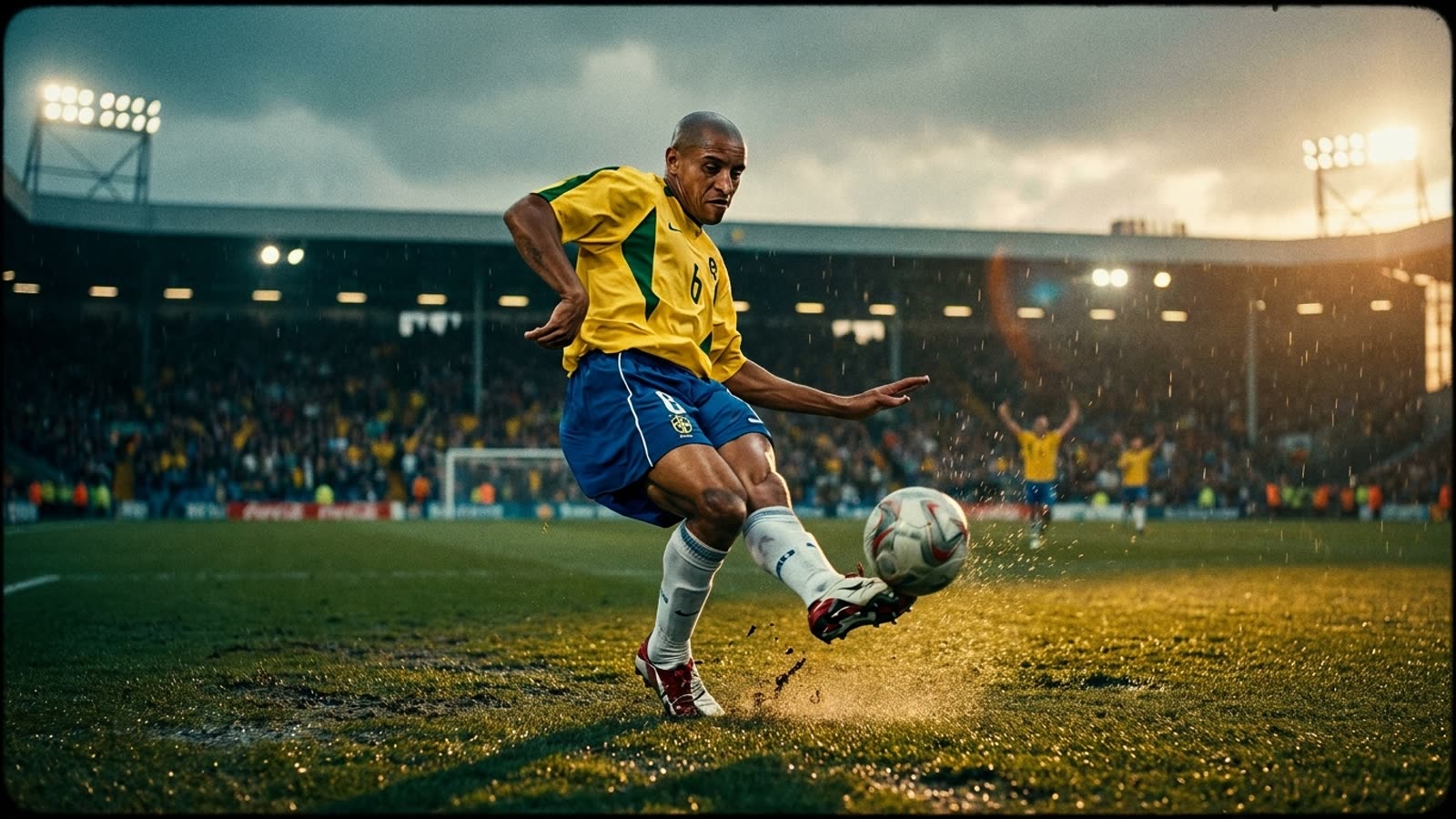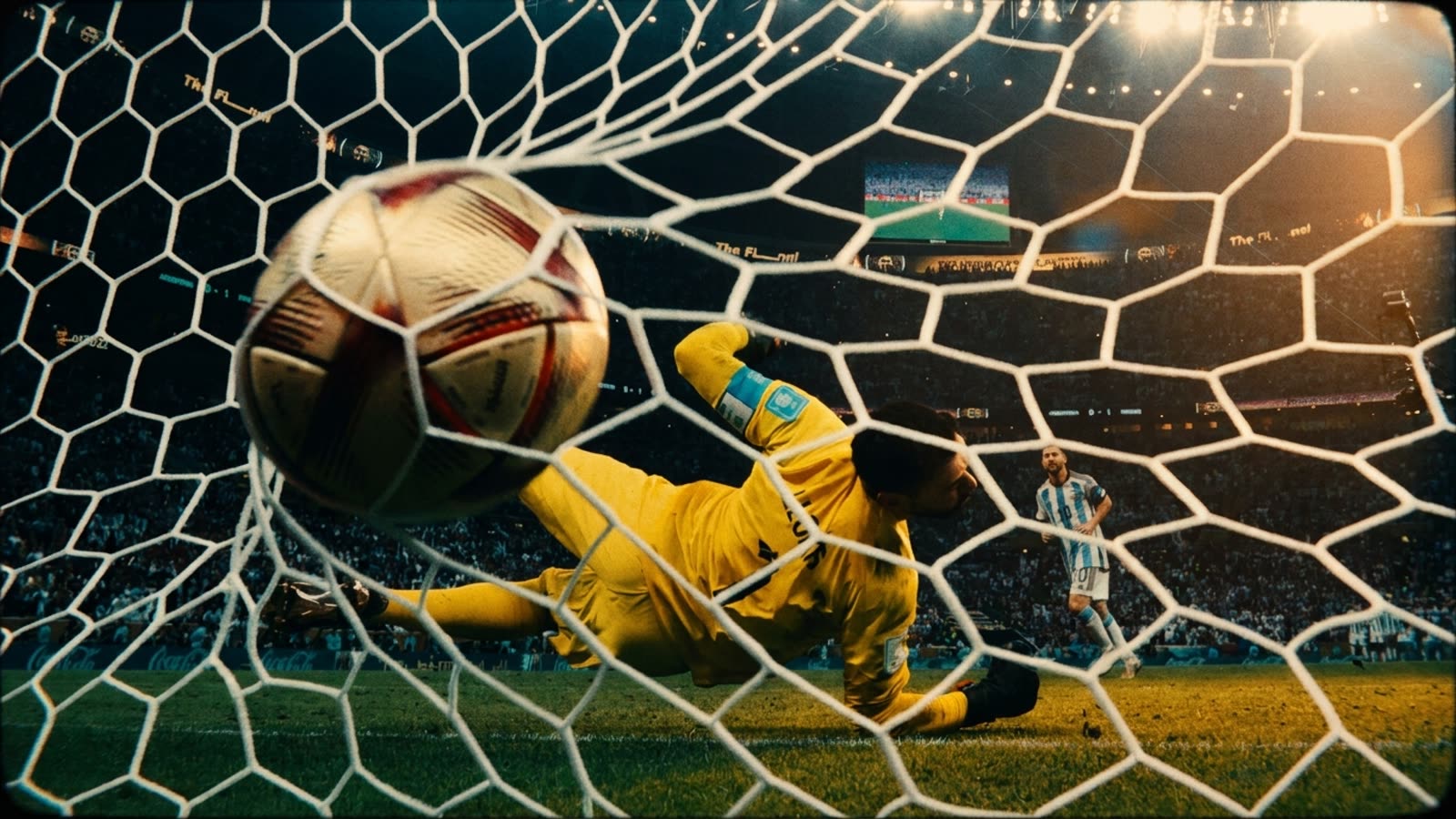
No other moment in sport compresses so much consequence into so little action. A penalty kick takes roughly one second from foot to net, yet in World Cup knockout rounds, that single second can define careers, traumatize generations of supporters, and reshape a nation's relationship with its own team.
The shootout was introduced to FIFA competitions in 1970 as a humane alternative to coin flips and replays, a supposedly fair tiebreaker that would reward skill over chance. What the administrators failed to anticipate was that they had invented something far more psychologically brutal than a coin toss could ever be. A coin absolves everyone; a missed penalty indicts one man forever.
The arithmetic of agony
Conversion rates in regular play hover around 75-80 percent for professional footballers. In World Cup shootouts, that figure drops meaningfully, and the decline is not about technique—it is about context. The same player who buries penalties in league matches with casual authority can see his nervous system betray him when the stakes become existential.
The phenomenon is well-documented in sports psychology: under extreme pressure, the brain's prefrontal cortex, responsible for fine motor control and decision-making, cedes influence to the amygdala, which governs fear responses. Elite athletes spend careers training muscle memory precisely so they can execute without conscious thought, but a World Cup shootout forces consciousness back into the equation. The walk from the center circle to the spot takes roughly fifteen seconds—an eternity for doubt to colonize the mind.
National trauma as inheritance
Certain countries have developed what can only be described as shootout complexes, collective anxieties passed down through generations of supporters. England's relationship with the format became so fraught that it transcended sport and entered cultural discourse, with decades of tournament exits creating a self-reinforcing narrative of inevitable failure. The Dutch, despite producing some of history's most technically gifted players, have similarly struggled when matches reduce to this binary examination.
Conversely, Germany built a reputation for shootout reliability so formidable that opponents reportedly felt defeated before the first kick. This was not superior technique—German players missed penalties too—but rather a cultural expectation of composure under pressure that became its own form of psychological warfare.
The goalkeeper's impossible mathematics
For the player in goal, the shootout inverts football's normal power dynamics. Goalkeepers are expected to lose each individual duel; a save is a bonus, not a baseline. This asymmetry should theoretically liberate them, yet the format's pressure affects keepers too, often manifesting in premature dives that leave them sprawling in the wrong direction as the ball rolls into the opposite corner.
The optimal strategy, according to game theory research, would involve staying central longer and reacting to the striker's commitment. But optimal strategy assumes rational actors, and rationality is precisely what shootouts strip away. Keepers dive early because standing still feels passive, because doing something wrong feels less culpable than doing nothing at all.
Our take
The shootout endures because it is magnificent theater, not because it is fair. It measures something real—composure, nerve, the ability to perform when performance matters most—but that something has only tangential relationship to the football that preceded it. The format will never be abolished because audiences are drawn to its cruelty, to watching the mask of professional detachment slip from faces that moments earlier seemed invincible. We tell ourselves we want justice in sport, but what we actually want is drama, and nothing in football delivers drama quite like twelve yards of grass and a man alone with his thoughts.