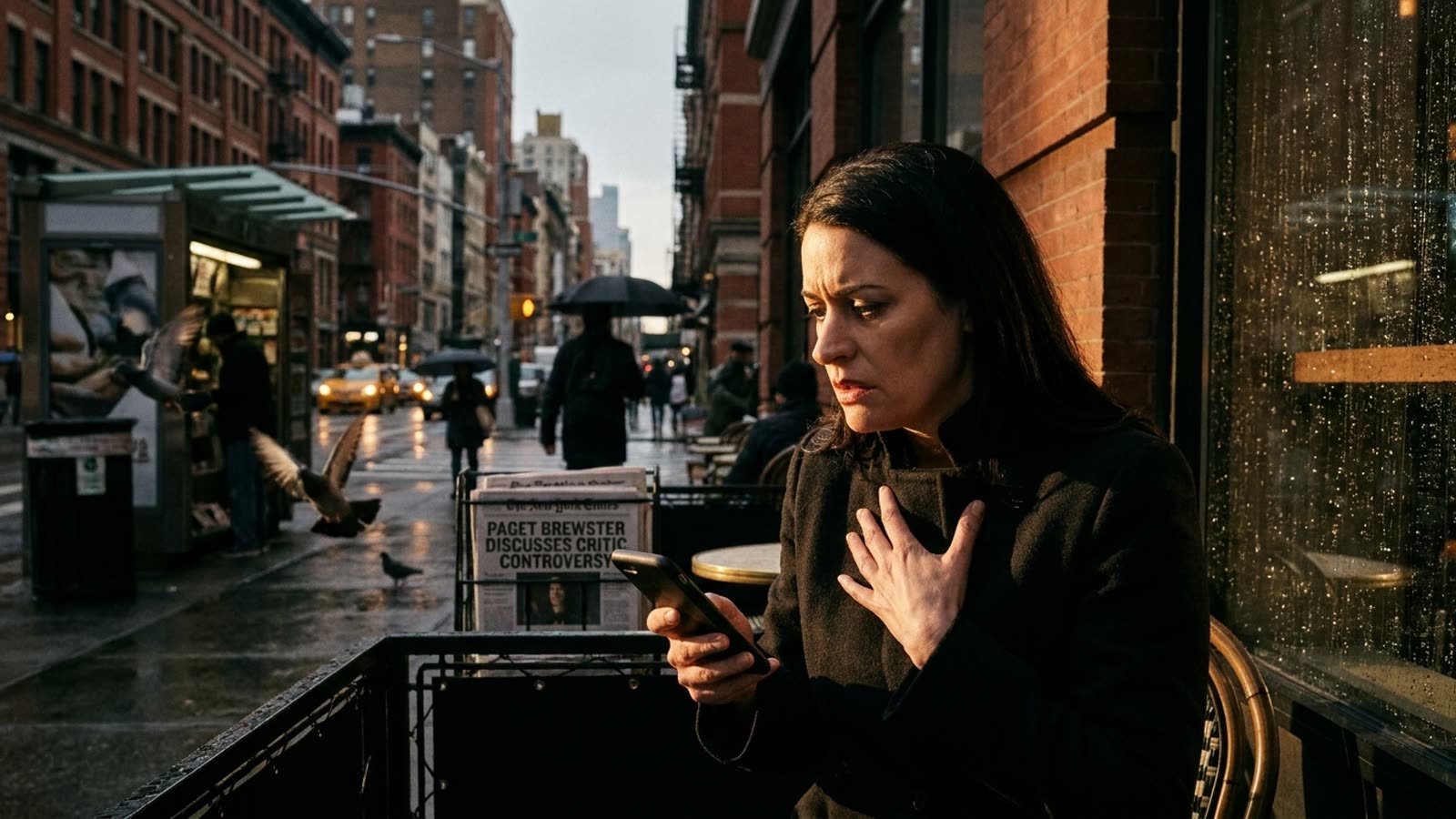
In the eternal war between celebrities and critics, the celebrity almost always loses — not because the critic is right, but because the power dynamic makes any retaliation look like punching down. Paget Brewster, the veteran actress best known for her decade-plus run on Criminal Minds, apparently forgot this rule last week when she publicly lashed out at a television critic who wrote unfavorably about her work. Within hours, she remembered it.
The apology that followed was notable not for its existence but for its quality: direct, unequivocal, and conspicuously free of the passive-voice hedging that has become standard celebrity crisis management. No "I'm sorry if anyone was offended." No "my words were taken out of context." Just an acknowledgment that she had behaved badly and a recognition that critics, however wrong they may sometimes be, are doing a job that serves readers rather than performers.
The clap-back industrial complex
We live in an era that celebrates the celebrity clap-back. Social media has convinced a generation of famous people that they can and should respond to every slight, that silence equals weakness, and that their fans will rally to their defense regardless of the merits. Sometimes they do. The problem is that these pyrrhic victories tend to define careers in ways that the original criticism never would have.
James Corden's restaurant ban became a bigger story than any of his late-night bits. Armie Hammer's various online defenses preceded revelations that made his defensiveness look, in retrospect, like a warning sign. The list of celebrities who have emerged from public feuds with critics looking better than when they started is vanishingly short.
Brewster, who has spent more than three decades in the industry, clearly knows this. Her initial outburst read like a moment of genuine frustration — the kind that anyone who has ever been publicly evaluated can understand — rather than a calculated brand play. The speed of her correction suggested someone who recognized, almost immediately, that she had made an error.
Why apologies are so rare
The scarcity of genuine celebrity apologies has less to do with ego than with legal and public relations advice. Publicists and attorneys have spent decades training their clients to avoid admissions of wrongdoing, to speak in generalities, to let time and news cycles do the work of reputation repair. The result is a landscape littered with non-apologies that satisfy no one and often extend the controversy they were meant to end.
Brewster's willingness to simply say she was wrong, without qualification or deflection, stands out precisely because it has become so unusual. It also, counterintuitively, may serve her interests better than any carefully workshopped statement could have. Audiences are remarkably forgiving of celebrities who demonstrate self-awareness; they are far less forgiving of those who treat them as marks to be managed.
Our take
The entertainment industry could use more of this. Not more feuds — we have plenty — but more adults who can recognize when they have behaved like children and say so without requiring a team of consultants to craft the message. Brewster's apology will not change the culture of celebrity defensiveness, and the next famous person who gets a bad review will probably still fire off an ill-advised tweet. But for one news cycle, at least, someone demonstrated that the alternative exists.