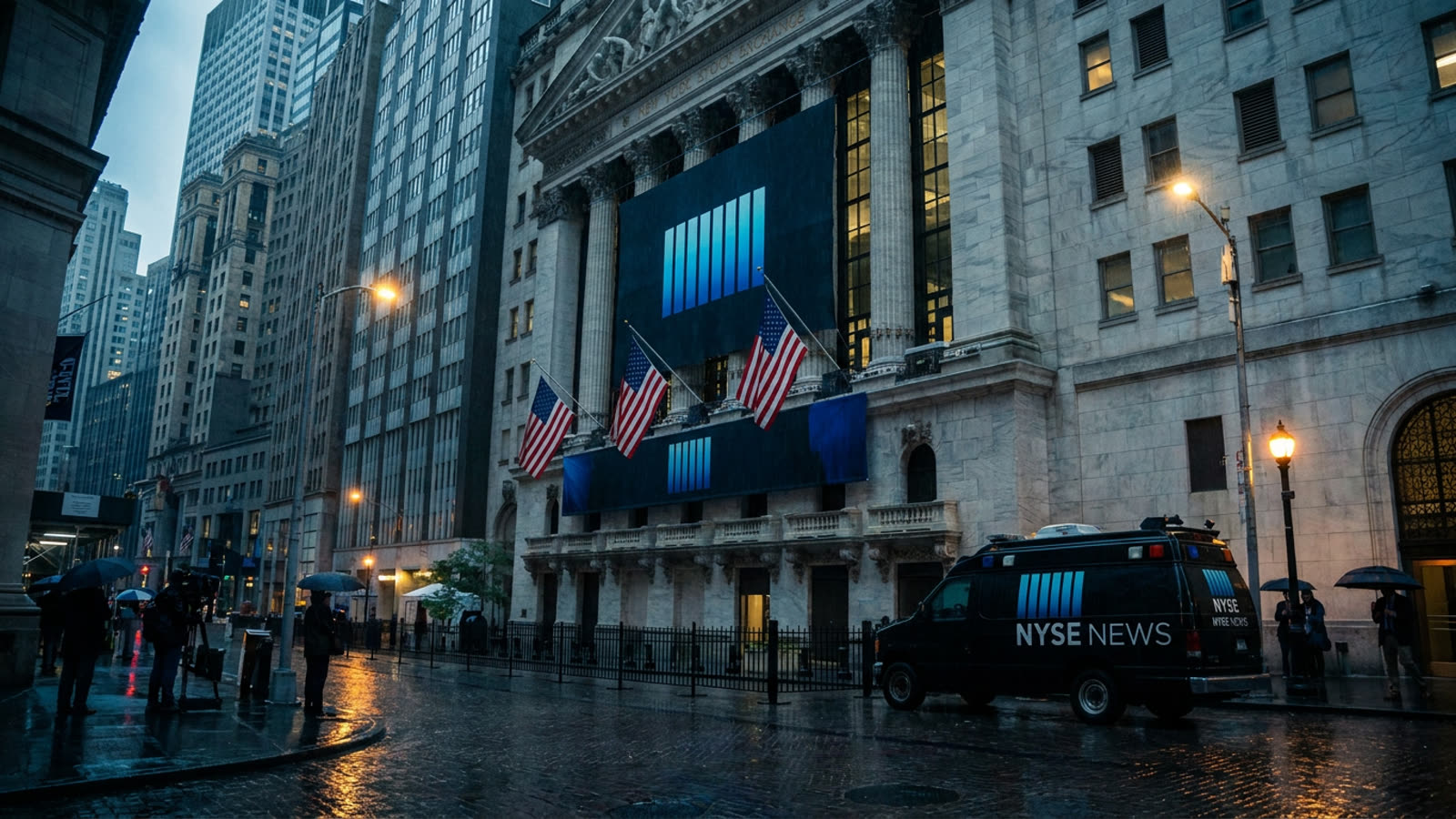
The New York Stock Exchange doesn't lose gracefully, and it certainly doesn't lose quietly. NYSE President Lynn Martin's pointed questioning of the regulatory accommodations Nasdaq made to attract SpaceX represents something more significant than sour grapes over a lost listing—it's an opening salvo in what may become a sustained battle over how America's exchanges compete for the next generation of marquee companies.
Martin's critique centers on the flexibility Nasdaq allegedly showed in its listing requirements to secure Elon Musk's rocket company, which has remained private far longer than most companies of its scale and significance. The specifics of which rules were bent or reinterpreted remain somewhat opaque, but the NYSE's willingness to raise the issue publicly suggests the accommodations were substantial enough to warrant formal scrutiny.
The SpaceX factor
SpaceX occupies a unique position in American capitalism. Valued in private markets at figures that would place it among the largest companies on either exchange, it has resisted going public while simultaneously becoming essential infrastructure for both commercial and government space operations. When a company of that magnitude finally signals readiness for public markets, the competition to host its listing becomes existential for the exchanges involved.
Nasdaq's apparent victory suggests it was willing to offer terms the NYSE would not—or could not—match. Whether those terms involved governance requirements, disclosure timelines, or other structural accommodations, the precedent matters enormously for companies watching from the sidelines.
A regulatory question emerges
Martin's public comments transform what might have been a private business dispute into a regulatory matter. Both exchanges operate under SEC oversight, and their listing standards exist within a framework designed to protect investors. If one exchange can selectively relax requirements for sufficiently desirable listings, the competitive pressure on the other to follow becomes intense.
The timing is particularly charged. A wave of large private companies—many in technology and artificial intelligence—are weighing public market debuts. The rules that govern SpaceX's listing will inevitably influence expectations for those that follow. Stripe, Databricks, and others in the mega-unicorn category are watching closely.
Our take
Martin is playing a smart game here. By raising questions publicly rather than simply accepting defeat, she's forcing regulators to examine whether Nasdaq's flexibility constitutes innovation or erosion of standards. The NYSE can't unwind SpaceX's Nasdaq listing, but it can make the next accommodation more costly. In a market where the biggest private companies have enormous leverage over exchanges desperate for their business, someone needs to ask whether the race to the bottom serves anyone except the companies themselves.