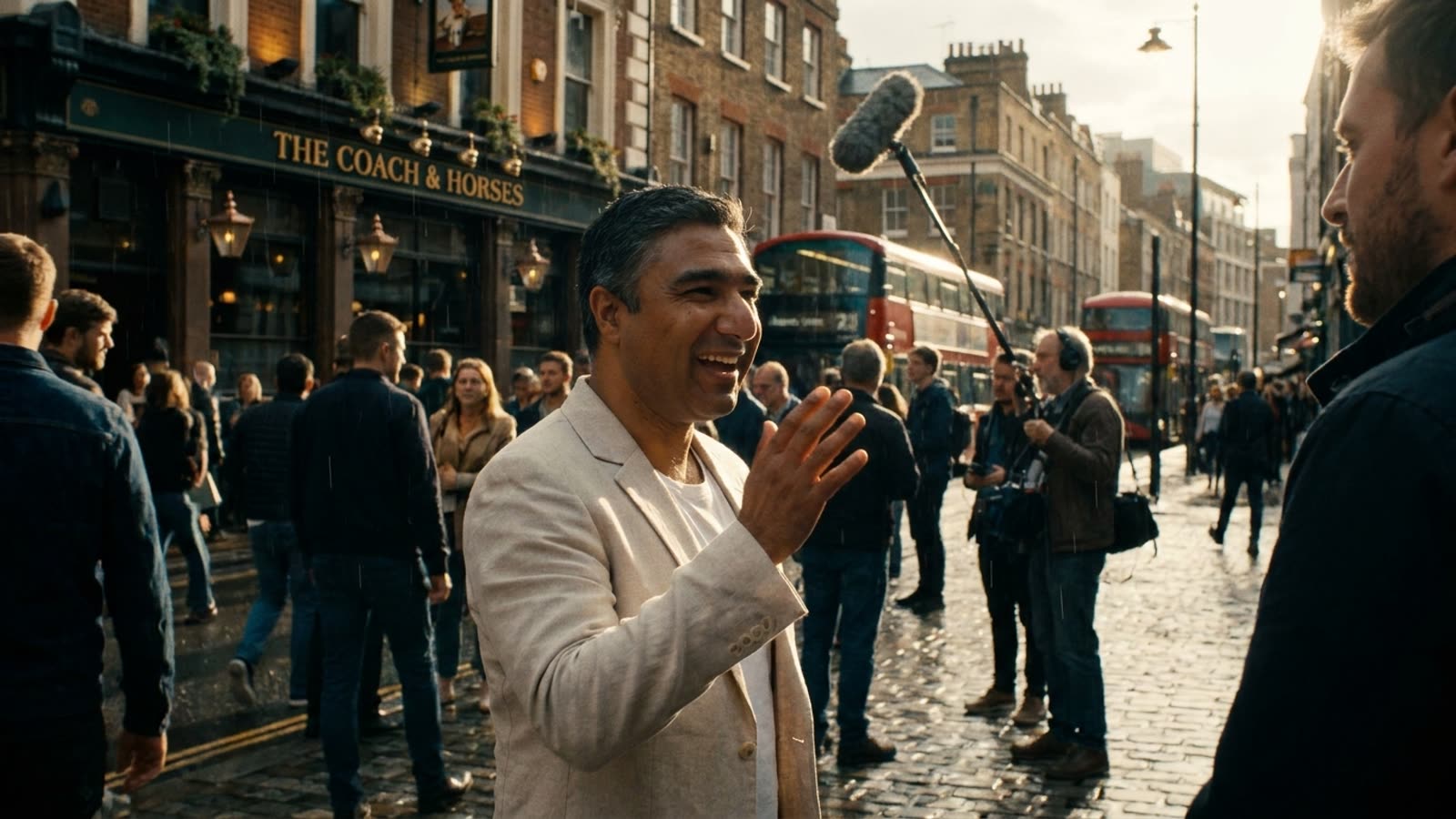
There is a specific trajectory to British stardom that Americans rarely witness up close: the slow accumulation of goodwill through panel shows, the strategic pivot to prestige drama, and then—crucially—the reality television appearance that transforms you from "that guy from the thing" into someone your nan recognises at Tesco. Nick Mohammed, the 44-year-old magician-turned-actor best known as the bumbling Nate Shelley in Ted Lasso, is currently executing this playbook with the precision of a Swiss watch.
Mohammed has emerged from the publicity rounds for Sky's legal thriller War—in which he plays against type in what's being described as "addictively sexy"—with a disarming candour about his own ambitions. "Don't get me wrong, I'm not without ego," he told The Hollywood Reporter this week, before explaining why he agreed to appear on BBC's Celebrity Traitors. His reasoning is worth quoting at length: "Increasingly, I think Celebrity Traitors is an analogy for one's career."
The Nate problem
Mohammed's challenge is one familiar to anyone who's played a villain audiences genuinely despised. His Ted Lasso character arc—from meek kit man to sneering antagonist—was so effective that it threatened to define him permanently. The British entertainment ecosystem, unlike Hollywood's, offers a specific escape route: prove you're a good sport. Celebrity Traitors, the Claudia Winkleman-hosted reality show where celebrities lie to each other's faces for charity, is essentially a national audition for likability. Mohammed's participation signals he understands the assignment.
The prestige hedge
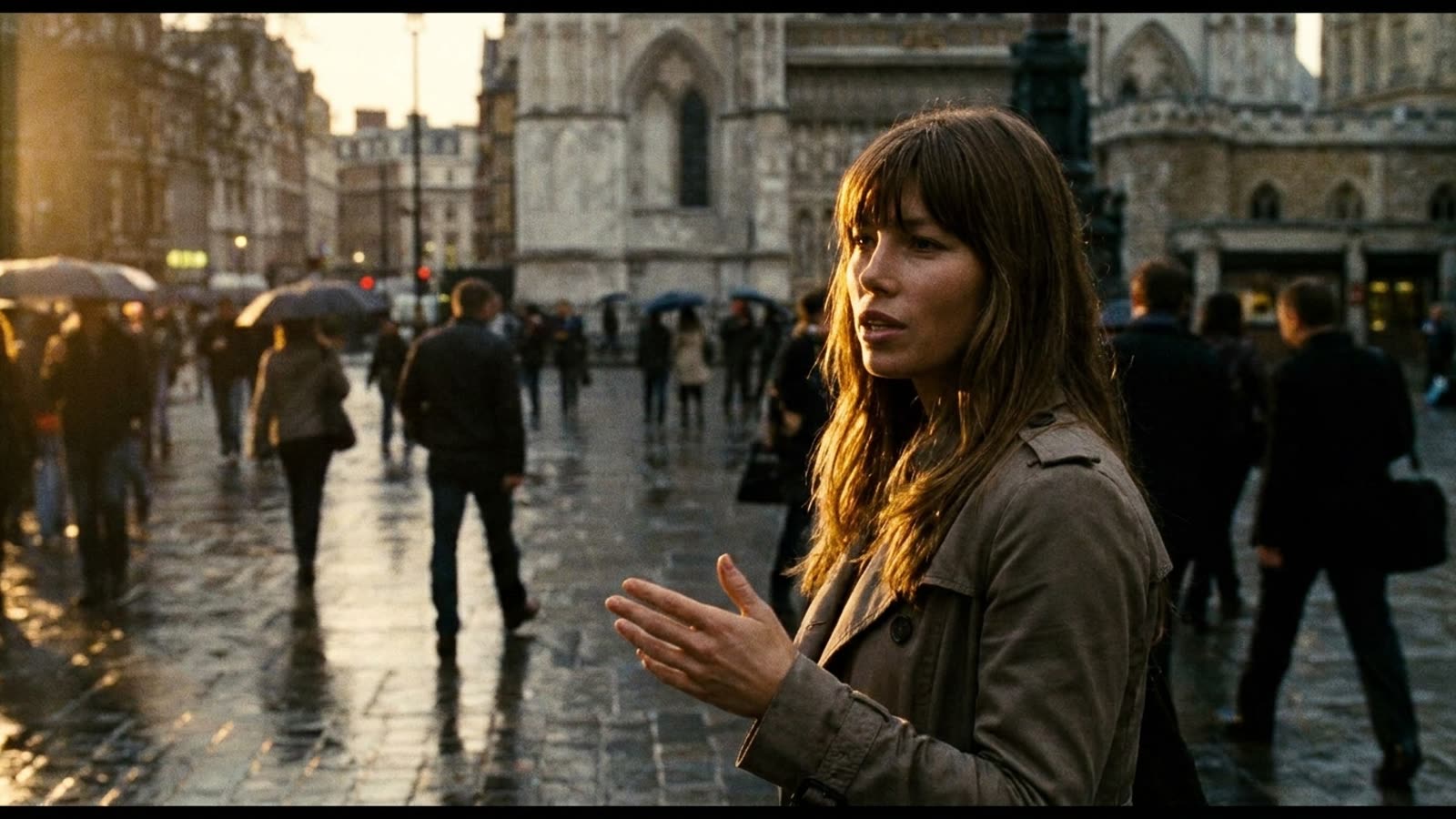
War, meanwhile, provides the dramatic credibility that reality television cannot. The Sky series positions Mohammed in a register entirely foreign to his comedy roots—tense, morally ambiguous, occasionally shirtless. It's the kind of role that agents describe as "range" and critics describe as "unexpected." The timing is deliberate: you cannot pivot to household-name status on treachery alone. You need the BAFTA-adjacent project running in parallel.
The magic trick nobody mentions
Before any of this, Mohammed was a professional magician. It's a biographical detail that gets buried in profiles but explains rather a lot about his approach to fame. Magic is fundamentally about controlling attention—deciding what the audience sees while something else happens entirely. His current media strategy operates on similar principles: the self-deprecating quotes about ego distract from the fact that every move is calculated. The "nicest man in British TV" reputation isn't accidental; it's a trick performed so smoothly you forget to look for the method.
Our take
Mohammed's candour about ambition is refreshing precisely because it's rare. Most actors in his position would perform humility until it became indistinguishable from parody. Instead, he's essentially narrating his own career strategy in real time, trusting that audiences will find the honesty charming rather than off-putting. He's probably right. The British public has an enormous appetite for self-aware strivers who acknowledge the game while playing it. Whether War delivers the dramatic credibility and Celebrity Traitors delivers the warmth remains to be seen—but Mohammed has clearly done the maths. The only question is whether the audience is watching the hand he wants them to watch.