Nicholas Brendon was never supposed to be the cautionary tale. On Buffy the Vampire Slayer, he played Xander Harris — the wisecracking everyman, the moral center without superpowers, the guy who kept showing up. For seven seasons, from 1997 to 2003, he was the reliable sidekick in a show that launched careers and defined a generation's relationship with genre television. Twenty-three years after the finale, Brendon's life has become a grim inversion of his character's arc: a man who keeps showing up, but to courtrooms and hospitals instead of apocalypses.
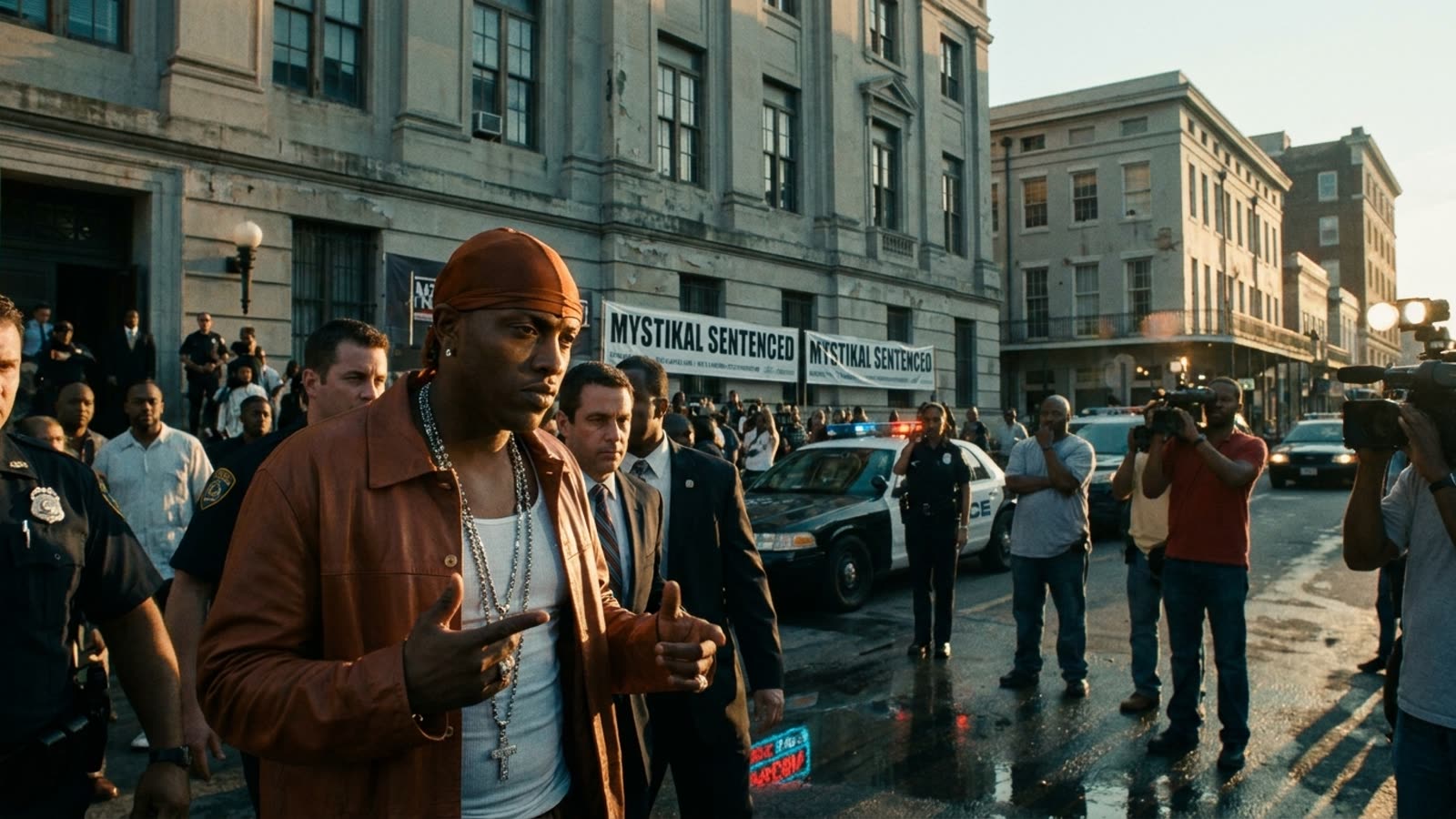
The latest chapter in Brendon's troubles has resurfaced him in tabloid headlines, joining a long pattern of incidents that stretches back more than a decade. Since 2010, he has faced multiple arrests — domestic violence allegations, public intoxication, criminal mischief, resisting arrest. He has spoken publicly about struggles with alcoholism and depression. He has suffered cardiac events and spinal surgeries. Each time, a small flurry of coverage appears, fans express concern, and then silence until the next incident.
The economics of 1990s television fame
Brendon's trajectory illustrates something specific about the era that made him. The late-1990s WB network model created intense parasocial relationships with young audiences but offered limited financial upside for supporting cast members. Unlike today's streaming deals, which can make ensemble players wealthy, network television of that period paid modestly and offered no backend participation for anyone below the title card. When Buffy ended, Brendon was famous enough to be recognized everywhere but not wealthy enough to disappear comfortably. He took convention appearances, small film roles, and a recurring part on Criminal Minds — the standard second-act career of a genre-TV veteran.
The problem is that this career path requires constant public performance while offering little cushion for personal crisis. Convention circuits, in particular, demand emotional availability from actors whose primary asset is nostalgia. For someone battling addiction and mental health challenges, the model is almost perversely designed to prevent recovery.
The Whedonverse's complicated legacy
Brendon's struggles cannot be separated from the broader reckoning with Buffy creator Joss Whedon, who faced allegations of abusive on-set behavior in 2021. Charisma Carpenter, who played Cordelia, described a hostile work environment. Others corroborated. Whedon offered a limited defense and largely retreated from public life. The revelations reframed the show's legacy and invited questions about what its young cast endured during formative years.
Brendon has been notably quiet on the Whedon allegations, neither condemning nor defending his former boss. His silence may reflect legal caution, personal loyalty, or simply the bandwidth limitations of someone managing more immediate crises. But it leaves him in an uncomfortable position: a symbol of a show whose behind-the-scenes reality has grown murkier with each passing year.
Our take
There is no redemption arc to offer here, no third-act recovery to celebrate. Nicholas Brendon is fifty-three years old and has been publicly struggling for longer than Buffy was on the air. The entertainment industry's relationship with its damaged veterans remains extractive — we want their presence at fan conventions, their signatures on memorabilia, their faces triggering our nostalgia, but we have built no infrastructure for their care. Brendon's story is not unique; it is simply more visible than most. The Hellmouth, it turns out, was never in Sunnydale. It was in the contracts.