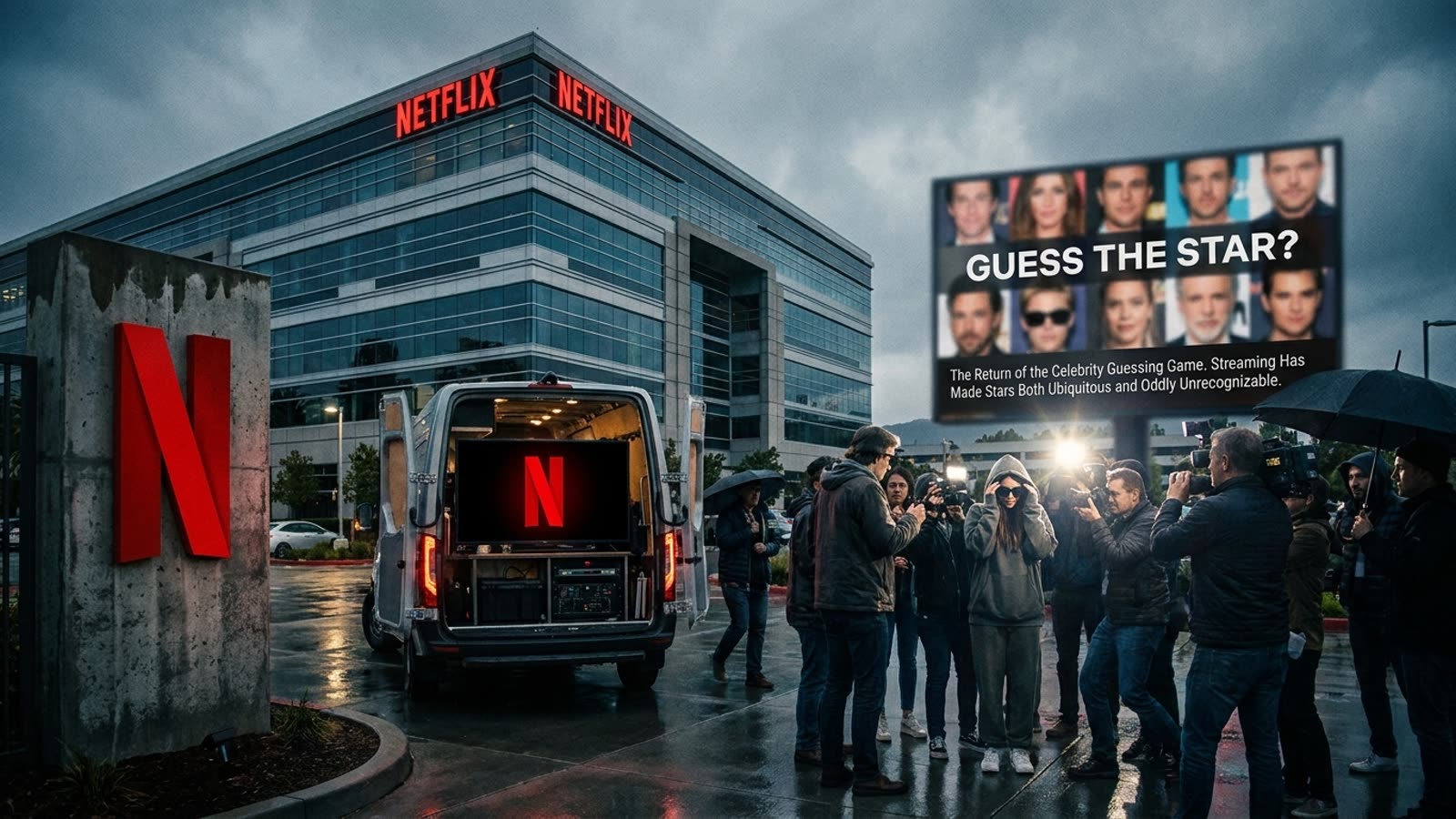
The latest viral parlor game circulating entertainment media asks viewers to identify a Netflix actress from a single photograph—a premise that would have been unthinkable in the studio-system era when a handful of stars dominated public consciousness for decades. That it now constitutes engaging content tells us something uncomfortable about the nature of contemporary celebrity: we consume more faces than ever before while recognizing fewer of them as individuals.
The streaming platforms have created a paradox. Netflix alone releases roughly 500 original titles annually, each requiring casts that cycle through public awareness with the permanence of a TikTok trend. An actress can headline a limited series watched by 50 million households and remain genuinely anonymous to a significant portion of the viewing public six months later. The old Hollywood machine manufactured scarcity; the new one manufactures abundance, and abundance, it turns out, is the enemy of mystique.
The Anonymity Premium
What's emerged is a two-tier celebrity economy. At the top sit the legacy stars—your Streeps, your Pitts—whose fame predates the platform era and carries the weight of cultural consensus. Below them churns an ever-expanding pool of talented performers who achieve something that resembles fame without its traditional markers: tabloid recognition, brand deals that extend beyond Instagram, the ability to open a film on name alone.
This isn't necessarily bad for the performers themselves. Many prefer the arrangement—steady work without paparazzi, professional respect without personal intrusion. But it has fundamentally altered the celebrity-audience relationship. The guessing game format thrives precisely because uncertainty about identity has become normalized. We're no longer embarrassed not to recognize a working actress; we're entertained by it.
Platform Logic Versus Star Logic
The streaming services have little incentive to build individual stars. Their subscription model depends on library depth, not marquee names. A viewer who subscribes for one actress's show and cancels after finishing it represents a failure; a viewer who stays because there's always something new represents success. The platforms want you addicted to the feed, not to any particular face within it.
This creates genuine tension with the talent agencies and publicity machines still operating on old assumptions. The traditional celebrity pipeline—small roles to breakout moment to magazine covers to leading roles—requires each step to build on the last. But streaming's algorithmic recommendations don't care about career arcs. They care about whether your thumbnail gets clicked tonight.
Our take
The guessing game is harmless fun, but it's also an admission of defeat. We've accepted that the entertainment industry now produces faces faster than human memory can catalog them, and we've turned that cognitive overload into content itself. The actresses in these features aren't being celebrated or even really objectified in the traditional sense—they're being processed, sorted, momentarily identified before the next scroll. It's not cruelty; it's just the texture of attention in 2026. Whether that's progress depends entirely on what you thought celebrity was supposed to be for in the first place.