The most subversive figure in American television history wore cardigans knitted by his mother and changed into sneakers at the start of every episode. Fred Rogers, who died in 2003, created a children's program so deceptively simple that it took decades for the industry to understand what he had actually built: a masterclass in emotional intelligence disguised as public broadcasting filler.
Mister Rogers' Neighborhood debuted nationally in 1968 and ran until 2001, accumulating nearly 900 episodes that treated children as complete human beings rather than consumers-in-training. The format was aggressively anti-spectacular—a middle-aged Presbyterian minister speaking directly into the camera, validating feelings, explaining divorce, addressing assassination attempts on public figures. In an era when children's programming meant selling cereal, Rogers was teaching kids that they were worthy of love exactly as they were.
The streaming paradox
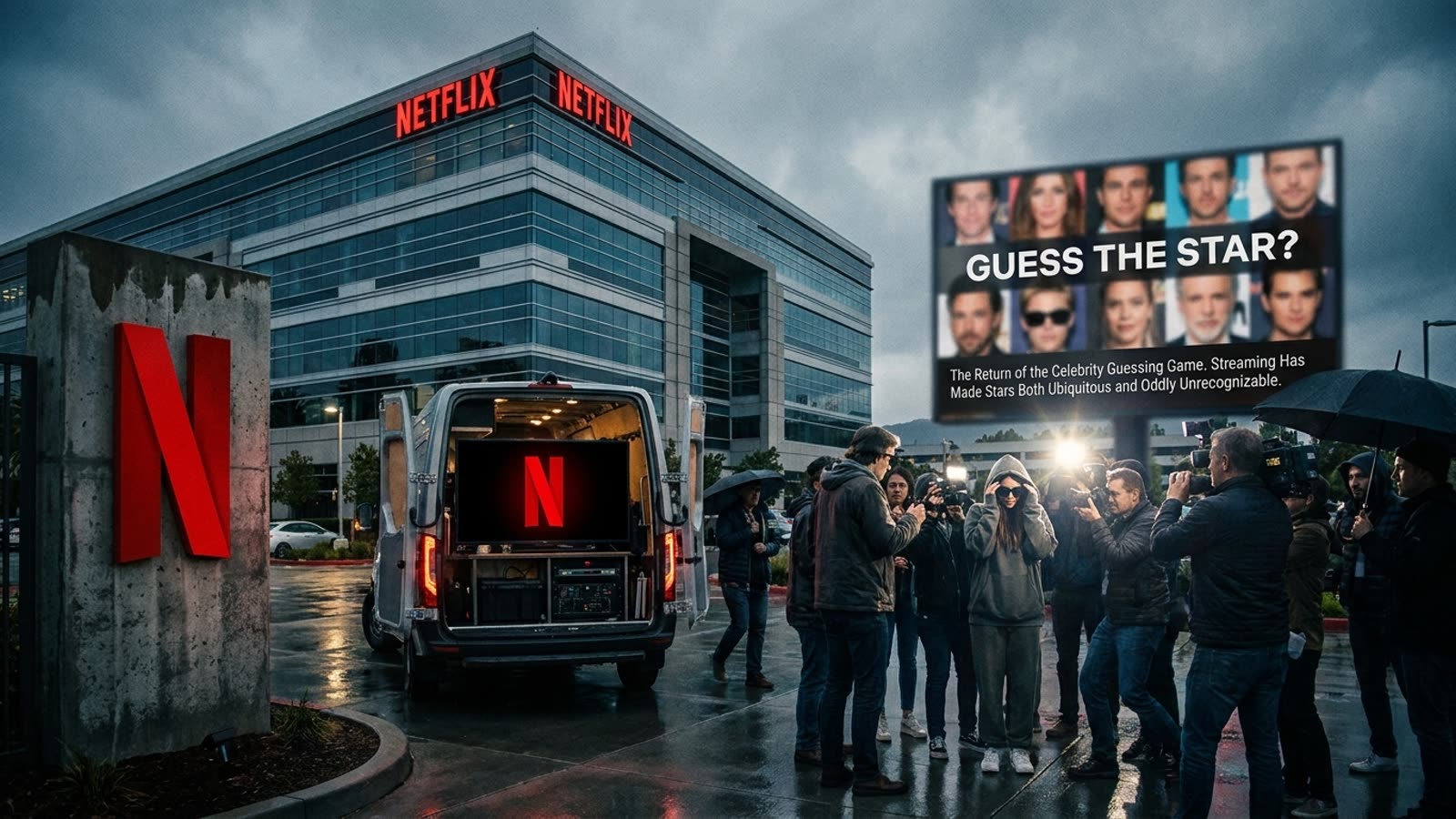
The contemporary children's media landscape would be unrecognizable to Rogers, though not in ways the industry should celebrate. Netflix, Disney+, and YouTube Kids have transformed children's content into an attention-extraction operation, where bright colors and rapid cuts optimize for watch time rather than developmental benefit. The average children's show now features a scene change every few seconds; Rogers once held a minute of silence on camera to demonstrate what sixty seconds actually felt like.
The irony is that Rogers' approach has been vindicated by every subsequent study on childhood development. Slow pacing, direct address, emotional vocabulary—the techniques he pioneered are now recommended by pediatric associations. Yet the economic incentives of streaming push in precisely the opposite direction.
The merchandising monk
Rogers famously refused to license his image for commercial products beyond educational materials, leaving billions in potential revenue on the table. When a company used his likeness without permission, he didn't sue for damages—he asked them to stop because it might confuse children about what he actually endorsed. This wasn't naivety; it was a coherent philosophy about the relationship between adults and the children in their care.
The contrast with contemporary children's media figures is instructive. Today's kid-focused content creators build empires on toy lines, branded snacks, and parasocial relationships engineered to drive merchandise sales. Rogers built an empire on the radical premise that children deserved an adult who wanted nothing from them.
Our take
Fred Rogers understood something that Silicon Valley's attention engineers still haven't grasped: children don't need to be stimulated, they need to be seen. His neighborhood wasn't a product—it was a promise that somewhere on the dial, someone was speaking to kids without an ulterior motive. That such a concept now feels almost impossibly quaint says more about us than it does about him.