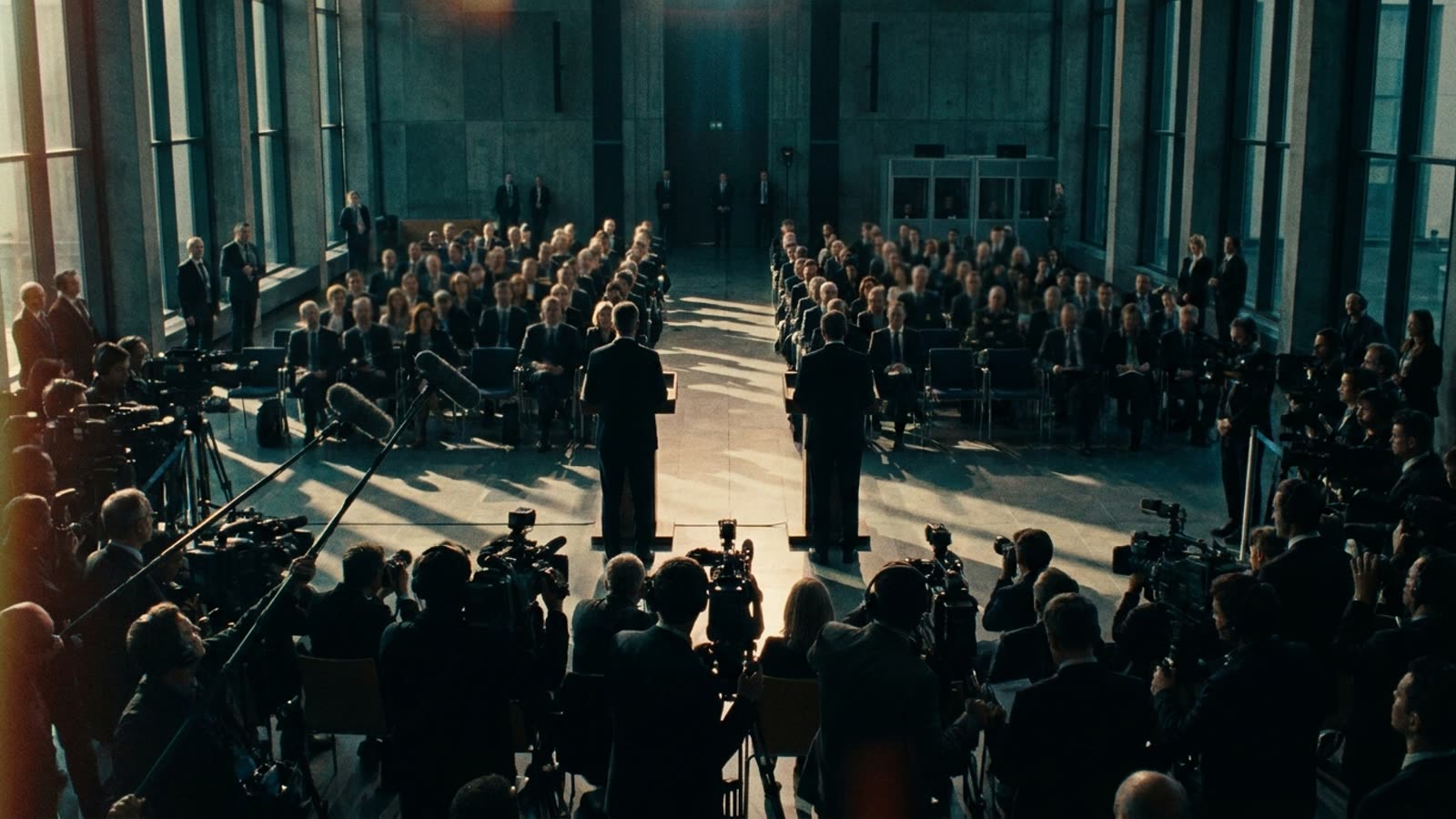
The North Atlantic Treaty Organization was designed to deter Soviet tanks from rolling through the Fulda Gap, not to rubber-stamp American airstrikes in the Persian Gulf. Yet here we are: NATO Secretary General Mark Rutte has publicly backed the latest US strikes on Iran, framing unilateral American military action as somehow falling under the alliance's collective security umbrella.
This is less a display of transatlantic solidarity than a demonstration of how thoroughly NATO's original purpose has been subordinated to Washington's Middle Eastern entanglements.
The endorsement that wasn't required
Rutte's statement at the Ankara summit required no treaty obligation. Article 5—the alliance's mutual defense clause—was not invoked. Iran has not attacked a NATO member. The Secretary General's backing is therefore purely political, a gesture of alignment that commits European capitals to nothing while signaling everything.
The calculation in Brussels is transparent: with President Trump already threatening to slash American troop commitments to Europe and demanding NATO members meet arbitrary spending targets, alliance leaders have concluded that vocal support for US military operations is the price of continued American engagement. The alternative—silence or mild criticism—risks acceleration of the transatlantic divorce that European defense planners have quietly dreaded since 2017.
Europe's uncomfortable position
For European members, the endorsement creates an awkward diplomatic reality. France, Germany, and Italy have spent years cultivating economic relationships with Gulf states and maintaining back-channel communication with Tehran. Rutte's statement—made without formal consultation with member governments—effectively positions the entire alliance as party to an escalating confrontation that most European capitals would prefer to avoid.
The timing compounds the discomfort. With oil prices spiking on fears of sustained conflict in the Strait of Hormuz, European economies face the prospect of an energy shock they did nothing to provoke but will be expected to endure in the name of alliance cohesion. The irony is sharp: NATO was supposed to protect European security, not conscript European economies into American regional conflicts.
The institutional drift
NATO's evolution from defensive pact to all-purpose Western alignment vehicle has been gradual but unmistakable. The alliance's involvement in Afghanistan, Libya, and now its rhetorical support for Middle Eastern operations reflects a fundamental mission creep that member states have been reluctant to confront. Each expansion of scope has been justified as necessary adaptation; collectively, they represent a transformation of the institution's character.
Rutte, the former Dutch prime minister who took the Secretary General role in 2024, has proven adept at managing American expectations while maintaining European buy-in. His endorsement of the Iran strikes follows this pattern: give Washington the public support it demands while extracting no binding commitments from European members.
Our take
NATO's value to European security remains real—the alliance's integrated command structure and American nuclear umbrella provide deterrence that no European alternative could replicate. But Rutte's performance in Ankara illustrates the Faustian bargain that European members have accepted: to preserve American commitment to European defense, they must lend their institutional imprimatur to American actions they neither chose nor control. The Secretary General's endorsement was not a display of alliance strength but an admission of European dependency, dressed in the language of solidarity.