Most voters never think about the number that decides whether their preferred party enters parliament at all. In Germany it is five percent; in Turkey it was raised to seven percent before the 2018 elections; in the Netherlands it hovers around 0.67 percent, effectively nonexistent. These thresholds—minimum vote shares a party must clear to win any seats—are among the most consequential yet least discussed features of representative government. They predate the campaigns, outlast the coalitions, and quietly determine which voices count.
The logic behind thresholds sounds reasonable: prevent legislative fragmentation, exclude fringe extremists, ensure governability. Weimar Germany's threshold-free system famously allowed dozens of tiny parties into the Reichstag, contributing to the paralysis that preceded catastrophe. Post-war constitutions across Europe drew the lesson that some barrier was prudent.
The math of exclusion
But thresholds do not merely filter out the marginal. A five percent barrier in a country of fifty million voters means roughly 2.5 million citizens can vote for a party and receive zero representation. In Turkey's 2002 election, an astonishing 45 percent of votes went to parties that failed to clear the then-ten-percent threshold—the highest wasted-vote share in any modern democracy. The ruling AKP won a two-thirds parliamentary supermajority with barely a third of the popular vote.
Thresholds also create perverse incentives. Voters engage in strategic desertion, abandoning their true preference for a larger party likely to clear the barrier. Pollsters become kingmakers: a survey showing a party at 4.8 percent can trigger a self-fulfilling collapse as supporters flee to "useful" alternatives. The threshold thus distorts not only outcomes but the campaign itself.
Who sets the bar
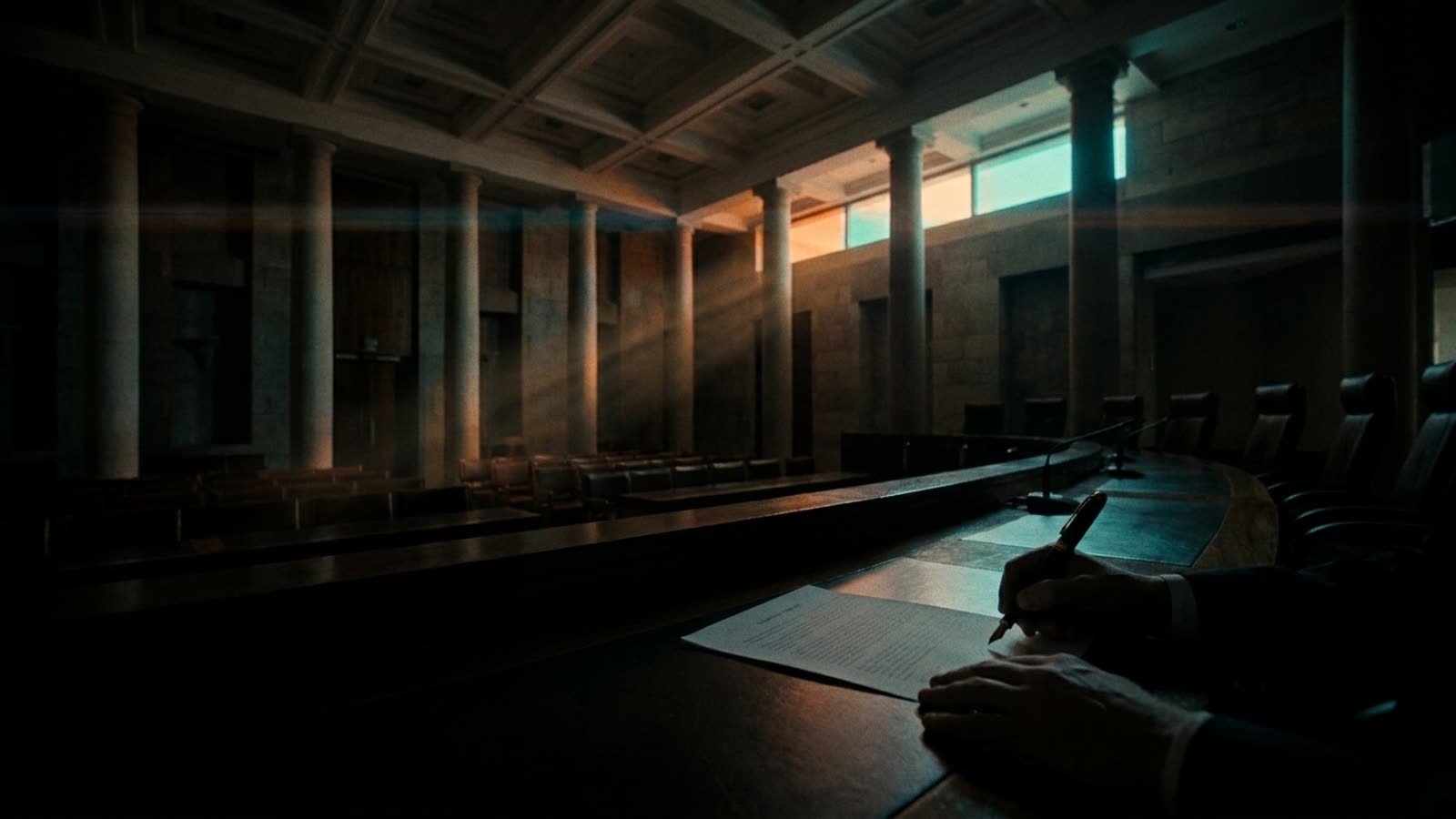
The deeper problem is that thresholds are typically set by parliaments—meaning incumbent parties choose the rules governing their future competitors. Raising the threshold is a classic tool of democratic backsliding-lite: not outright authoritarianism, but a thumb on the scale. Poland's ruling coalition in 2001 raised the threshold for coalitions to eight percent shortly before an election, a move widely seen as targeting a specific rival alliance. Hungary's Fidesz government restructured electoral geography and threshold rules together, compounding advantages.
Even where motives are benign, path dependency locks in arbitrary choices. Germany's five percent dates to 1949 and a particular fear of Weimar's ghosts; whether it remains appropriate for a twenty-first-century electorate is rarely debated. Israel's threshold crept upward from one percent to 3.25 percent over decades, each increment justified as promoting stability, each increment making it harder for new movements to break through.
The low-threshold alternative
The Netherlands offers a counter-model. Its near-zero threshold produces parliaments with fifteen or more parties, yet the country has maintained stable coalition governments for generations. The Dutch experience suggests that fragmentation is manageable if political culture emphasizes negotiation—and that high thresholds may be treating a symptom rather than a cause.
Scandinavian countries split the difference with thresholds around four percent but also "leveling seats" that compensate for distortions, softening the winner-take-all edge. New Zealand's mixed-member system allows a party below the five percent threshold to win seats if it captures a single constituency outright, preserving geographic representation for concentrated minorities.
Our take
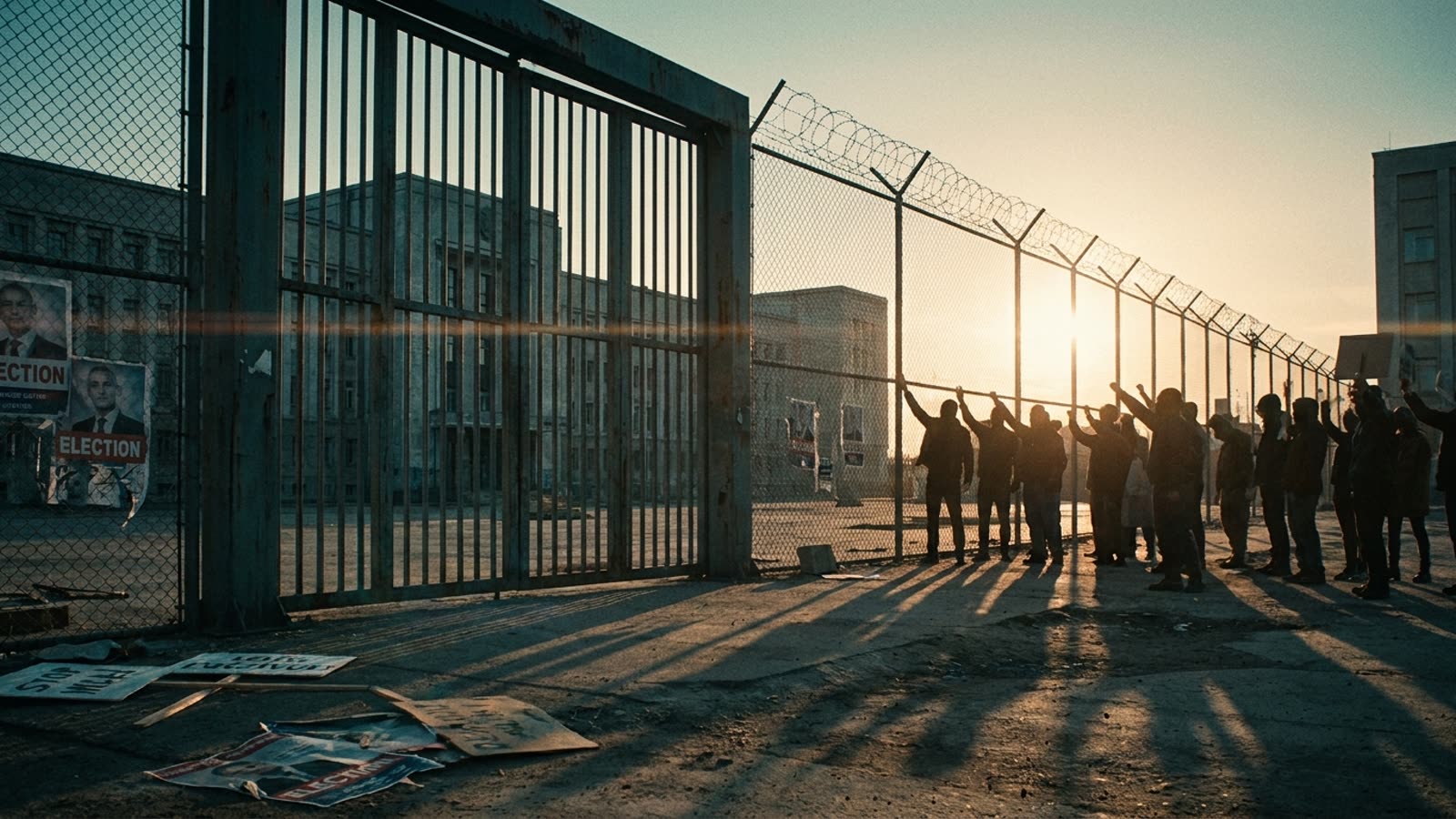
Electoral thresholds deserve the scrutiny we lavish on campaign finance or gerrymandering. They are not neutral technical parameters; they are political choices with political consequences, often made by the very actors who benefit from them. A democracy that prides itself on representation should at minimum require supermajorities or referenda to change the rules of entry—and should periodically ask whether the number on the gate still serves the public or merely the incumbents behind it.