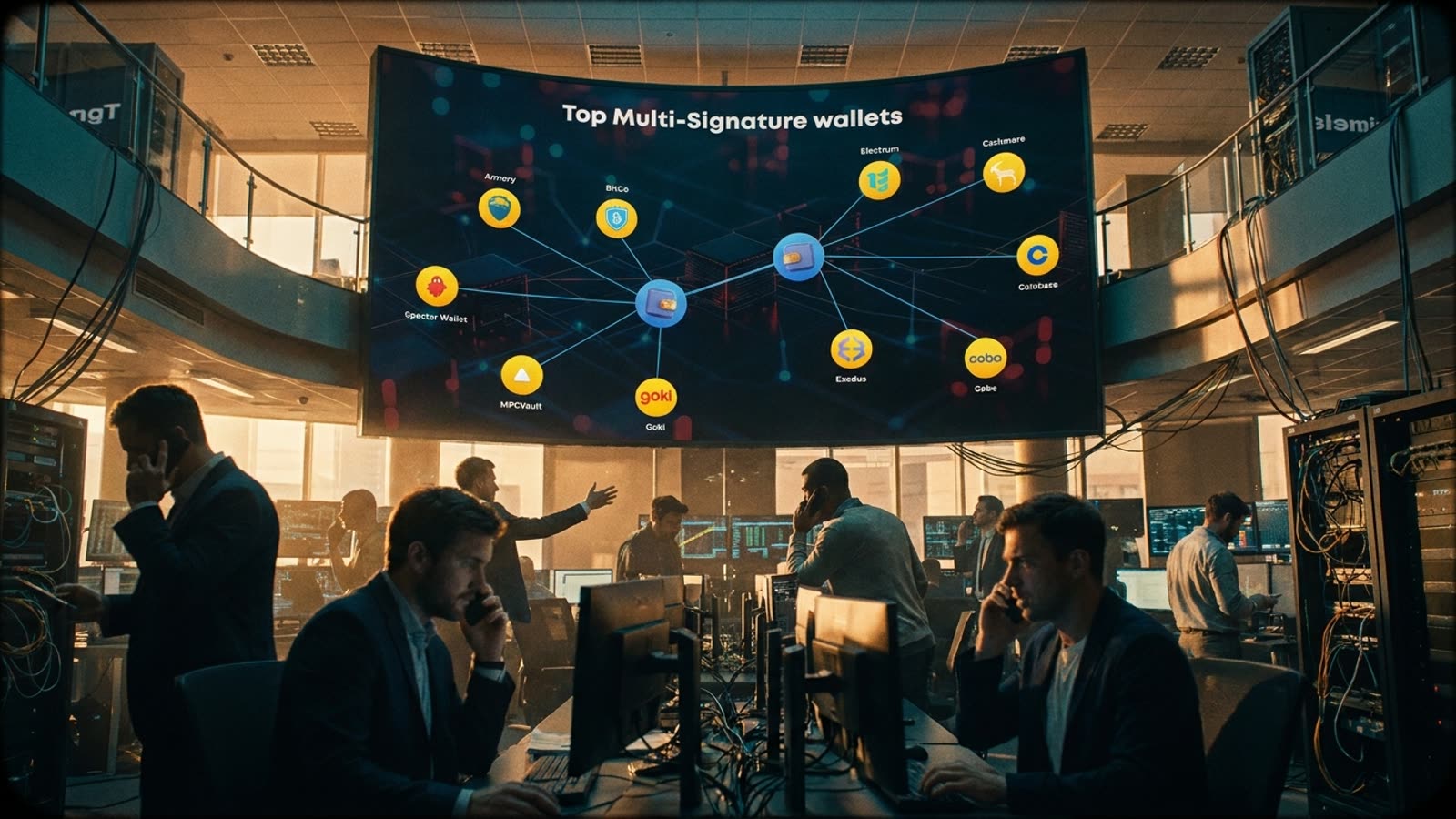
The single greatest vulnerability in cryptocurrency is not the code—it is the human holding the key. One compromised laptop, one moment of carelessness, one disgruntled employee, and funds vanish into the irreversible void of the blockchain. The multisig wallet exists to solve this problem by making unilateral action impossible.
Multi-signature technology requires multiple private keys to authorize a transaction, typically configured as "M-of-N"—meaning M signatures from a pool of N keyholders must agree before funds move. A 2-of-3 setup, for instance, demands two approvals from three possible signers. This simple arithmetic transforms custody from a single point of failure into a distributed trust architecture.
The mechanics beneath the abstraction
When you create a multisig wallet, you are not simply adding passwords. You are constructing a cryptographic contract that lives on the blockchain itself. Each keyholder possesses a unique private key, and the wallet's address is derived from the combination of all participating public keys. To spend, a keyholder proposes a transaction and signs it with their key. The partially-signed transaction then circulates—via secure channels, hardware devices, or specialized coordination software—until the required threshold of signatures accumulates. Only then does the blockchain accept the transaction as valid.
Bitcoin implemented this natively through Pay-to-Script-Hash addresses. Ethereum and its descendants handle it through smart contracts, which offer more flexibility but introduce their own attack surface. The distinction matters: native multisig benefits from the base layer's security guarantees, while contract-based multisig inherits whatever bugs the contract code contains.
Where multisig earns its keep
Institutional custody is the obvious application. Exchanges holding customer deposits, venture funds managing portfolios, and corporate treasuries all face the same dilemma: grant one person god-mode access and pray they remain trustworthy, or distribute authority and accept coordination costs. Multisig makes the second option practical. A 3-of-5 configuration among company officers means no single executive can abscond with funds, no single hacked laptop can drain the vault, and the loss of two keys does not lock everyone out permanently.
Decentralized autonomous organizations use multisig to execute governance decisions. When token holders vote to allocate treasury funds, the actual disbursement typically requires multiple signers—often elected stewards—to confirm the transaction. This prevents a compromised governance contract from immediately emptying the coffers.
Even individuals benefit. A 2-of-3 personal setup might distribute keys across a hardware wallet at home, a second device in a bank safe-deposit box, and a trusted family member. Lose your house to fire, and you can still recover. Forget your seed phrase, and your brother can help. Neither your brother nor a burglar can act alone.
The tradeoffs nobody advertises
Multisig is not magic. Coordination overhead is real: gathering signatures across time zones, managing key ceremonies, and handling the inevitable "I forgot my hardware wallet at the office" delays. Response time to market opportunities or emergencies slows proportionally to the number of required signers.
Key management complexity multiplies. Each additional keyholder is another potential point of compromise, another person who might die without proper succession planning, another device that might fail. The security gain from distribution must outweigh the expanded attack surface.
Smart-contract-based multisig introduces code risk. Several high-profile wallet contracts have been exploited over the years, sometimes freezing or draining hundreds of millions in user funds. Audits help but cannot guarantee safety. Native multisig avoids this layer but offers less programmable flexibility.
Our take
Multisig is not a product feature to check off a list—it is a philosophy of custody that acknowledges human fallibility and institutional politics. The technology forces organizations to answer uncomfortable questions before disaster strikes: Who do we trust? How much? Under what conditions? The wallet that requires three signatures to move funds has already survived the conversation that wallet security requires. That conversation, more than any cryptographic primitive, is what actually protects the money.