The criticism arrives like clockwork: Bitcoin mining consumes roughly 150 terawatt-hours annually, more than entire nations like Argentina or Norway. Environmental groups decry the carbon footprint. Regulators threaten restrictions. Yet Bitcoin's energy consumption isn't an unfortunate side effect of poor design — it's the entire security model.
The thermodynamic fortress
Bitcoin's proof-of-work mechanism converts electricity into computational lottery tickets. Miners race to solve cryptographic puzzles, with the winner earning the right to add the next block of transactions. This isn't busywork. The energy expenditure creates an economic barrier against attackers: rewriting transaction history would require out-computing the entire honest network, burning millions of dollars in electricity per hour.
The genius lies in the economics. Attacking Bitcoin doesn't just require massive computational power — it requires sustaining that power longer than the honest network, hemorrhaging money with each failed attempt. The electricity bill becomes Bitcoin's immune system. Unlike traditional financial systems that rely on laws, regulations, and trusted intermediaries, Bitcoin's security emerges from pure thermodynamics.
The mining migration
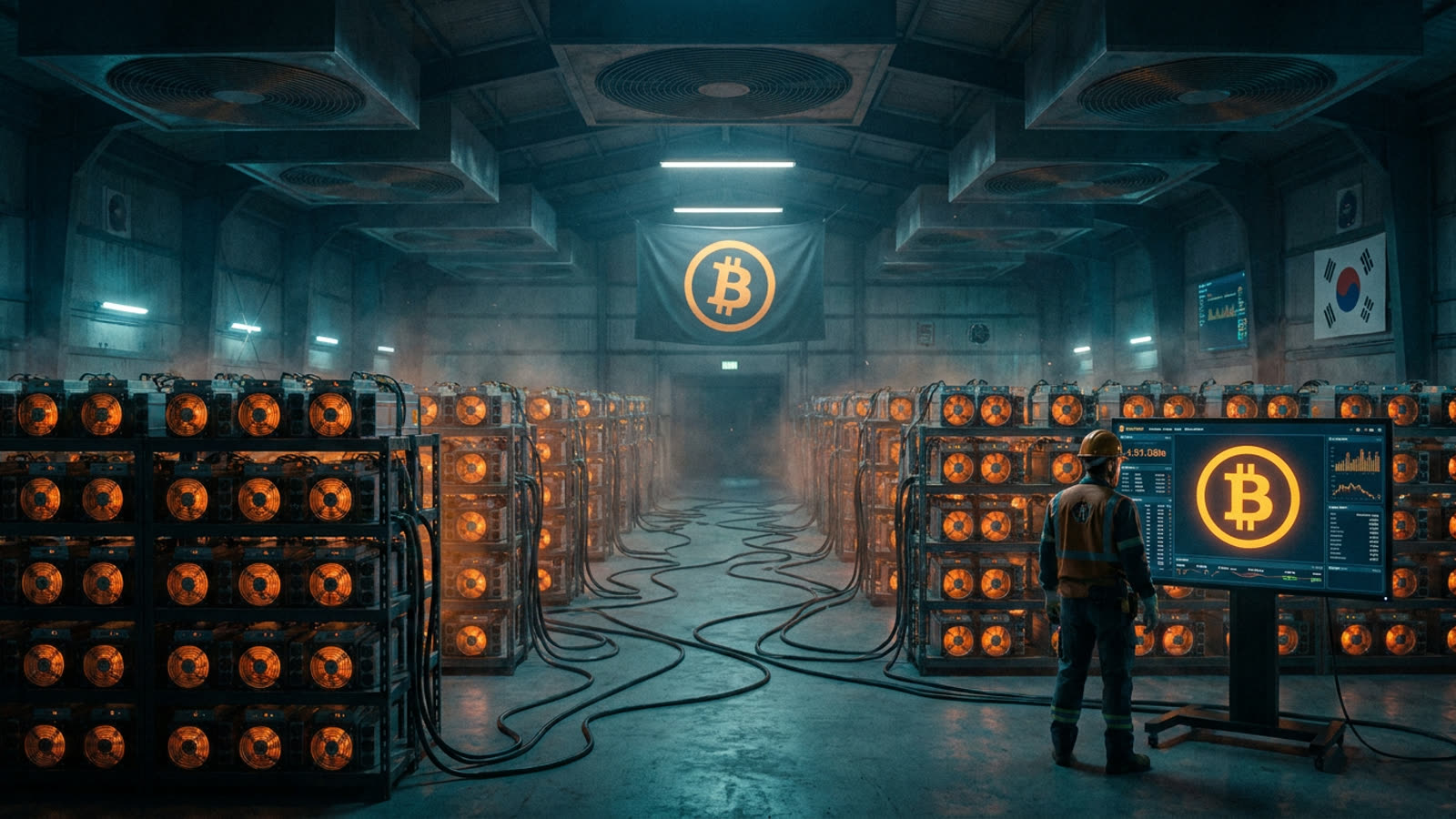
Bitcoin mining naturally migrates to the cheapest electricity on Earth, creating an unusual economic phenomenon. Stranded energy assets — hydroelectric dams in remote Sichuan, geothermal vents in Iceland, flared gas in Texas oil fields — suddenly find a customer willing to pay for power anywhere, anytime. Miners become energy market arbitrageurs, monetizing electricity that would otherwise go to waste.
This creates perverse incentives that confound traditional analysis. A coal plant might keep running to mine Bitcoin, but a wind farm might finally get built because Bitcoin mining provides guaranteed demand during off-peak hours. The network doesn't care about the source, only the cost. This source-agnostic demand has made Bitcoin mining approximately 50-60% renewable, though precise figures remain contentious.
The efficiency paradox
Critics often propose "more efficient" alternatives: proof-of-stake, where validators post collateral instead of burning electricity. Ethereum's 2022 transition to proof-of-stake reduced its energy consumption by 99.95%. But Bitcoin's defenders argue this misses the point entirely. The inefficiency is the feature. Energy expenditure provides an objective, unforgeable cost that anchors Bitcoin's security in physical reality.
Proof-of-stake systems, they argue, recreate the very power structures Bitcoin was designed to escape: wealth begets more wealth, large stakeholders control the network, and security ultimately depends on social consensus rather than thermodynamic law. The wastefulness of proof-of-work becomes its greatest virtue — a system so expensive to attack that it achieves security through pure economic incentive.
Our take
Bitcoin's energy debate reveals a fundamental tension in how we value computational systems. Traditional finance secures trillions with laws, guards, and social trust — costs we don't measure in kilowatt-hours. Bitcoin offers an alternative: security through waste, trust through thermodynamics. Whether this trade-off proves worthwhile depends largely on how much you value a monetary system that operates outside traditional power structures. The electricity bill isn't a bug to be fixed but a price tag on mathematical certainty in an uncertain world.