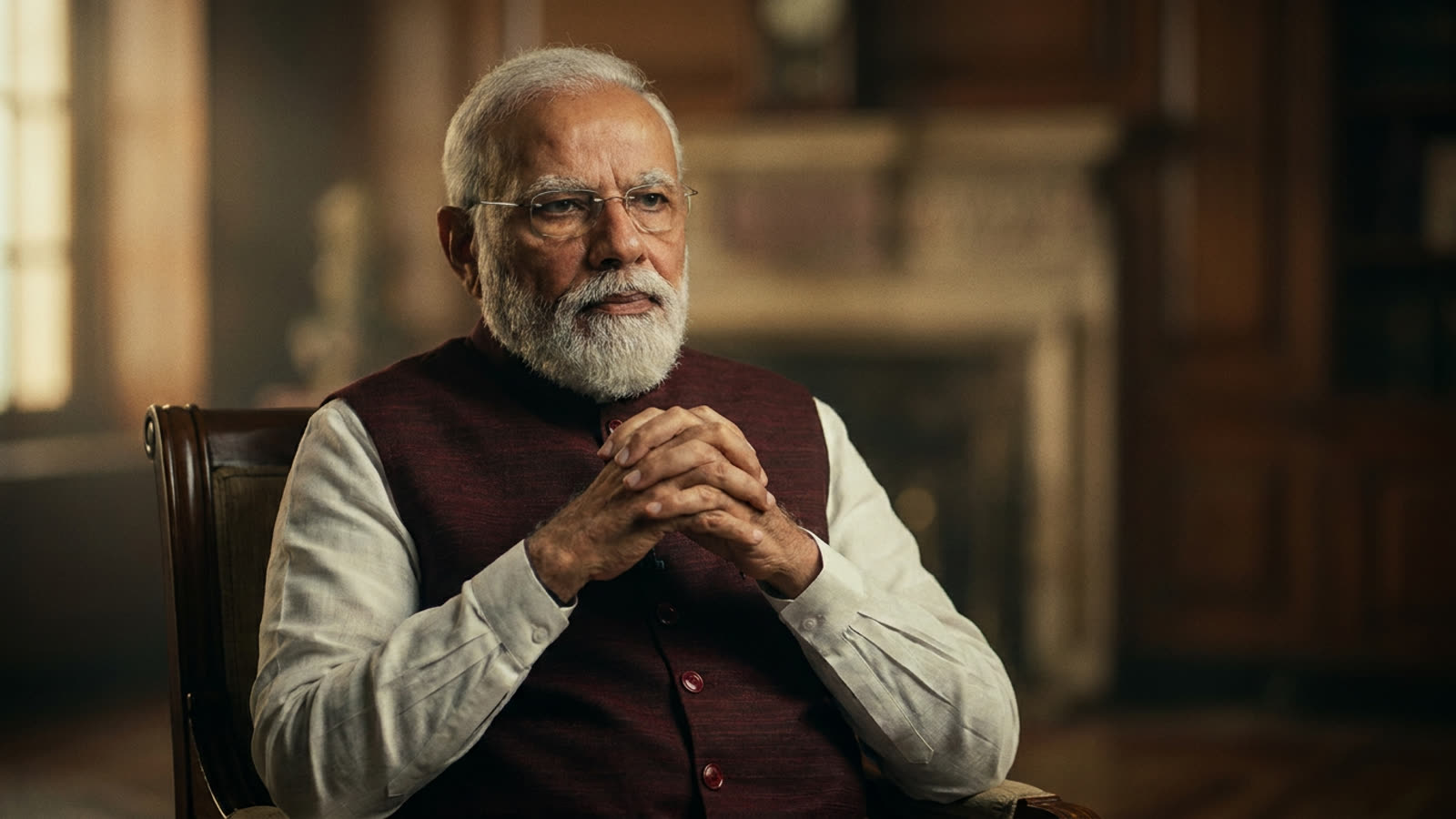
Narendra Modi's address to the nation on Sunday was not the chest-thumping performance Indians have come to expect from their prime minister. It was a plea. Work from home. Limit gold purchases. Cancel foreign holidays. Conserve every dollar you can.
The subtext was unmistakable: India is running out of foreign exchange faster than the government wants to admit, and the Gulf crisis that began as a geopolitical abstraction is now reaching into the household budgets of ordinary Indians.
The arithmetic of vulnerability
India imports roughly 85 percent of its crude oil, and a significant share of that flows through the Strait of Hormuz. With the waterway effectively closed and no resolution in sight—Donald Trump declared Iran's latest response "unacceptable" just hours before Modi's speech—New Delhi is burning through reserves to pay for costlier, longer-routed shipments. The rupee has weakened sharply, making every barrel more expensive still.
Gold, India's second-largest import category and a cultural staple, compounds the problem. Every wedding season drains billions in hard currency. Modi's appeal to curb purchases is politically risky in a country where gold is both savings vehicle and status symbol, but the math leaves him little choice.
A test of the Modi model
For a decade, Modi has sold Indians on the promise of a rising power—new highways, digital payments, a seat at the global table. Asking citizens to tighten their belts is a jarring reversal. The government insists this is temporary prudence, not crisis management, but the optics tell a different story. State-owned refiners are reportedly rationing diesel allocations to non-essential industries. Airlines are warning of fuel surcharges.
The opposition Congress party was quick to pounce, calling the address an admission of policy failure. Yet there is little Modi's critics can credibly promise either; India's energy dependence is structural, not partisan.
Our take
Modi's speech marks the moment the Gulf conflict stopped being a foreign-policy story and became an inflation story, a savings story, a wedding-season story. India is not unique in its exposure—Europe and Japan face their own reckonings—but few leaders have been forced to make the ask so publicly. The next few months will test whether a government built on aspirational nationalism can hold together when the aspiration is simply to keep the lights on.