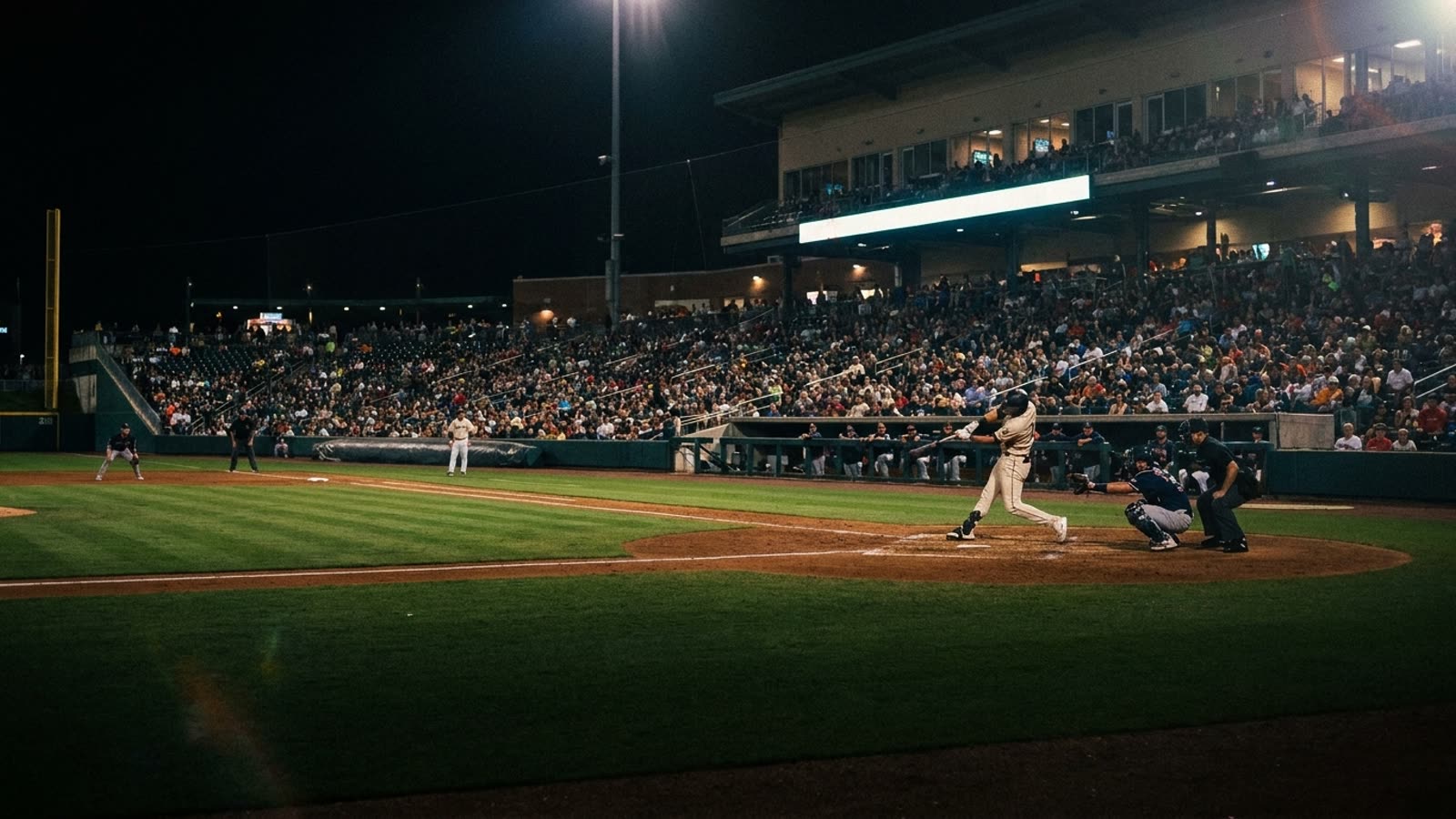
The annual reshuffling of baseball's prospect rankings is typically a bloodless exercise in scouting consensus. This week's update carries more weight: there is a new No. 1 prospect in the game, and the churn beneath him suggests the sport's developmental landscape is shifting faster than at any point since the international signing-bonus reforms of the mid-2010s.
Prospect lists matter because they are baseball's futures market. Teams trade present-day assets for names on these lists; free agents weigh farm-system depth when choosing destinations; and fans—particularly those enduring multi-year rebuilds—cling to rankings as evidence that suffering has purpose. When the consensus No. 1 changes, it is not merely trivia. It recalibrates trade values across all 30 organizations.
The acceleration problem
What distinguishes this cycle is velocity. Prospects are moving through systems faster, arriving in the majors younger, and flaming out quicker when they fail. The old model—three full minor-league seasons of seasoning—has given way to aggressive promotions driven by analytics departments confident they can identify readiness earlier. The result is a compressed window: a top-10 prospect today may be a struggling big-leaguer or a perennial All-Star within 18 months. There is less time for evaluators to be wrong.
This acceleration benefits large-market clubs with the resources to absorb mistakes and the payroll flexibility to surround young players with veterans. Smaller-market teams, which historically leveraged superior development to compete, now face a narrower margin for error. Miss on a top prospect, and the rebuild extends another half-decade.
What the new rankings reveal
The movement in the top 50 reflects several trends: a premium on two-way athleticism, a correction in how evaluators weigh strikeout rates for pitchers, and a quiet acknowledgment that the international amateur market is producing more polished talent than the domestic draft. Clubs that invested heavily in Latin American infrastructure a decade ago are now reaping disproportionate returns.
For contenders, the message is clear: if you have a consensus top-25 prospect and a chance to win now, the trade calculus has shifted toward dealing him. The half-life of prospect value is shrinking. For rebuilders, the opposite applies—stockpile aggressively, because the next wave is already forming behind this one.
Our take
Prospect rankings are baseball's version of a credit rating: imperfect, occasionally gamed, but consequential enough that everyone pretends to believe in them. The new No. 1 will face pressure no 20-year-old should have to shoulder, and the odds favor him disappointing relative to expectations. That is not cynicism; it is history. What matters more than any individual name is the systemic shift the rankings reveal—baseball's developmental arms race is accelerating, and the teams that adapt fastest will define the next decade of competition.