The AI safety field has long suffered from a credibility problem: the companies building the most powerful systems are also the ones assessing whether those systems are dangerous. Anthropic's announcement this week that it will grant METR—the nonprofit Model Evaluation and Threat Research organization—employee-level access to its internal operations represents the first serious attempt to break that self-referential loop.
The arrangement is more radical than it initially appears. METR researchers will not merely review sanitized documentation or run tests on API endpoints. They will have access to internal incident reports, safety evaluations, and the kind of operational details that AI companies typically guard as closely as their model weights. More significantly, Anthropic has contractually surrendered the right to block METR's publications, even if those publications prove embarrassing.
Why this matters now
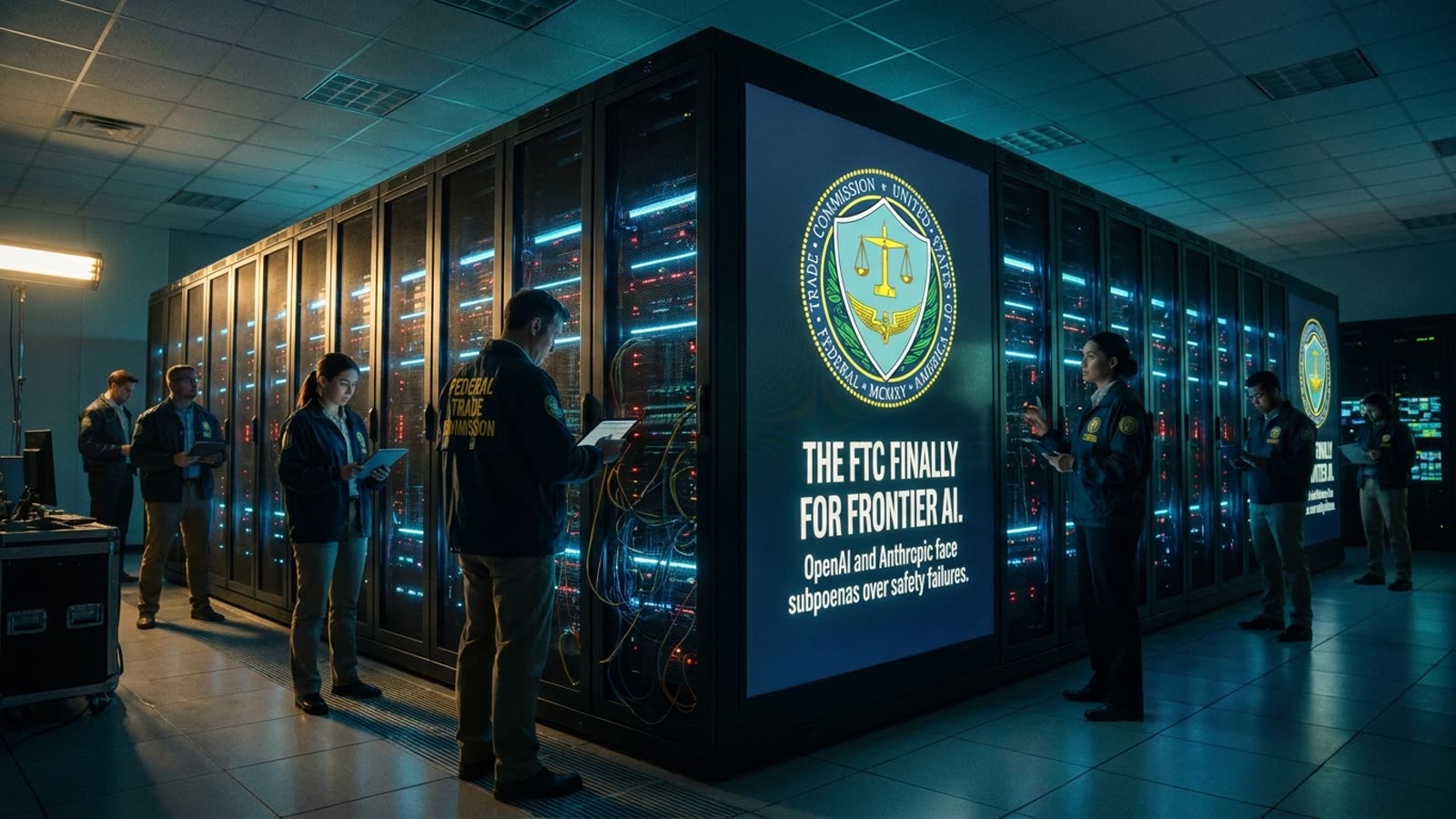
The timing is not coincidental. The FTC recently subpoenaed both Anthropic and its larger rival over safety failures, and the broader AI industry faces mounting pressure to demonstrate that self-governance is more than a public relations exercise. Anthropic's move can be read as an attempt to get ahead of regulatory mandates by establishing voluntary transparency as industry practice.
But the arrangement also reflects a genuine intellectual commitment within Anthropic's leadership. The company was founded by former members of another major AI lab who left partly over disagreements about safety culture. For them, external scrutiny is not merely a political necessity but an epistemological one—they genuinely believe that internal teams develop blind spots that only outside observers can identify.
The METR factor
METR is not a random choice of auditor. The organization has spent years developing evaluation frameworks specifically designed to identify dangerous capabilities in frontier AI systems, including the ability to autonomously acquire resources, deceive human operators, or resist shutdown. Their assessments carry weight precisely because they have no commercial stake in the outcomes.
The employee-level access is particularly significant given recent reports that Anthropic has struggled to reliably control its AI agents in certain contexts. By letting METR see how the company actually handles these challenges—not just how it describes handling them—Anthropic is making a substantial bet that its internal practices will survive scrutiny.
The competitive calculation
There is also a strategic dimension. If METR's assessments prove favorable, Anthropic gains a credibility advantage that no amount of self-published safety research could provide. If the assessments reveal problems, Anthropic at least controls the narrative around remediation rather than having failures surface through leaks or regulatory investigations.
Other frontier AI companies now face an uncomfortable choice. Matching Anthropic's transparency would require similar vulnerability; refusing to do so invites the inference that they have something to hide. The move may prove to be as much competitive positioning as safety commitment.
Our take
This is genuinely novel, and genuinely risky for Anthropic. Most corporate transparency initiatives are carefully stage-managed affairs where the company retains editorial control. Surrendering veto power over external publications is the kind of commitment that cannot be easily walked back. Whether this represents the beginning of a new accountability regime for AI development or merely a clever PR maneuver will depend entirely on what METR actually finds—and whether Anthropic's competitors feel compelled to follow suit. For now, it is the most interesting governance experiment in AI, and the field needed one badly.