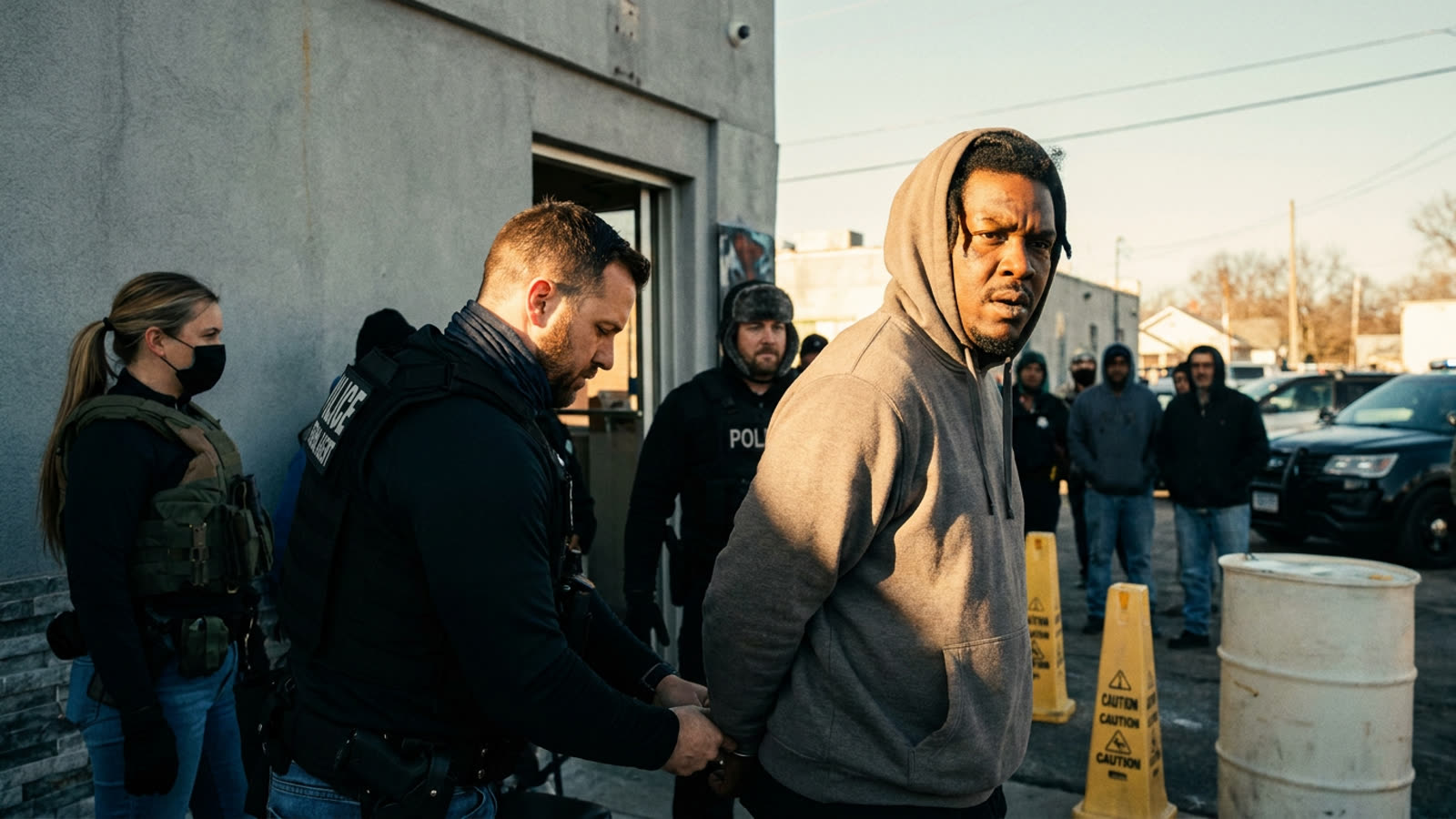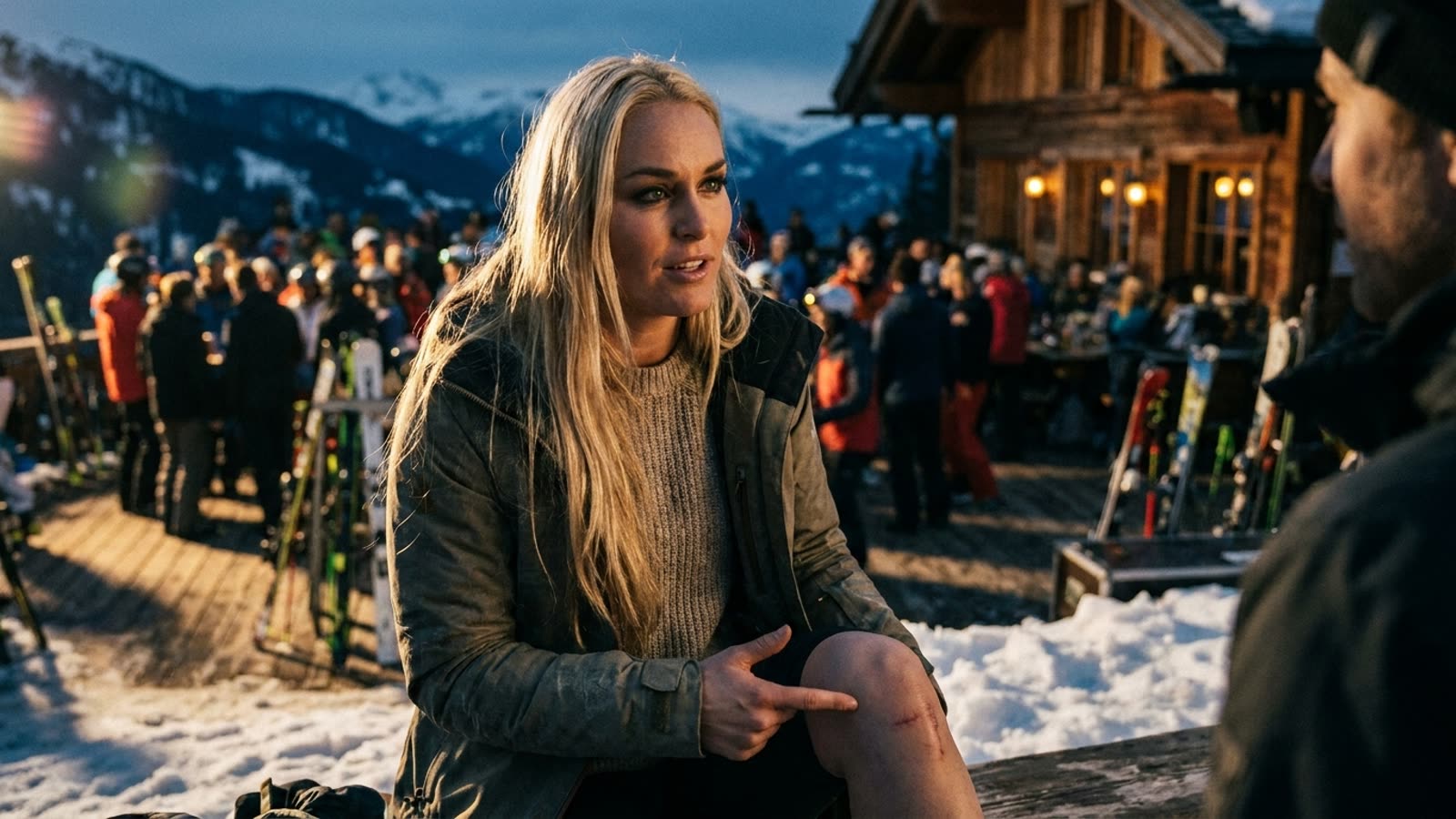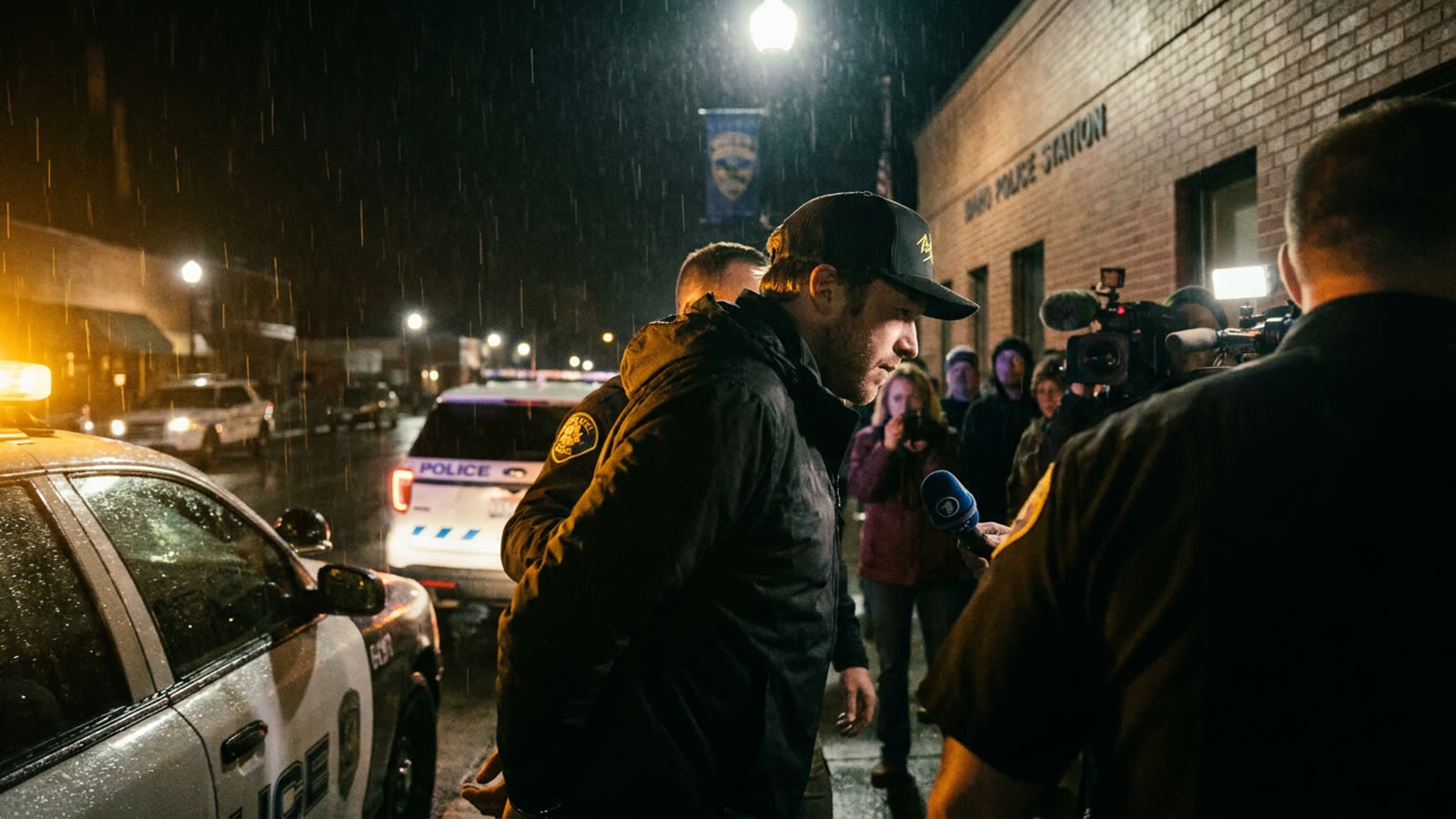
Bode Miller, who won six Olympic medals and remains the most decorated American alpine skier in history, was arrested in Idaho on drug-related charges this week—a development that lands somewhere between genuinely shocking and grimly predictable for anyone who has followed the 48-year-old's turbulent second act.
The details remain sparse. Miller was booked on two misdemeanor drug charges — possession of a controlled substance and drug paraphernalia, according to Idaho law enforcement records. His representatives have not issued a public statement. But the arrest itself is already reverberating through the small, insular world of skiing, where Miller's name still carries the weight of a generation's worth of highlight reels: the 2005 World Cup overall title, the 2010 Vancouver super-combined gold, the 2014 Sochi super-G bronze that made him the oldest alpine medalist in Olympic history.
The complicated hero
Miller was never the sanitized champion that sponsors crave. He raced hungover. He told reporters he didn't care about medals. He clashed with the U.S. Ski Team so frequently that he once competed as an independent, funding his own program. The skiing public loved him anyway—or perhaps because of it. His talent was so extravagant, his lines so audacious, that the chaos read as authenticity rather than self-sabotage.
Retirement, which came officially in 2017, did not smooth the edges. Miller pivoted to business ventures (a ski academy, a line of equipment) and family life with professional volleyball player Morgan Beck. Then, in 2018, their 19-month-old daughter Emmy drowned in a neighbor's pool—a tragedy that Miller and Beck have spoken about publicly in the years since, advocating for water-safety education. The grief was visible and ongoing.
What Idaho tells us
An arrest is not a conviction, and misdemeanor drug charges in Idaho can encompass everything from methamphetamine to prescription painkillers obtained without a valid script. The state's drug laws are among the harshest in the country; simple possession of many controlled substances is automatically a misdemeanor. Context matters, and we do not yet have it.
What we do have is a pattern familiar to anyone who studies elite athletes after the applause stops. The transition out of professional sports is brutal even for those who retire on their own terms. For skiers, whose careers peak early and whose bodies absorb punishment that would sideline most humans, the drop-off can be especially steep. Miller spent decades managing pain at the highest level; the question of how that management evolves when the medals stop coming is one the sports-medicine community has only begun to address honestly.
Our take
Bode Miller deserves the same presumption of innocence as anyone else facing charges. He also deserves scrutiny, because he spent two decades as a public figure who invited it. The arrest is a data point, not a verdict—but it is a data point that fits uncomfortably well into a broader story about what happens when extraordinary athletes become ordinary civilians. If Miller's next chapter involves recovery, advocacy, or accountability, that would be worth covering too. For now, the booking photo is the only statement we have, and it says more than his representatives' silence.