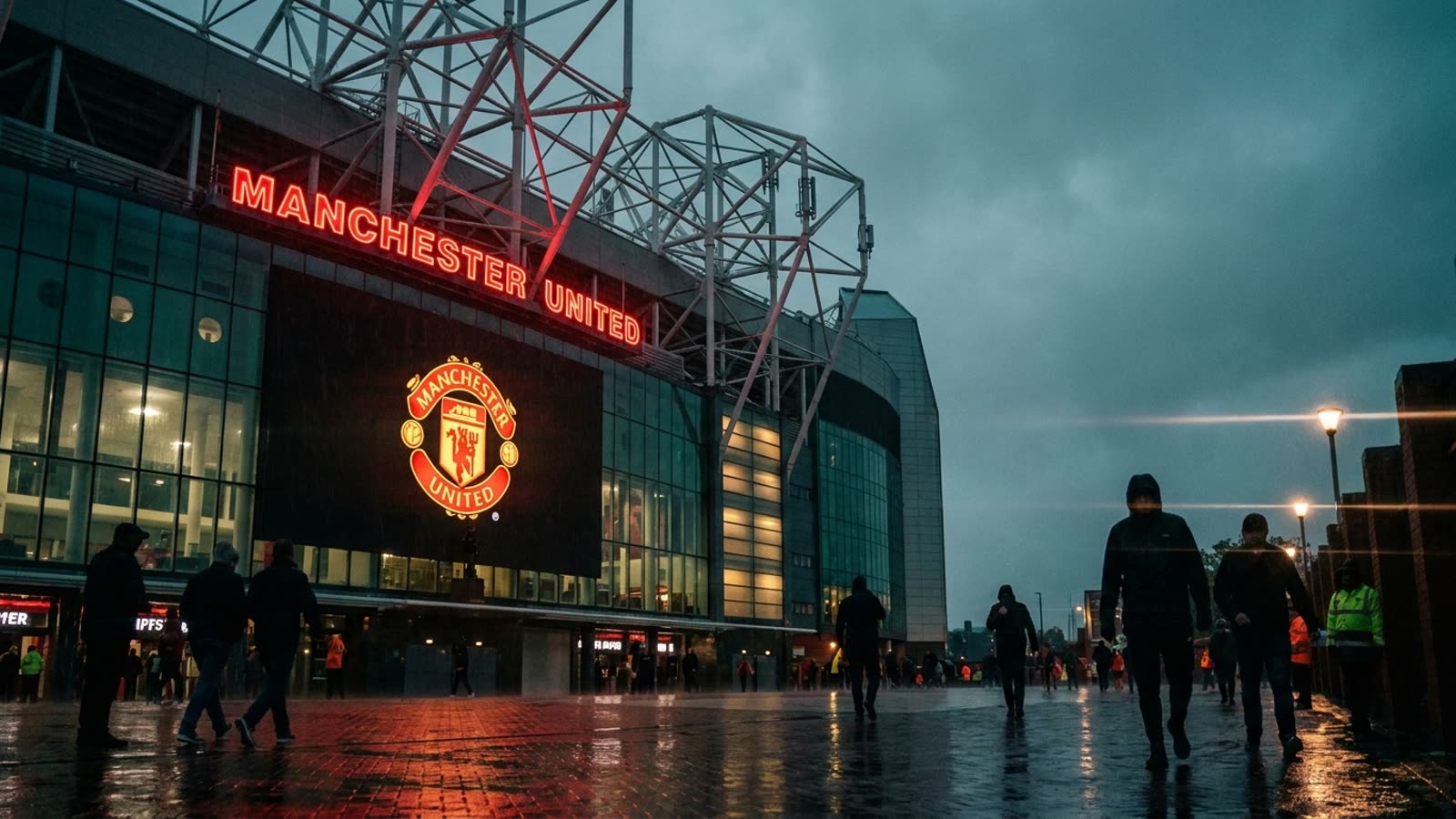
The post-mortem ritual at Old Trafford has become so familiar it borders on liturgy: a European humiliation, a manager looking haunted at the press conference, pundits debating which executive or player deserves the most blame, and absolutely nothing changing by the next fixture. Matchday 2 of the Champions League delivered another installment, and the question of who is responsible for Manchester United's mess has officially become unanswerable—not because there are no culprits, but because there are too many.
This is a club where structural failure has metastasized so thoroughly that isolating a single point of dysfunction is like blaming one particular hole in a colander for the water escaping.
The manager trap
Every United boss since Sir Alex Ferguson retired in 2013 has arrived with credentials and departed with their reputation diminished. The pattern suggests the problem is not the men in the dugout but the institution that chews them up. Tactical systems are abandoned mid-season. Transfer targets are overruled by committee. The dressing room, populated by players on staggered mega-contracts with varying levels of commitment, has become ungovernable by design. Whoever occupies the technical area is managing upward, sideways, and downward simultaneously—an impossible brief that guarantees failure.
The boardroom vacuum
Above the pitch, the Glazer family's ownership model treats the club as a leveraged asset rather than a sporting institution. Debt servicing has drained hundreds of millions that rivals invested in infrastructure and recruitment. The revolving door of football directors and CEOs has produced strategic whiplash: one regime prioritizes youth, the next demands immediate signings, the next slashes the wage bill. Sporting coherence requires continuity; United offers only churn.
The player problem
And yet, blaming only the suits lets the squad off too easily. Several players earning elite wages have delivered mid-table performances for seasons on end. Effort levels fluctuate. Leadership is absent. The armband passes around like a hot potato, and no one seems willing to grab the club by the collar and demand better. When everything is someone else's fault, accountability dissolves.
Our take
Manchester United's crisis is not a whodunit; it is a systemic rot that implicates ownership, management, recruitment, and the players themselves. The temptation after each defeat is to identify a scapegoat and move on, but that instinct is precisely what has allowed the decay to continue for over a decade. Until the Glazers sell or radically reform their governance, until a director of football is empowered and protected, until the dressing room culture is rebuilt from scratch, the club will keep cycling through managers and excuses. The blame belongs everywhere, which means, functionally, it belongs nowhere—and that is the most damning indictment of all.