When one of the best offensive linemen of his generation announces his retirement not because of a torn ACL or a failed physical but because he needs to "focus on my mental health," the NFL has officially entered territory it has spent decades avoiding.
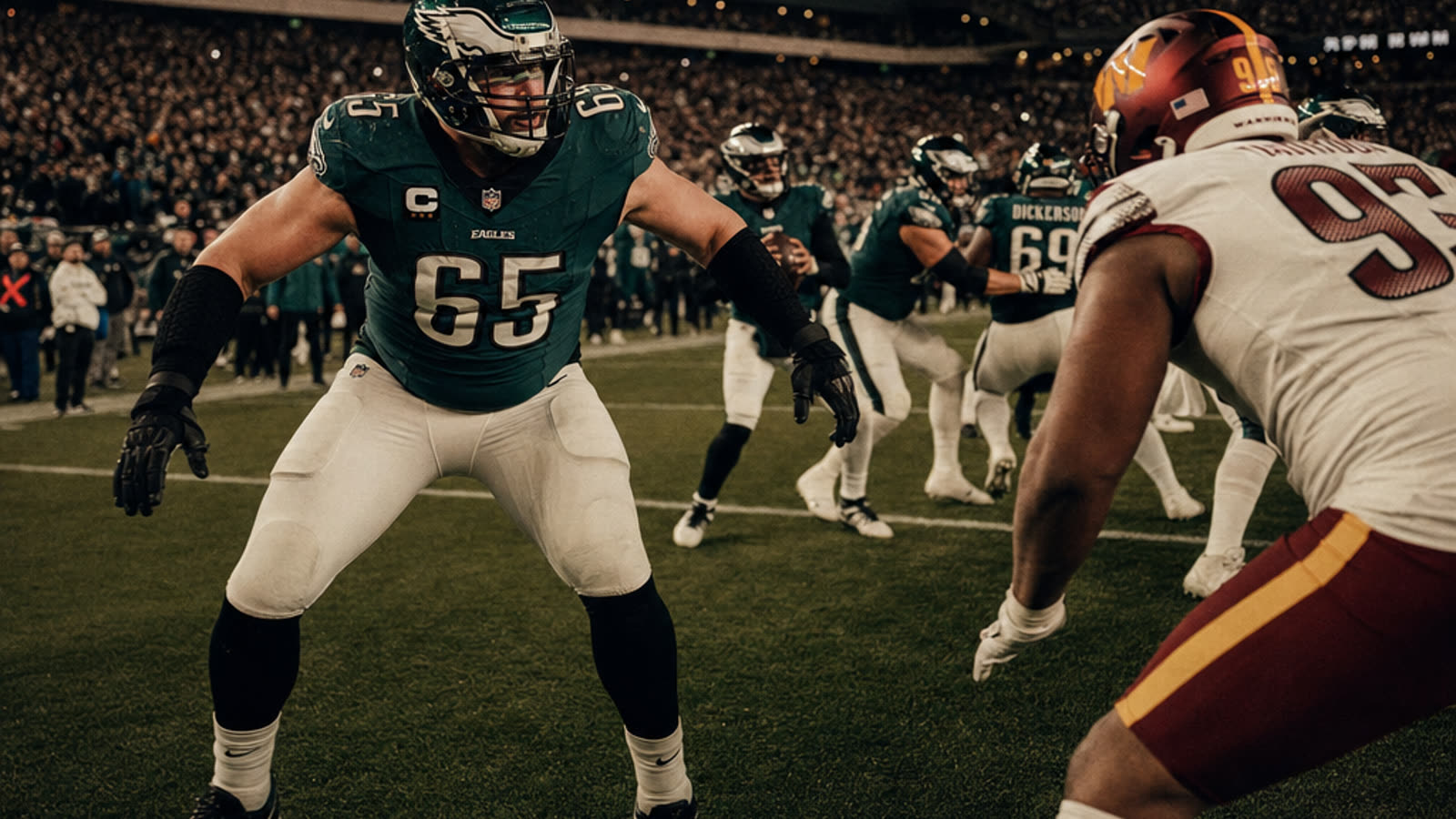
Lane Johnson, a three-time All-Pro and Super Bowl champion with the Philadelphia Eagles, retired this week at 34 — an age when elite tackles often have several productive seasons remaining. His explanation was brief, unadorned, and devastating in its simplicity: he could no longer prioritize football over his psychological wellbeing.
The weight of silence
Johnson has been unusually candid about his struggles with anxiety and depression, revealing in 2018 that he had contemplated suicide. In a sport that valorizes playing through pain and treats the training room as a confessional for physical ailments only, his openness was remarkable. That he felt compelled to leave the game entirely suggests the NFL's culture has not evolved as quickly as its public-relations messaging would indicate.
The league has invested heavily in mental health resources since the concussion crisis forced a broader reckoning with player welfare. Every team now employs mental health professionals; the collective bargaining agreement mandates certain services. Yet the fundamental ethos of professional football — the expectation that players subordinate everything to Sunday — remains largely intact.
What Philadelphia loses
The Eagles lose a cornerstone of an offensive line widely considered among the league's best. Johnson's combination of athleticism, technique, and durability at right tackle is nearly impossible to replicate; the team will spend years searching for an adequate replacement. More immediately, their Super Bowl aspirations for this season have dimmed considerably.
But Johnson's departure transcends roster construction. He was a leader in a locker room that won a championship in 2018 and returned to the Super Bowl in 2023. His willingness to discuss mental health gave implicit permission for younger players to do the same.
Our take
The NFL will issue a statement praising Johnson's courage and reaffirming its commitment to player wellness. This is the easy part. The harder question is whether a sport predicated on controlled violence can ever truly accommodate the psychological toll it exacts. Johnson's retirement is not an indictment of the Eagles or any particular coach; it is an indictment of a system that consumes men whole and calls it entertainment. That one of the game's best decided the cost was too high should trouble everyone who profits from it.