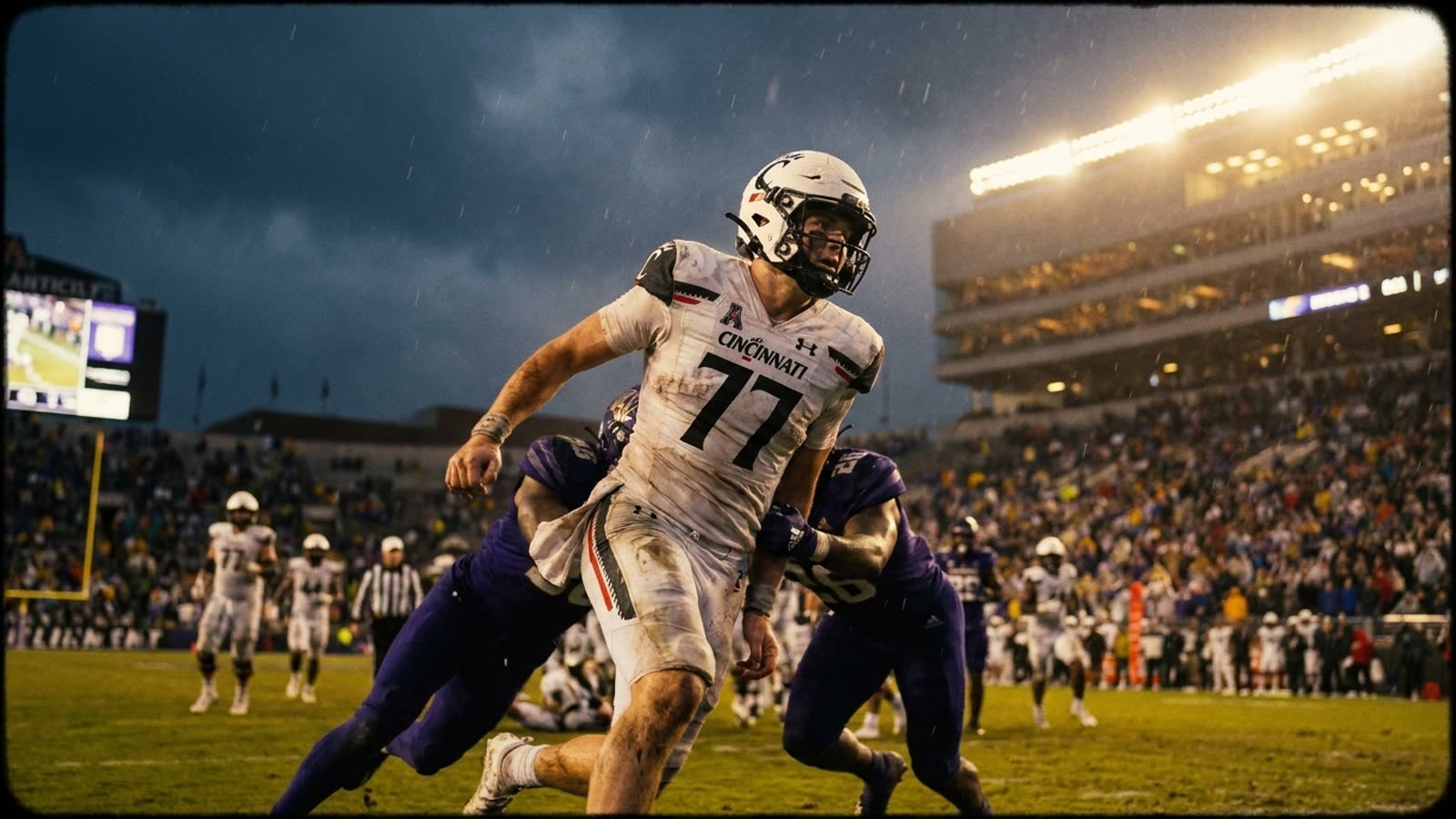
The NCAA has spent the better part of a decade insisting it could thread an impossible needle: embrace the billions flowing from legalized sports betting while maintaining the fiction that its amateur athletes exist in a hermetically sealed bubble of competitive purity. Kurtis Sorsby, Indiana's starting quarterback, just punctured that bubble with a needle the size of a flagpole.
Sorsby wagered on Hoosiers games at least 40 times while serving as the team's signal-caller, according to reports. Not on other sports. Not on professional leagues. On games in which he was taking snaps, reading defenses, and making decisions that directly influenced outcomes on which he had money riding.
The legal betting paradox
The 2018 Supreme Court decision striking down the federal ban on sports betting was celebrated as a victory for states' rights and consumer freedom. What followed was predictable: a gold rush of sportsbook partnerships, stadium sponsorships, and broadcast integrations that made gambling as ambient to the sports viewing experience as beer commercials. The NCAA itself has taken money from entities whose entire business model depends on people betting on NCAA games.
Yet the organization maintained rules prohibiting athletes from wagering on their own sports, enforced through an honor system that assumed 18-to-22-year-olds with smartphones would voluntarily abstain from an activity their universities were actively promoting. The cognitive dissonance was always unsustainable. Sorsby is merely the most visible proof.
What we don't know yet
The scope of the investigation remains unclear. Forty bets is a pattern, not an experiment. Whether Sorsby bet on Indiana to win, to cover spreads, or — more troublingly — to lose, will determine whether this is a rules violation or a criminal matter. Point-shaving allegations destroyed careers and sent people to prison in previous eras. The legal betting infrastructure makes detection easier but temptation more accessible.
Indiana's season is now under a cloud. Every close game, every questionable fourth-down decision, every interception will be retroactively scrutinized. The Hoosiers went 11-2 last season under first-year coach Curt Cignetti, earning a College Football Playoff berth. How many of those outcomes now carry an asterisk in the public imagination?
Our take
The NCAA cannot simultaneously monetize gambling culture and expect its unpaid labor force to remain immune to it. Sorsby broke rules and potentially laws, and should face consequences. But the governing body's shock rings hollow. You cannot carpet-bomb young people with betting apps, plaster sportsbook logos across their stadiums, and then act bewildered when one of them places a bet. The scandal isn't that a quarterback gambled. The scandal is that everyone in charge knew this was coming and built the system anyway.