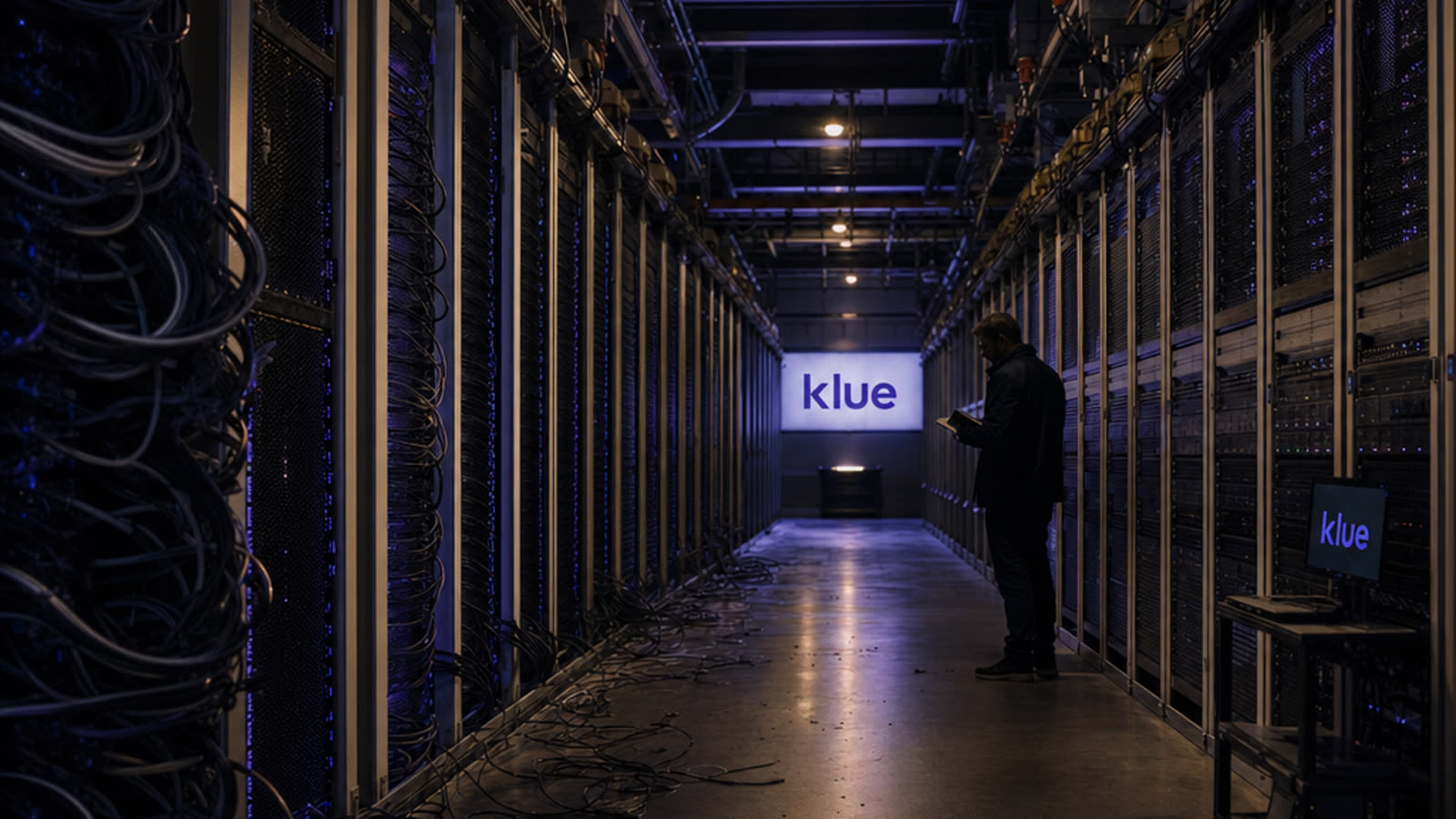
When a company whose entire product is gathering intelligence on competitors suffers a data breach, the irony writes itself. When that company's client list reads like a who's-who of cybersecurity vendors, the irony becomes an industry indictment.
Klue, the Vancouver-based competitive-intelligence platform that uses AI to scrape, summarize, and weaponize market data for sales teams, has confirmed a breach that exposed sensitive information belonging to several of its cybersecurity-firm clients. The details remain murky — Klue has disclosed neither the attack vector nor the full scope of compromised data — but the confirmed victim list includes companies that sell the very firewalls, endpoint-detection tools, and threat-intelligence services meant to prevent exactly this kind of incident.
The supply-chain paradox
Cybersecurity firms have spent years warning enterprises about third-party risk. They have built entire product categories around vendor-risk management, supply-chain attestation, and zero-trust architecture. Yet here they are, caught out by a SaaS tool that most of their own security teams probably never audited with the same rigor they apply to code dependencies or cloud providers.
Klue is not a household name, but it sits in a privileged position. Competitive-intelligence platforms ingest pricing strategies, product roadmaps, win-loss analyses, and internal battlecards — the kind of information that, in the wrong hands, could inform everything from targeted phishing campaigns to stock trades. For cybersecurity vendors specifically, the data could include details about vulnerabilities they have discovered, features they plan to ship, and customers they are pursuing.
AI as amplifier
Klue's pitch leans heavily on AI: machine-learning models that crawl the web, parse earnings calls, and synthesize competitor moves into digestible briefs. That AI layer is also a data-aggregation layer, meaning a single breach can yield a concentrated trove of intelligence that would otherwise require compromising dozens of individual targets. The same efficiency that makes AI-powered tools attractive to sales teams makes them attractive to attackers.
This is not a new dynamic, but it is accelerating. As enterprises adopt more AI-driven SaaS products — each one training on, storing, and summarizing proprietary data — the attack surface expands in ways that traditional perimeter security cannot address. The Klue incident is a case study in what happens when the security industry's own tooling outpaces its own hygiene.
Our take
The cybersecurity industry has a credibility problem it rarely acknowledges: it sells paranoia while practicing convenience. The Klue breach will not topple any vendors, but it should prompt uncomfortable board-level questions about which third-party tools have access to crown-jewel data — and whether the companies paid to protect others can protect themselves. If the answer is "we didn't think to check," that is the real vulnerability.