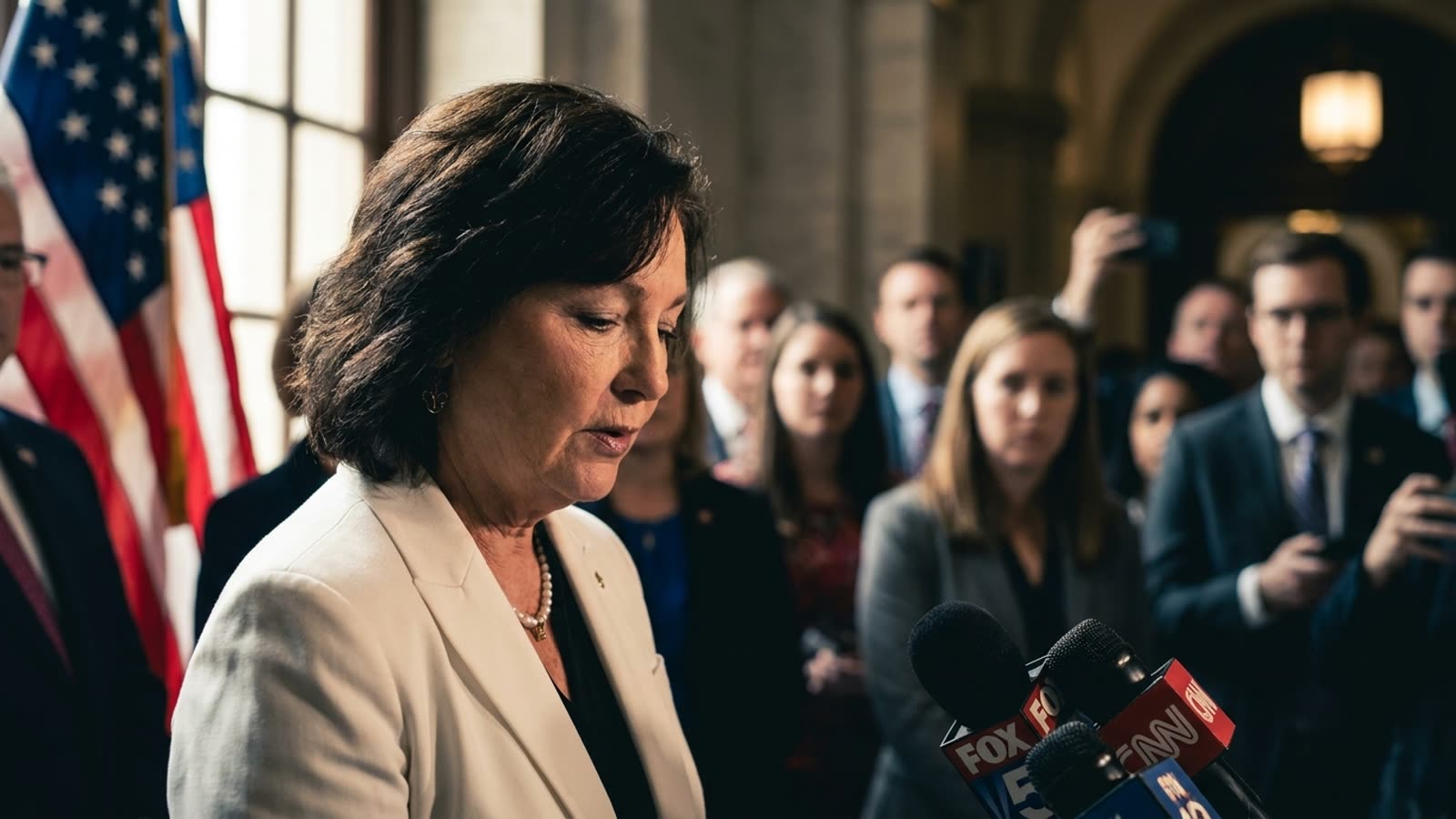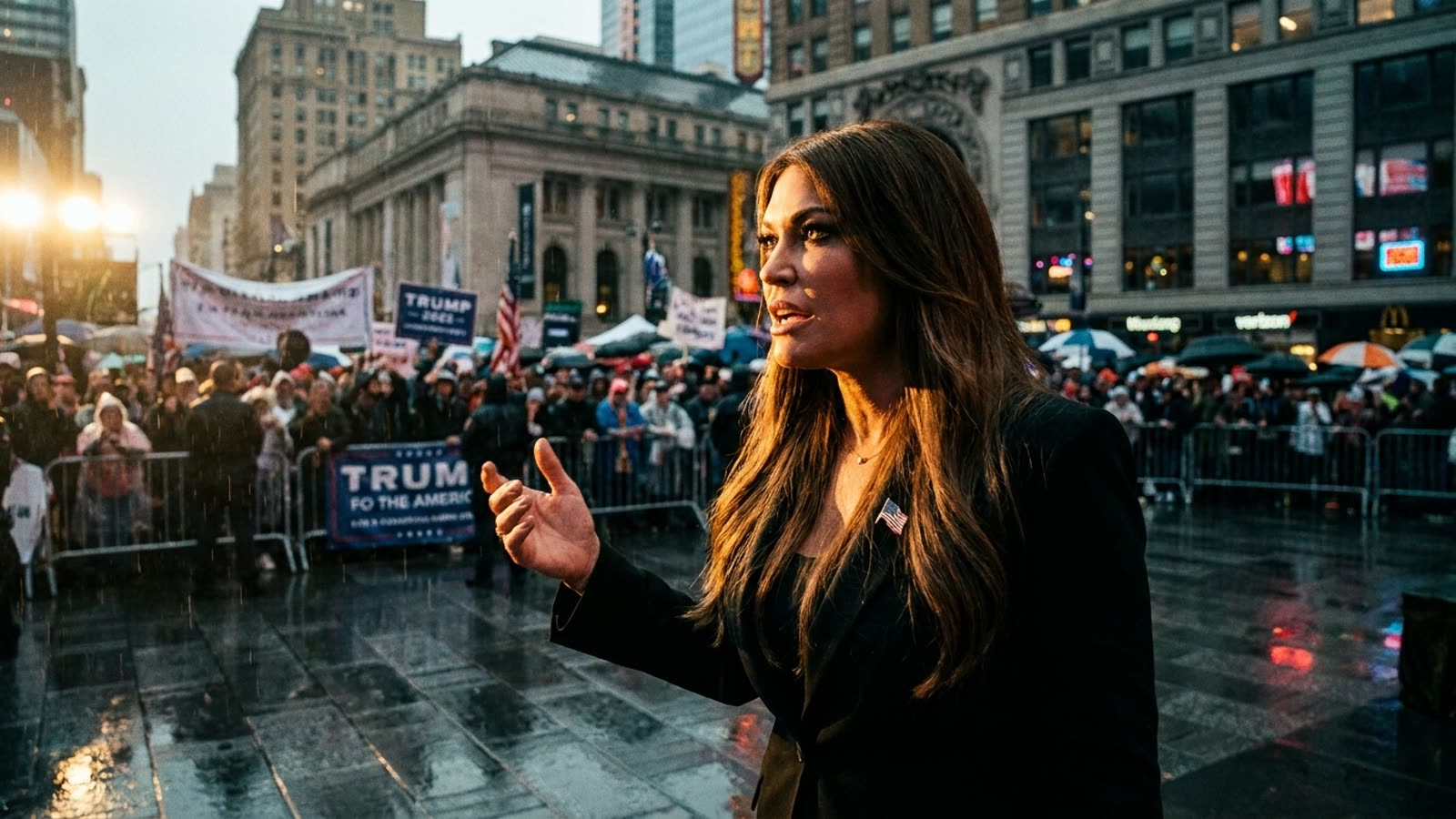
The State Department has survived plenty of scandals, but rarely one that so thoroughly exposed the rot at its core. The Kimberly Guilfoyle affair — whatever its specific contours — has become a referendum on what happens when diplomatic institutions are staffed primarily for political fealty rather than expertise.
Former ambassadors and career foreign service officers are now speaking with unusual candor about the hollowing out of American diplomacy. James B. Story, who served as U.S. Ambassador to Venezuela, has joined a growing chorus of ex-officials describing an institution where experienced professionals have been systematically sidelined in favor of political appointees whose primary qualification is proximity to power.
The Competence Deficit
The numbers tell a stark story. Career foreign service officers have been leaving at elevated rates for years, but the current exodus represents something qualitatively different: a loss of institutional memory that cannot be easily rebuilt. Diplomatic expertise takes decades to cultivate. The relationships that enable back-channel negotiations, the cultural fluency that prevents misunderstandings from escalating into crises, the hard-won credibility with foreign counterparts — none of this can be acquired through loyalty alone.
What remains is a department increasingly dependent on political appointees who often lack the language skills, regional knowledge, or professional networks their predecessors possessed. The Guilfoyle scandal has merely illuminated what insiders have known for years: the bench is thin, and getting thinner.
Allies Are Watching
Foreign governments have learned to work around American diplomatic dysfunction, which is itself a form of diminished influence. When allied capitals cannot rely on consistent messaging from Washington, they hedge. When they perceive that access to American decision-makers flows through political channels rather than professional ones, they adjust their strategies accordingly. The result is a subtle but measurable erosion of American soft power — the kind that compounds over time.
The irony is that this administration has emphasized transactional diplomacy, yet transactions require trusted counterparties. Career diplomats provided that trust. Their replacements must earn it from scratch, often without the tools to do so.
Our take
Institutions can survive bad actors; they struggle to survive the systematic replacement of competence with compliance. The Guilfoyle scandal will eventually fade from headlines, but the State Department's capacity crisis will persist. Rebuilding will require not just new personnel but a renewed commitment to the unglamorous work of professional diplomacy — the kind that rarely makes news precisely because it prevents crises rather than creating them. Whether any administration has the patience for that work remains an open question.