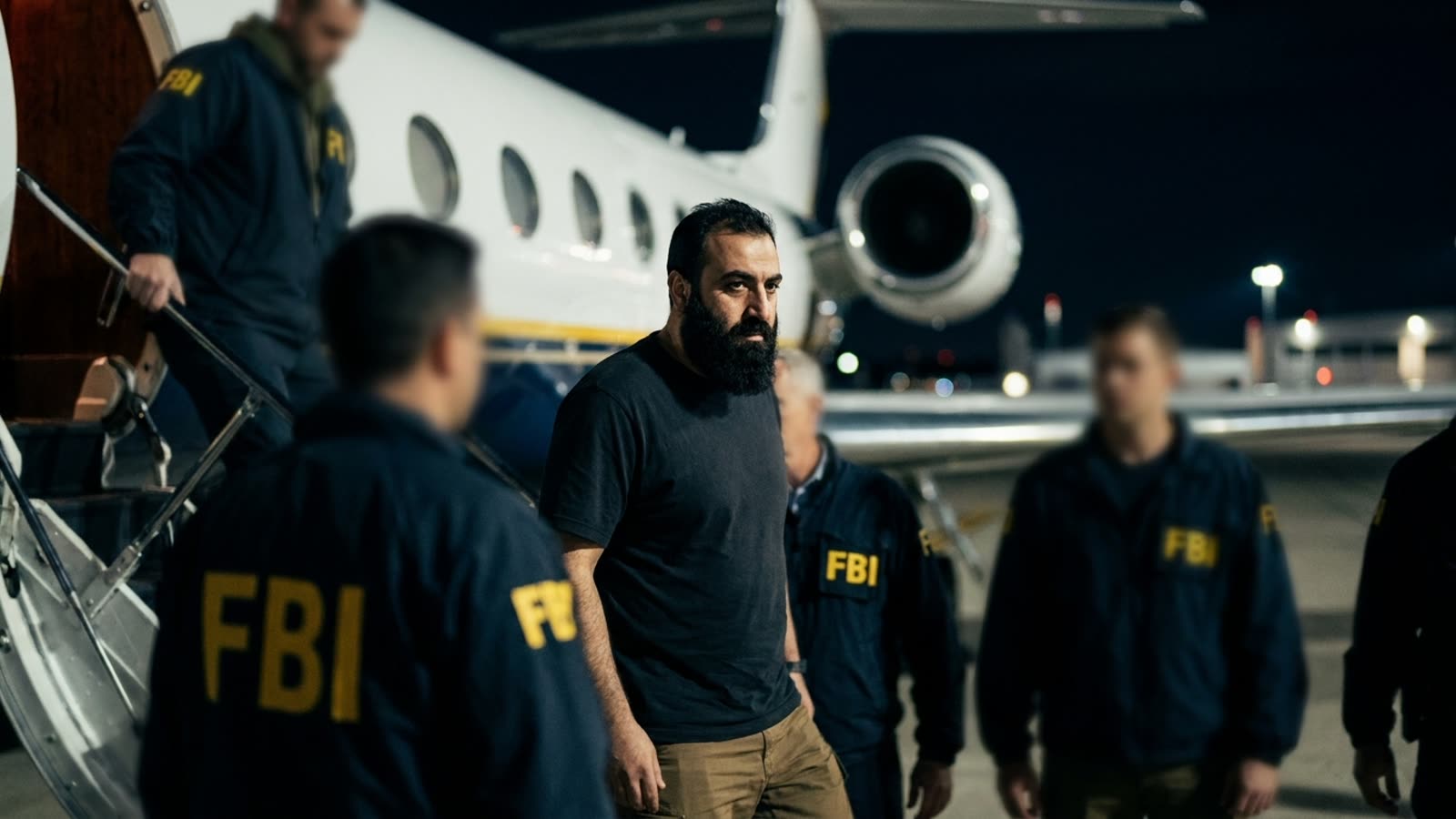
The Justice Department's unsealing of charges against a senior Kataib Hezbollah commander represents a significant escalation in how Washington frames its conflict with Tehran—no longer a regional proxy war fought through intermediaries in Iraq and Syria, but a direct threat to American civilians on American streets.
Mohammad Baqer Saad Dawood al-Saadi, identified by prosecutors as a top operational commander of one of Iran's most lethal Iraqi militias, stands accused of plotting attacks on Jewish sites in New York City. The charges allege he was part of a broader Iranian retaliation campaign following the 2020 assassination of Qassem Soleimani, suggesting Tehran's response to that strike extended far beyond the ballistic missiles fired at al-Asad Air Base.
The militia behind the man
Kataib Hezbollah occupies a peculiar position in the constellation of Iranian proxies—more ideologically rigid than most, more operationally capable than many, and more directly controlled by Tehran's Islamic Revolutionary Guard Corps than nearly all. The group has been responsible for hundreds of attacks on American forces in Iraq over two decades, pioneering the use of explosively formed penetrators that killed scores of U.S. soldiers during the occupation years.
What distinguishes this indictment is the allegation of extraterritorial ambition. Prosecutors claim al-Saadi directed operations not only in the Middle East but across Europe, suggesting a network with reach that American intelligence has long suspected but rarely documented in court filings. The specificity of the New York allegations—targeting Jewish community sites—echoes the 1994 AMIA bombing in Buenos Aires, long attributed to Iranian direction.
Timing and context
The charges arrive during a period of renewed U.S. pressure on Iran's regional allies. The administration has intensified surveillance flights over Cuba, dispatched the CIA director to the region, and imposed new energy embargoes—a playbook that suggests Washington sees an opportunity to squeeze Tehran's network while it remains distracted by internal pressures and the grinding economics of sanctions.
Yet the indictment also carries domestic political utility. With midterm elections approaching and criticism mounting over the administration's handling of various foreign entanglements, demonstrating an active posture against Iranian terrorism provides useful counter-programming. Al-Saadi is unlikely to ever see the inside of an American courtroom—he remains in Iraq, beyond practical reach—making the charges more statement than prosecution.
Our take
The indictment is legally meaningful but operationally symbolic. Al-Saadi will not be extradited, and Kataib Hezbollah will not be deterred by American court filings. What matters is the precedent: the U.S. government is now willing to name and charge senior Iranian proxy commanders for plots against the homeland, not merely for attacks on troops abroad. That framing shift—from regional nuisance to domestic terrorist threat—could justify actions that would have seemed disproportionate a year ago. Whether that's prudent policy or dangerous escalation depends entirely on what comes next.