A sitting Supreme Court justice publicly indicting her own institution for deepening America's political fractures would have been unthinkable a decade ago. On Tuesday, Justice Elena Kagan made it routine.
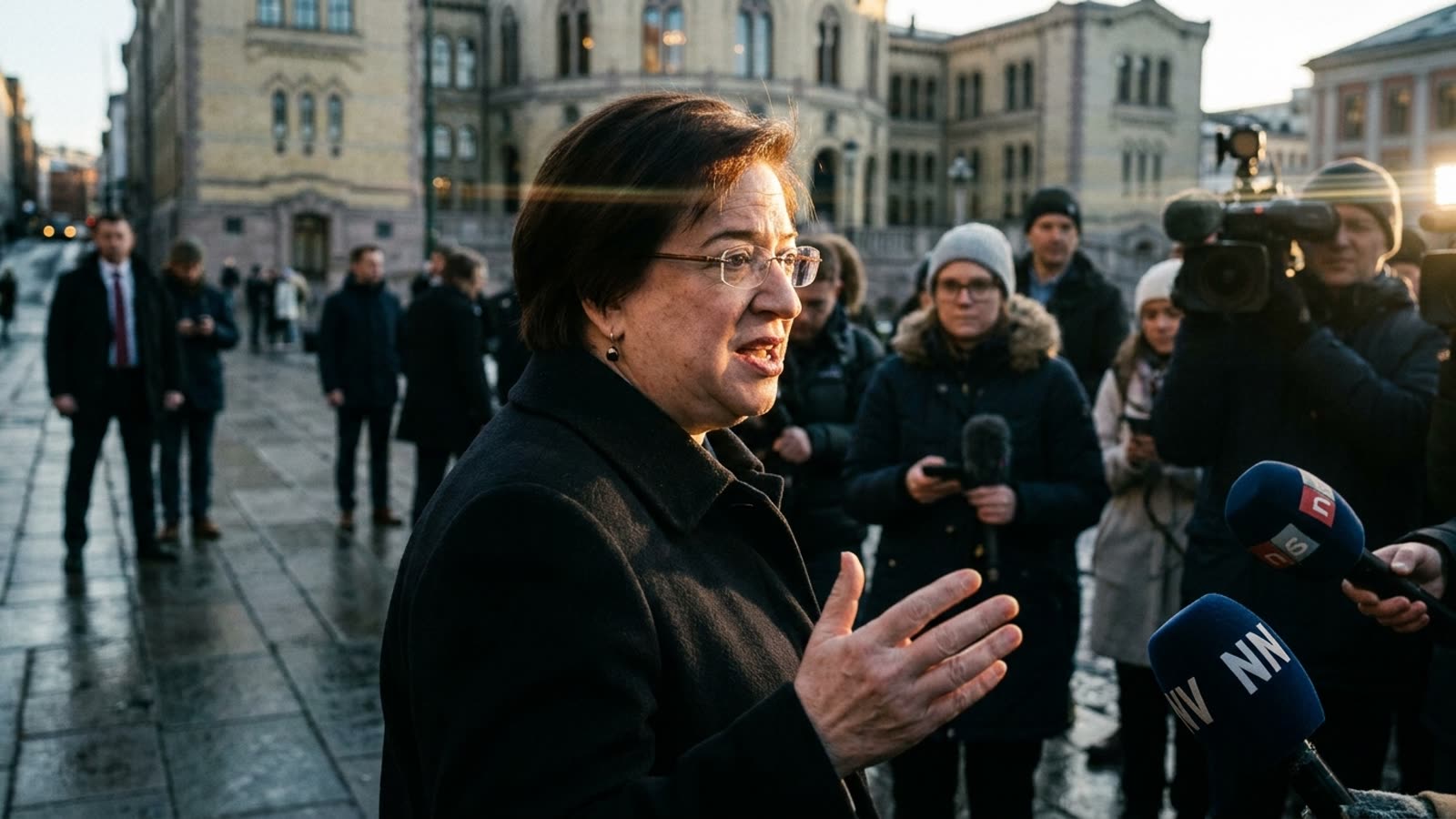
Speaking at a judicial conference in Oslo—the same city where President Zelensky was meeting Trump's envoy—Kagan delivered a remarkably pointed critique of recent court decisions on voting rights, gerrymandering, and campaign finance. These rulings, she argued, have not merely interpreted the law but have actively "intensified polarization" in American democracy. The subtext was impossible to miss: the conservative supermajority that has reshaped American jurisprudence since 2020 bears responsibility for the country's democratic dysfunction.
The strategic calendar
Kagan's remarks arrive at a peculiar moment. The midterm elections are fourteen days away. President Trump's approval ratings have cratered to historic lows. MAGA Inc. is flooding social media with targeted turnout ads, desperately trying to salvage Republican congressional majorities. And the Supreme Court's own approval has collapsed to levels unseen since polling began—a direct consequence of decisions on abortion, affirmative action, and administrative power that have alienated majorities of Americans.
For a justice to wade into this environment with explicit commentary on how court decisions affect political polarization is to abandon the fiction of judicial neutrality. Kagan knows this. She chose Oslo anyway.
The legitimacy crisis deepens
The court's conservative majority has spent years dismissing concerns about institutional legitimacy as political noise. Chief Justice Roberts has insisted the justices are not "partisan hacks." Justice Alito has grown openly contemptuous of critics. Justice Thomas has refused to recuse himself from cases touching his wife's political activities.
Kagan's intervention suggests the liberal wing has concluded that silence is complicity. By naming specific policy areas—voting rights, gerrymandering, campaign finance—she is drawing a direct line from Shelby County, Rucho, and Citizens United to the democratic erosion that followed. This is not abstract constitutional theory. It is an accusation.
The international stage matters
That Kagan chose a foreign venue is itself significant. American justices traditionally reserve their sharpest commentary for domestic legal audiences, where norms of professional courtesy provide cover. Speaking in Oslo—to an international audience already skeptical of American democratic health—Kagan was signaling that the court's crisis is no longer an internal matter. It is a global embarrassment.
Our take
Kagan is playing a dangerous game, and she knows it. Justices who become overtly political accelerate the very delegitimization they claim to lament. But her calculation appears to be that the court's legitimacy is already forfeit—destroyed not by liberal criticism but by conservative overreach. If that is true, then silence serves only the majority that broke the institution. Two weeks before an election that will determine whether Congress can check a wounded president, Kagan has decided that judicial restraint is a luxury the republic can no longer afford.