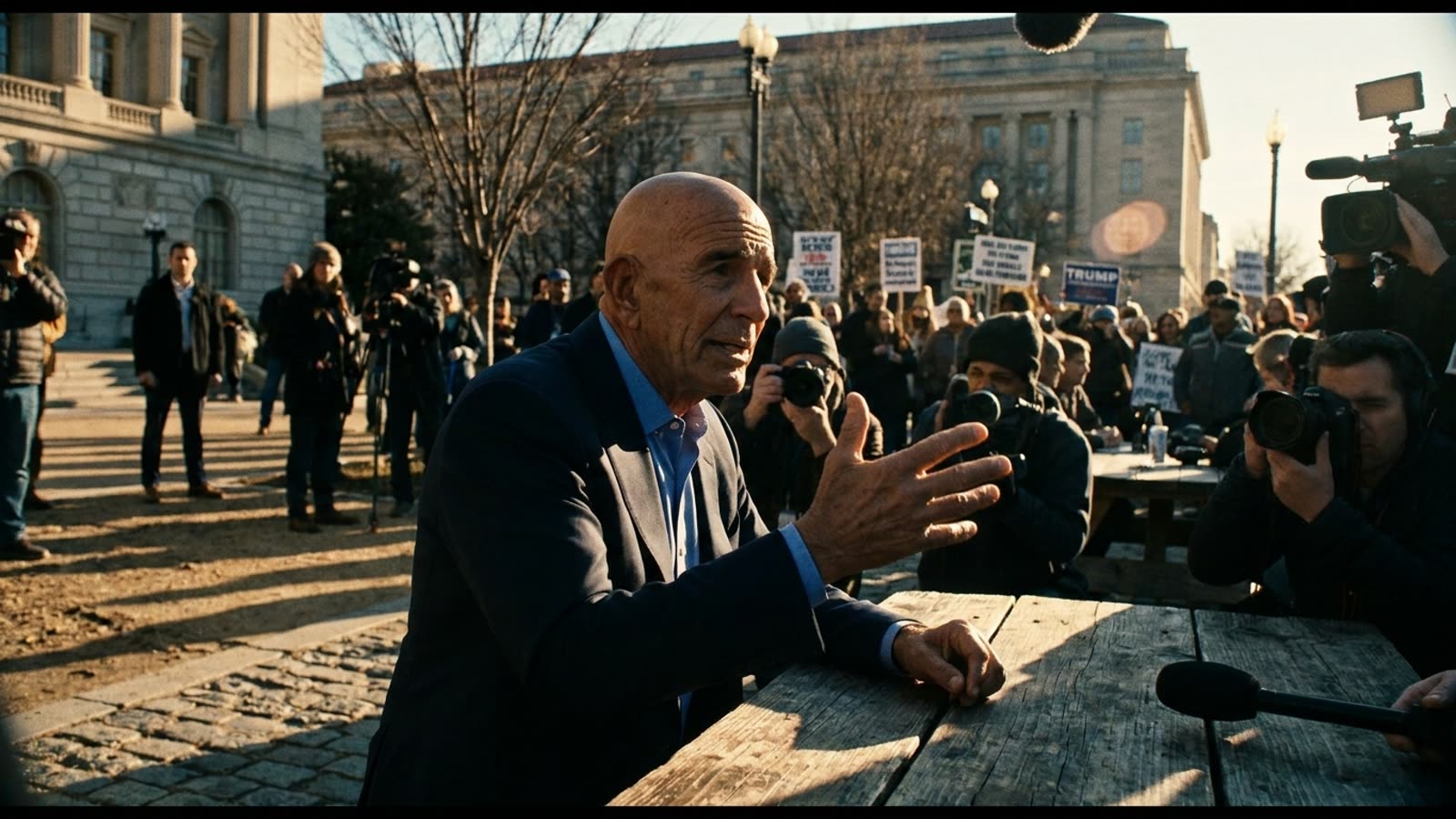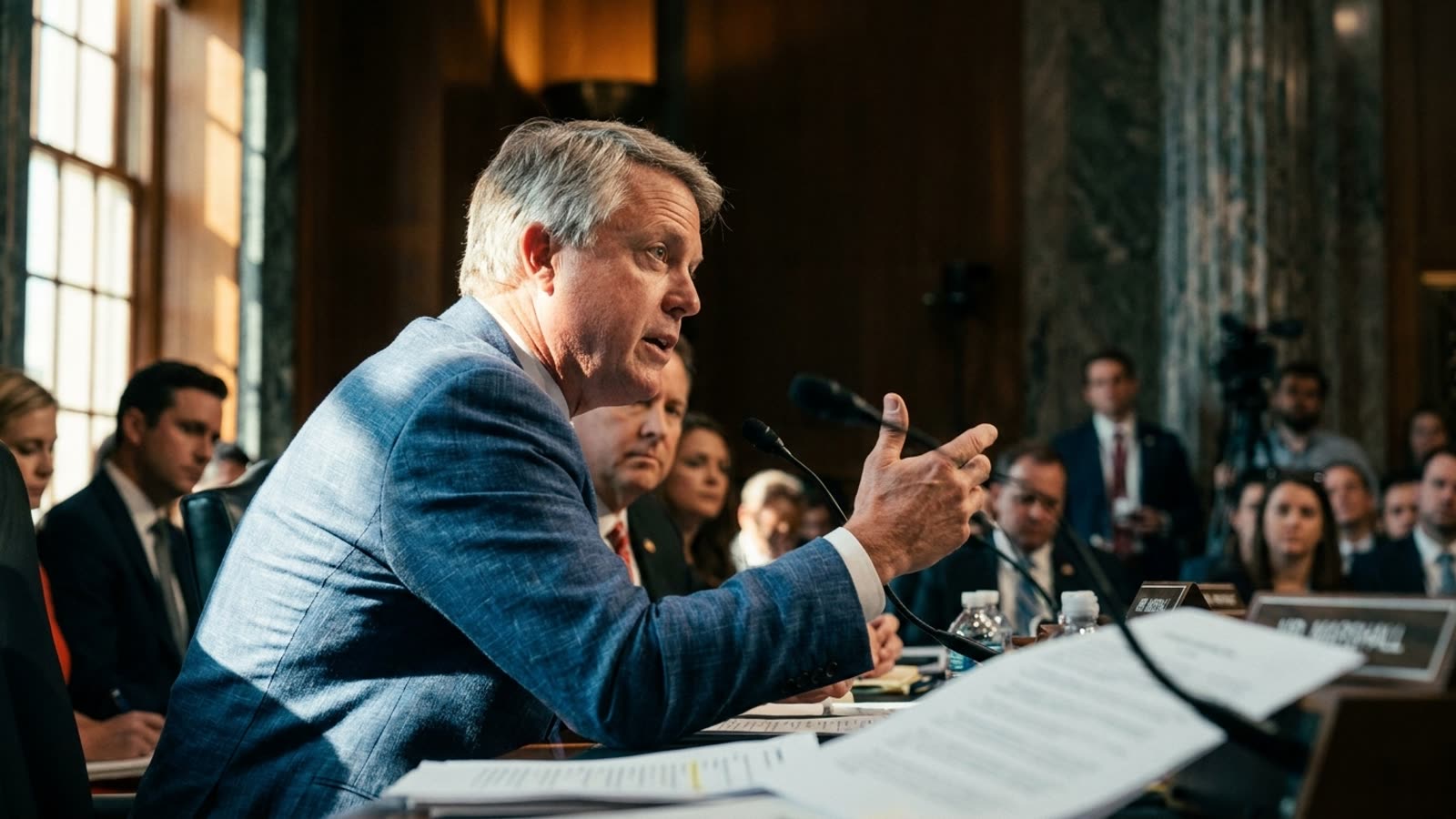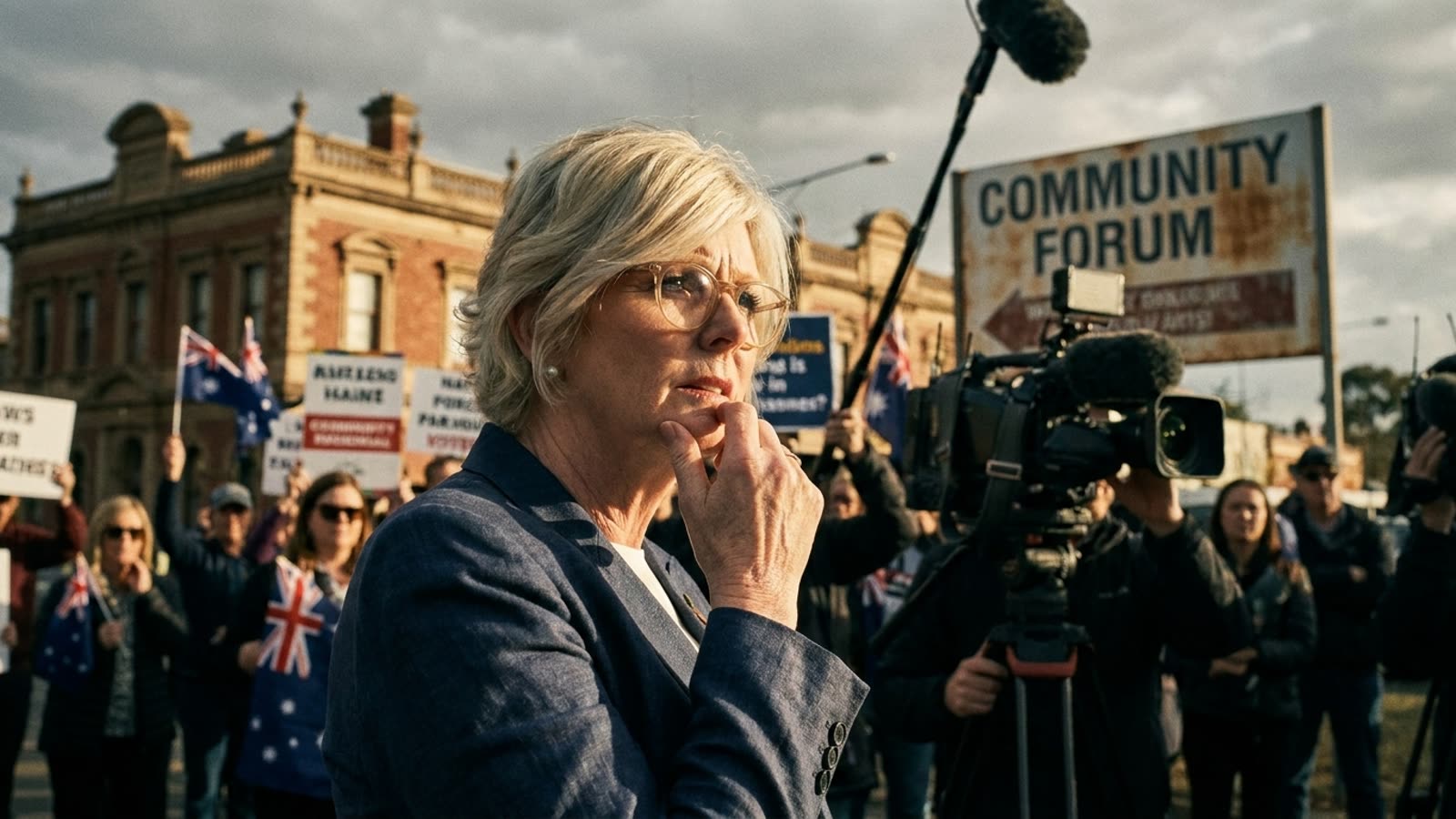
The pardon power is the presidency's most monarchical prerogative — absolute, unreviewable, and historically reserved for acts of mercy or political reconciliation. Under Donald Trump, it has become something else: a product with a price tag.
The New York Times reports that Julio Herrera Velutini, a Venezuelan banking scion facing federal bribery charges, secured a presidential pardon shortly after his daughter handed Alina Habba — Trump's personal attorney and now a senior White House counselor — a $50 million "consulting" contract. The timing is damning. The structure is brazen. And the transaction illuminates how thoroughly the second Trump administration has collapsed the distinction between official acts and private enrichment.
The mechanics of the deal
Velutini's legal troubles were serious. Federal prosecutors had charged him with funneling hundreds of thousands of dollars to a Puerto Rican governor in exchange for favorable banking regulations. Conviction would have meant prison time and the effective end of his financial empire. Traditional legal channels offered no obvious escape.
Enter the Habba connection. The $50 million contract went to a company controlled by Velutini's daughter, ostensibly for consulting services. Within months, Velutini's name appeared on a presidential pardon list. No trial, no admission of guilt, no public explanation. The Justice Department, which typically vets clemency petitions through a formal process, appears to have been bypassed entirely.
Why this matters beyond one pardon
The Velutini case is not an isolated incident. It is the clearest evidence yet of a systematic market for presidential mercy. Previous reporting has documented a network of fixers, donors, and intermediaries who have monetized access to Trump's clemency pen. What distinguishes this case is the paper trail: a named sum, a named recipient, and a timeline that leaves little room for innocent explanation.
For the administration's critics, the transaction confirms what they have long suspected — that Trump views the pardon power not as a constitutional trust but as a personal asset. For his defenders, who have historically dismissed corruption allegations as partisan overreach, the Velutini deal presents a harder case to explain away. Fifty million dollars is not a campaign contribution or a speaking fee. It is a bribe dressed in legal clothing.
The Habba problem
Alina Habba's role is particularly significant. She is not a peripheral figure; she is one of Trump's most visible legal representatives and now holds an official White House position. Her simultaneous receipt of a nine-figure sum from a pardon recipient's family creates a conflict of interest so obvious that it would disqualify a judge, a prosecutor, or any other officer of the court.
Yet there is no indication that Habba faces any internal review or that the White House considers her conduct problematic. In the Trump administration's ethical framework, the absence of a criminal conviction is the only standard that matters — and even that standard can be erased with a signature.
Our take
The founders gave presidents the pardon power because they believed in the possibility of mercy uncorrupted by politics. They did not anticipate a president who would treat clemency as a revenue stream or a lawyer who would broker pardons while drawing a government salary. The Velutini affair is not a scandal in the traditional sense — there will be no investigation, no accountability, no consequences. It is simply the system working as Trump has redesigned it: openly, profitably, and without shame.