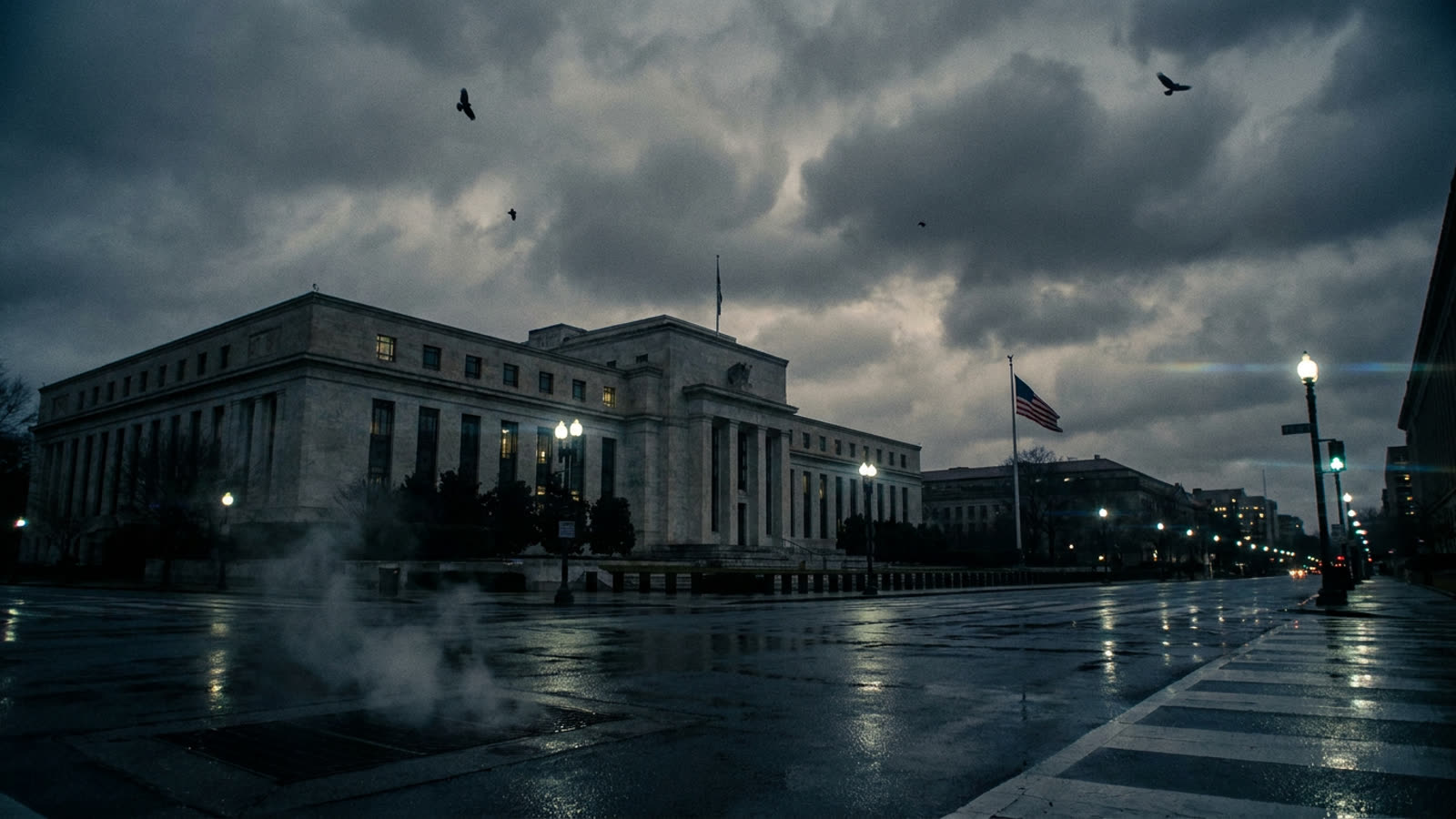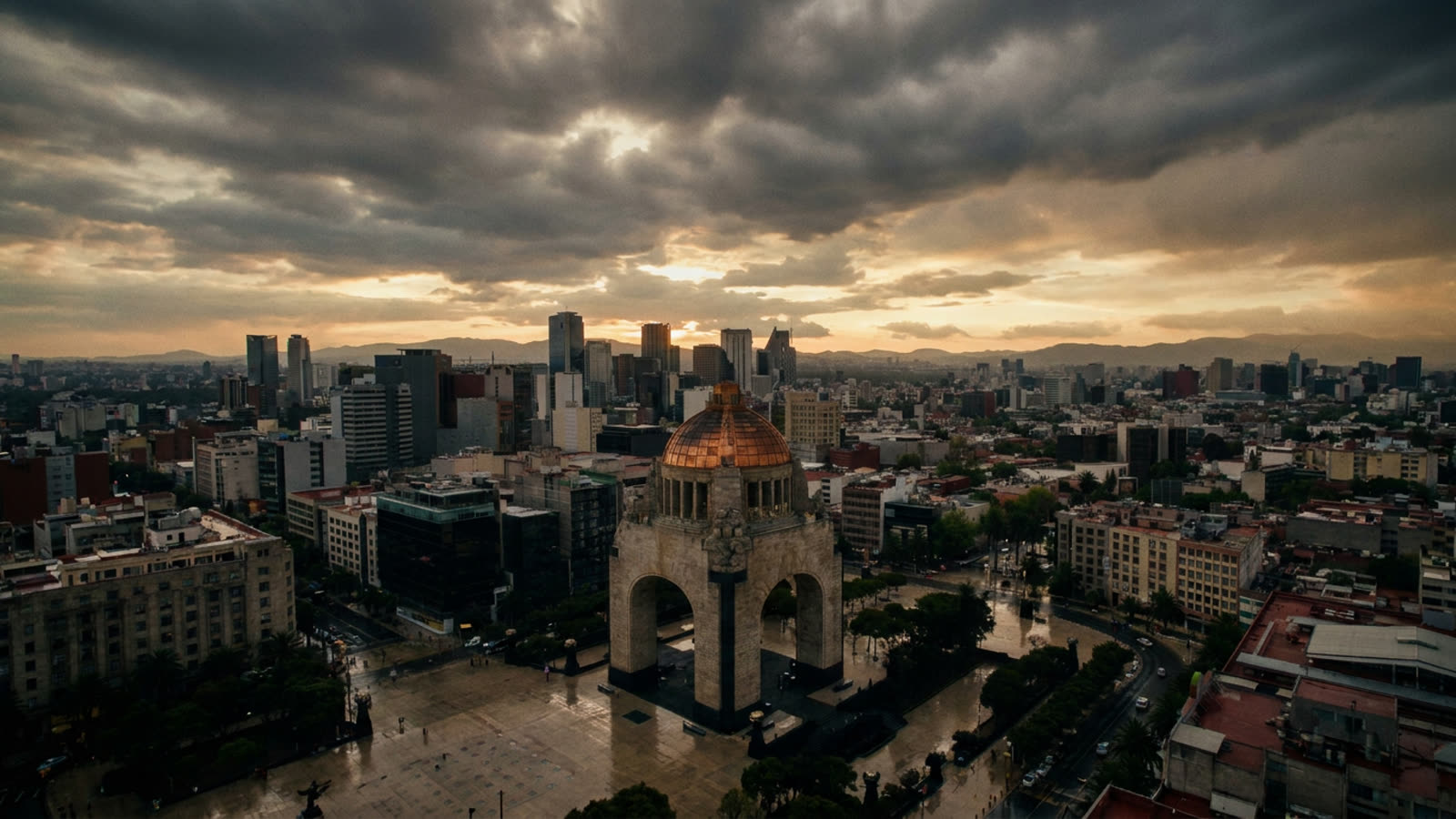
The Justice Department has instructed federal prosecutors to build criminal drug cases against Mexican officials using terrorism laws — a legal maneuver that effectively reclassifies a neighboring government's corruption problem as an existential threat to American national security.
This is not a rhetorical flourish or campaign-trail bluster. It is a formal prosecutorial directive, and it carries consequences that extend far beyond the courtroom. By invoking terrorism statutes, U.S. authorities gain access to expanded surveillance powers, longer sentences, asset seizure tools, and — critically — the political cover to pursue extradition requests with a new intensity. The message to Mexico City is unmistakable: Washington now views certain elements of the Mexican state as indistinguishable from the cartels they are accused of enabling.
The legal architecture
The shift relies on terrorism enhancement provisions that Congress designed for al-Qaeda and ISIS, not for officials of a treaty ally. These statutes allow prosecutors to charge individuals who provide "material support" to designated terrorist organizations — and the Trump administration designated several Mexican cartels as foreign terrorist organizations in 2025. The new directive closes the loop: if a Mexican mayor, police commander, or customs official can be linked to cartel operations, they can now face terrorism charges in American courts.
Defense attorneys will challenge the extraterritorial reach. Mexican officials will invoke sovereign immunity. But the mere existence of sealed indictments under terrorism law creates a chilling effect. Any Mexican official who has ever looked the other way — which is to say, a significant portion of the security apparatus in cartel-affected states — now faces the theoretical possibility of American prosecution.
Mexico's impossible position
President Sheinbaum's government has responded with predictable outrage, calling the move a violation of sovereignty and a unilateral abandonment of bilateral cooperation frameworks. But her options are limited. Mexico depends on American trade, remittances, and security assistance. A full diplomatic rupture is unthinkable. Yet acquiescing to U.S. prosecutions of Mexican nationals under terrorism law would be political suicide domestically.
The most likely outcome is a prolonged period of performative anger combined with quiet accommodation — Mexico publicly denouncing the policy while privately allowing certain extraditions to proceed. This is the pattern that has governed the relationship for decades. What has changed is the scale of American ambition and the legal tools now available to enforce it.
Our take
There is a coherent argument for aggressive action against cartel-enabling corruption. Fentanyl deaths in the United States have created genuine political pressure for results, and Mexico's own institutions have proven incapable of self-correction. But treating a neighbor's dysfunctional governance as terrorism is a category error with unpredictable consequences. Terrorism law was built for stateless actors who cannot be negotiated with; Mexico is a sovereign nation with which the United States shares a two-thousand-mile border and a trillion-dollar trade relationship. The Justice Department has handed prosecutors a hammer. Whether Mexico looks like a nail is a question no one in Washington seems to be asking.