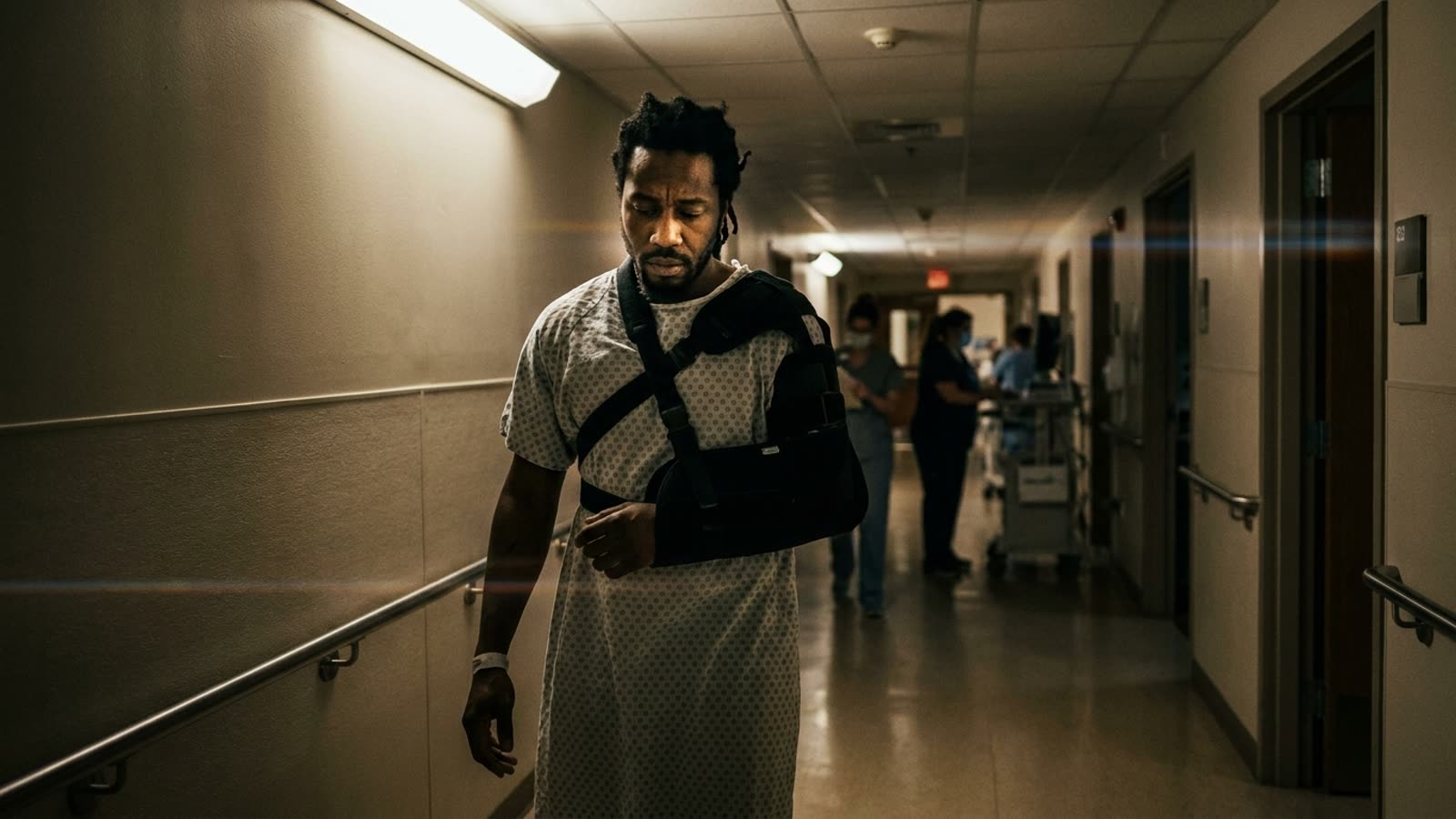
A shoulder injury requiring surgery and a four-to-six month recovery window would barely register as news for most NFL players in late June. For a top draft prospect, it is a seismic event that ripples through front offices from coast to coast.
The timing could hardly be worse. With the 2027 NFL Draft cycle about to begin in earnest, Jarvis—widely projected as a first-round talent at edge rusher—now faces the prospect of missing the Senior Bowl, the NFL Combine, and every pro day that matters. Teams will have to make their evaluations based entirely on college tape, medical records, and whatever private workouts he can squeeze in before late April.
The evaluation vacuum
Modern NFL scouting has become obsessively process-driven. General managers want measurables, interview time, and most critically, proof that a player can perform athletic tests after a season of wear. Jarvis cannot provide any of that. His forty time, his three-cone drill, his vertical leap—all of it becomes theoretical, extrapolated from sophomore film and training notes.
This is not unprecedented. Plenty of first-round picks have entered the draft with injury question marks. But the difference between a player who runs at the Combine with a healed shoulder and one who asks teams to trust the surgical outcome is measured in draft slots and guaranteed money.
The financial stakes
The gap between, say, pick 12 and pick 28 in a typical draft represents roughly eight to ten million dollars in total contract value under the rookie wage scale. For an edge rusher—a premium position—the difference between being selected in the top half of the first round versus sliding into the second can be even more consequential when factoring in fifth-year option eligibility.
Jarvis's camp will spend the next several months managing information flow with surgical precision. Expect carefully staged rehab videos, optimistic medical updates, and perhaps a late private workout designed to reassure the most interested teams. The goal is simple: prevent the slide.
The team calculus
For franchises desperate for pass-rush help, Jarvis now presents a classic risk-reward proposition. The film suggests a player with explosive first-step quickness and legitimate NFL bend. The medical file suggests uncertainty. Some teams will view this as an opportunity—a chance to land first-round talent at a discount. Others will remove him from their boards entirely, unwilling to stake organizational capital on a player they cannot fully evaluate.
The teams most likely to take the gamble are those with multiple first-round picks or those selecting late enough that the risk-reward math tilts favorably. A team picking in the top five, needing immediate impact, probably cannot afford the uncertainty.
Our take
Shoulder surgeries are not career-enders, and Jarvis has every reason to expect a full recovery. But the draft is a momentum game, and momentum just shifted against him. The next nine months will test whether his talent is undeniable enough to overcome the evaluation gap—or whether he becomes another cautionary tale about the cruelty of timing in professional sports.