For roughly 180 minutes of World Cup football, Belgium looked like a team attending its own funeral. The golden generation—Lukaku, De Bruyne, Courtois—had arrived in North America with the quiet desperation of aging stars who know this is almost certainly their final act on the grandest stage. And then they played like it, grinding out results without conviction, moving the ball with the enthusiasm of civil servants approaching retirement.
Then came matchday three, and suddenly Belgium resembled the side that terrorized opponents at the 2018 World Cup, finishing third and announcing themselves as genuine contenders. The transformation was startling enough to warrant examination.
The De Bruyne factor
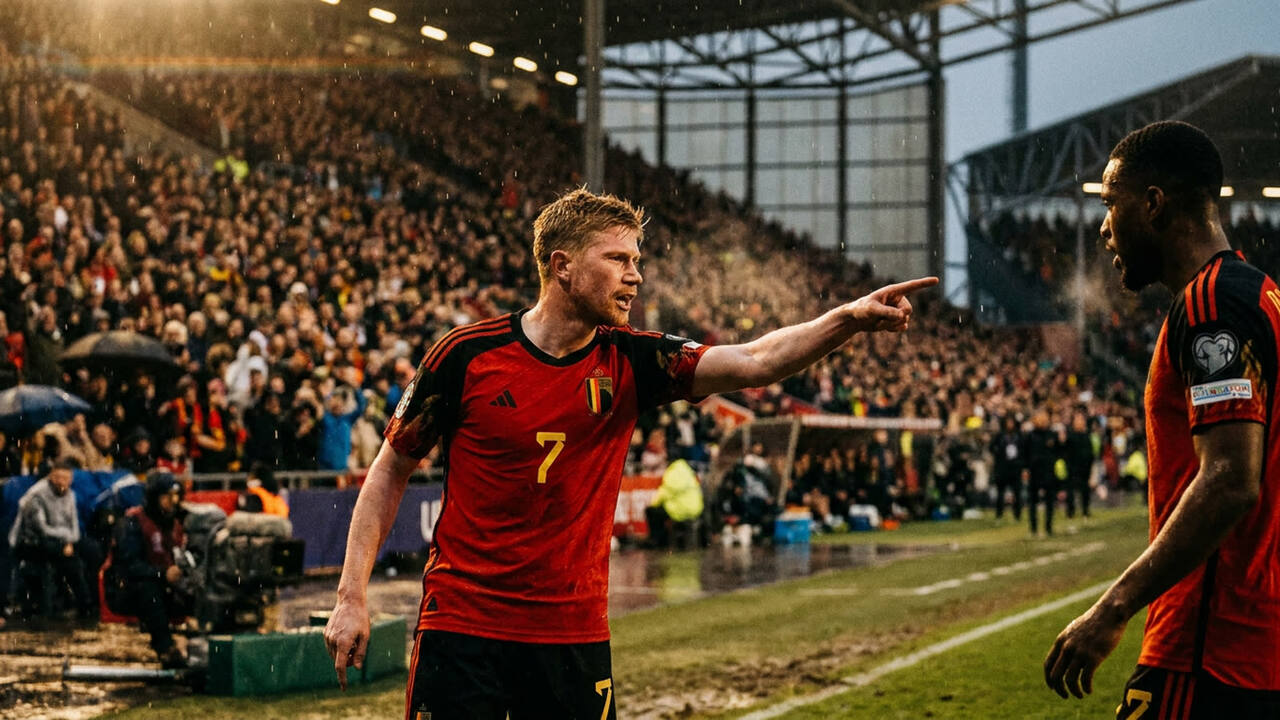
Kevin De Bruyne has spent much of this tournament looking like a man burdened by the weight of expectation. At 35, his legs no longer carry him through ninety minutes with the same relentless energy, and his frustration has been visible—snapping at teammates, gesticulating at the bench, wearing the expression of someone who knows time is running out.
But the third group match revealed what happens when Belgium's midfield finally clicks around him rather than expecting him to do everything. The movement off the ball improved dramatically. Runners made themselves available. De Bruyne could orchestrate rather than improvise, and the difference was night and day.
A tactical recalibration
Manager Domenico Tedesco deserves credit for adjustments that looked obvious in hindsight but required courage to implement. The shift to a more compact defensive shape freed Belgium's attackers from excessive tracking back, preserving energy for the moments that matter. The pressing triggers became more selective, more intelligent.
The result was a Belgium side that controlled tempo rather than chasing the game. Whether this represents a genuine tactical evolution or merely a favorable matchup remains to be seen—knockout football will provide a sterner examination.
The bracket awaits
Belgium's path from here depends entirely on which version of the team shows up. The side that sleepwalked through the opening matches would struggle against any competent opponent. The side that emerged in match three could trouble anyone in the tournament.
This is the eternal puzzle of tournament football: form is temporary, but so is the runway. Belgium's golden generation has perhaps three or four matches left to validate a decade of promise that has yielded everything except the ultimate prize.
Our take
Belgium's revival feels less like a team hitting its stride and more like a group of supremely talented individuals finally acknowledging that individual brilliance alone won't suffice. The question isn't whether they can play beautiful football—we've known that for years. The question is whether they can sustain the collective discipline and tactical coherence that knockout football demands. One match doesn't answer that. But it does suggest the tournament's potential for a compelling Belgian subplot just increased considerably.