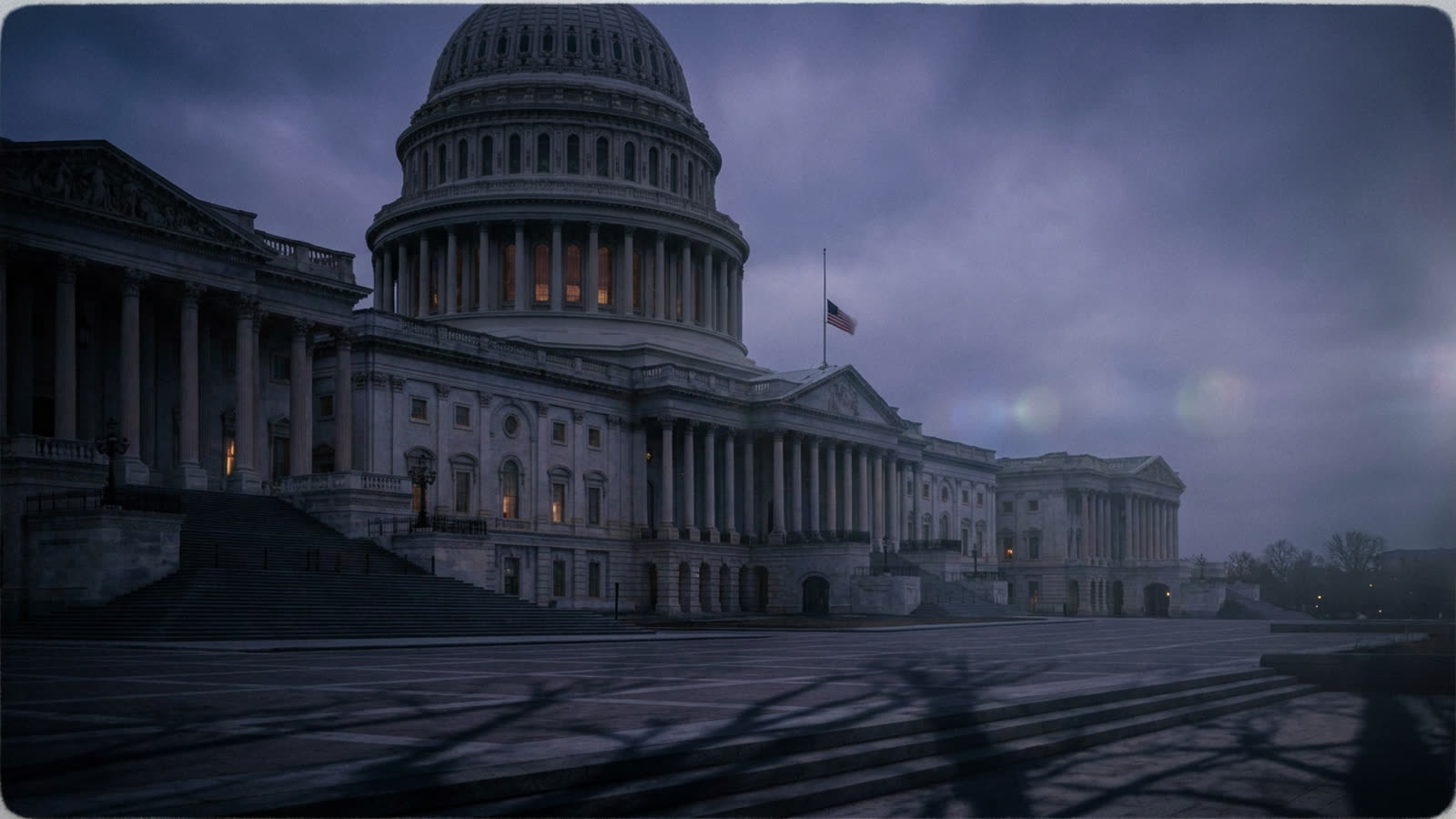
The officers who held the line on January 6, 2021, are now asking a federal court to hold a different line: the one separating executive discretion from congressional authority over the public purse.
A group of U.S. Capitol Police officers and Metropolitan Police Department members filed suit this week to halt the Trump administration's so-called "anti-weaponization" fund, a pot of federal money earmarked to compensate individuals the president believes were unfairly prosecuted during previous administrations. The fund's most prominent intended beneficiaries are defendants convicted in connection with the Capitol riot—people the officers themselves arrested, fought, or watched assault their colleagues on live television.
The constitutional argument
The lawsuit's core claim is straightforward: Congress never appropriated money for this purpose, and the executive branch cannot simply invent a compensation scheme for convicted criminals. The officers argue this violates the Appropriations Clause, which reserves spending authority to the legislative branch. It is a separation-of-powers argument with teeth, particularly given that many January 6 defendants pleaded guilty or were convicted by juries—not exonerated.
The administration has defended the fund as an exercise of prosecutorial discretion and executive clemency, framing the January 6 prosecutions as politically motivated overreach. But clemency traditionally means pardons or commutations, not cash payments. The officers' attorneys contend that transforming clemency into a disbursement program crosses a constitutional line that no president has previously attempted.
The political stakes
Beyond the courtroom, the lawsuit forces a clarifying question onto the national agenda: What does the government owe people who attacked it? The fund has already become a flashpoint in the 2026 midterm campaigns, with vulnerable Republicans in swing districts facing uncomfortable questions about whether they support compensating rioters who injured police.
For the officers themselves, the suit is both legal strategy and public statement. Several plaintiffs suffered traumatic brain injuries, broken bones, and lasting psychological damage during the attack. One officer, now retired on disability, told reporters the fund felt like "being assaulted twice."
Our take
The lawsuit may or may not succeed—courts have historically been reluctant to police interbranch spending disputes, and standing questions loom. But the officers have done something valuable regardless of outcome: they have forced the administration to defend, in specific legal terms, the proposition that the federal government should pay people who beat police officers with flagpoles. That is a clarifying exercise for everyone.