When Jamie King filed for divorce from Kyle Newman in May 2020, citing irreconcilable differences and requesting a domestic violence restraining order, the entertainment press treated it as a standard celebrity split — dramatic, yes, but destined for the usual arc of settlement and silence. Six years later, the couple remains locked in legal combat, their estranged marriage now older in its dissolution phase than many Hollywood unions last in their entirety.
The King-Newman case has become something of a case study in how modern celebrity divorces unfold: not as discrete events but as ongoing narratives, with court filings serving as plot points and social-media statements functioning as press releases. Newman, the director behind Fanboys and Barely Lethal, has contested custody arrangements with the tenacity of a litigant who seems to understand that attention, in the entertainment economy, is never truly negative.
The economics of the endless split
Celebrity divorce attorneys in Los Angeles report that high-asset, high-visibility dissolutions now routinely stretch beyond five years, a marked departure from the rapid settlements that characterized earlier eras. The reasons are partly structural — California's complex community-property laws, the difficulty of valuing intellectual property and residuals — but also cultural. Social media has transformed divorce from a private humiliation into a potential brand-building exercise. Each party can cultivate sympathy, frame narratives, and maintain relevance during what would otherwise be a career lull.
King, who rose to prominence as a model in the 1990s before transitioning to acting roles in Sin City and Hart of Dixie, has largely avoided public commentary on the proceedings. Newman has been more voluble, occasionally addressing the situation in interviews and on social platforms. The asymmetry itself becomes content: silence is interpreted as dignity or evasion, depending on the observer's sympathies.
Children as the unspoken center
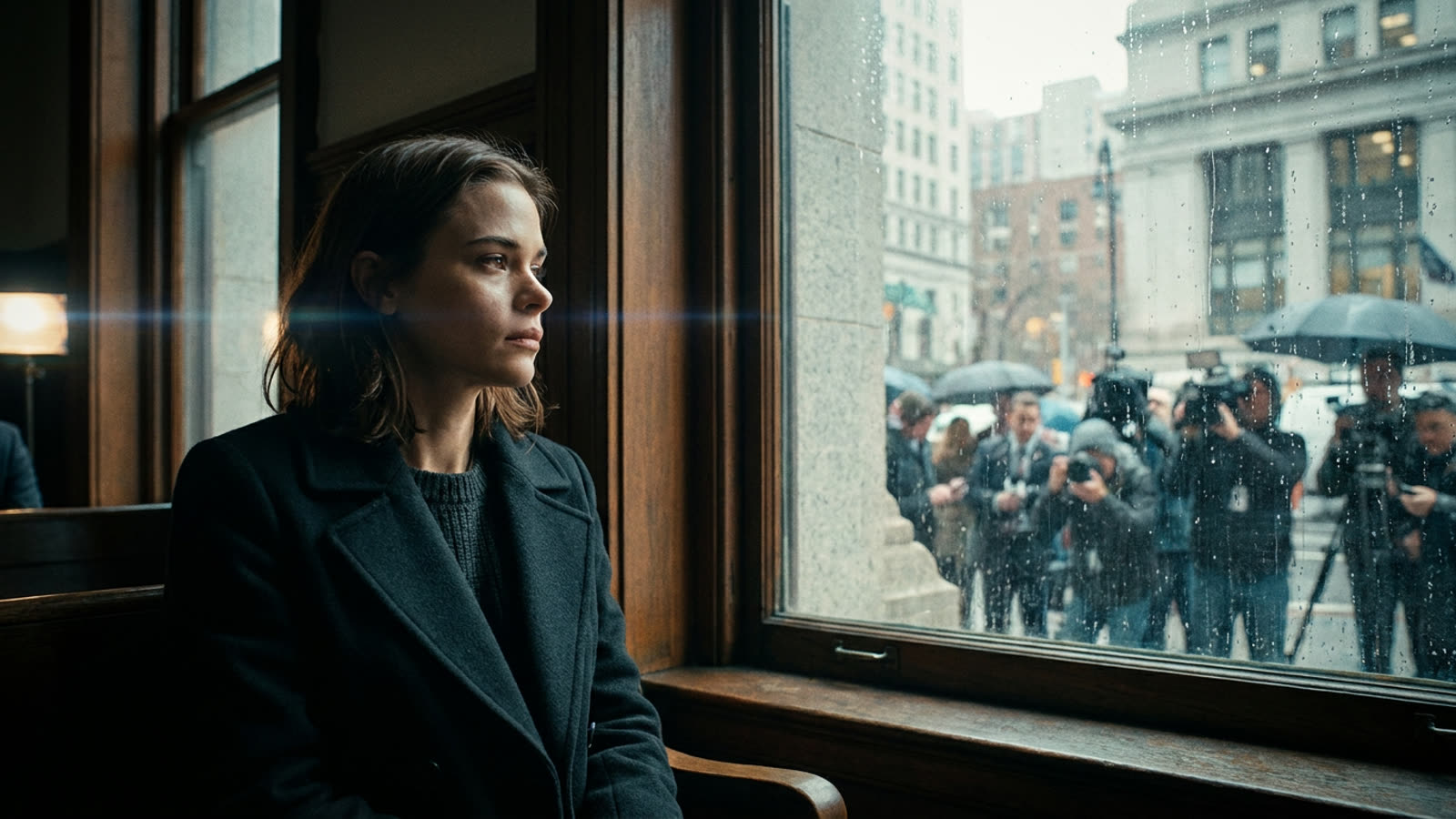
The couple shares two sons, now school-aged, whose lives have unfolded entirely within the shadow of their parents' legal conflict. California family courts have increasingly grappled with how to shield children from the collateral damage of celebrity custody disputes, where paparazzi stakeouts and tabloid speculation can transform routine school pickups into media events.
Judges in Los Angeles County have experimented with stricter confidentiality orders and limitations on what parties can disclose publicly, but enforcement remains inconsistent. The King-Newman proceedings have included multiple sealed filings, suggesting the court recognizes the particular vulnerabilities at play — though sealed documents, paradoxically, often generate more speculation than transparency would.
Our take
There is something exhausting about the modern celebrity divorce, its refusal to resolve, its transformation of private grief into episodic entertainment. Jamie King and Kyle Newman are hardly unique — they are simply representative of a system that incentivizes prolongation over closure. The children at the center of these disputes will eventually become adults who can Google their parents' worst moments. That alone should be reason enough for everyone involved to find an ending.