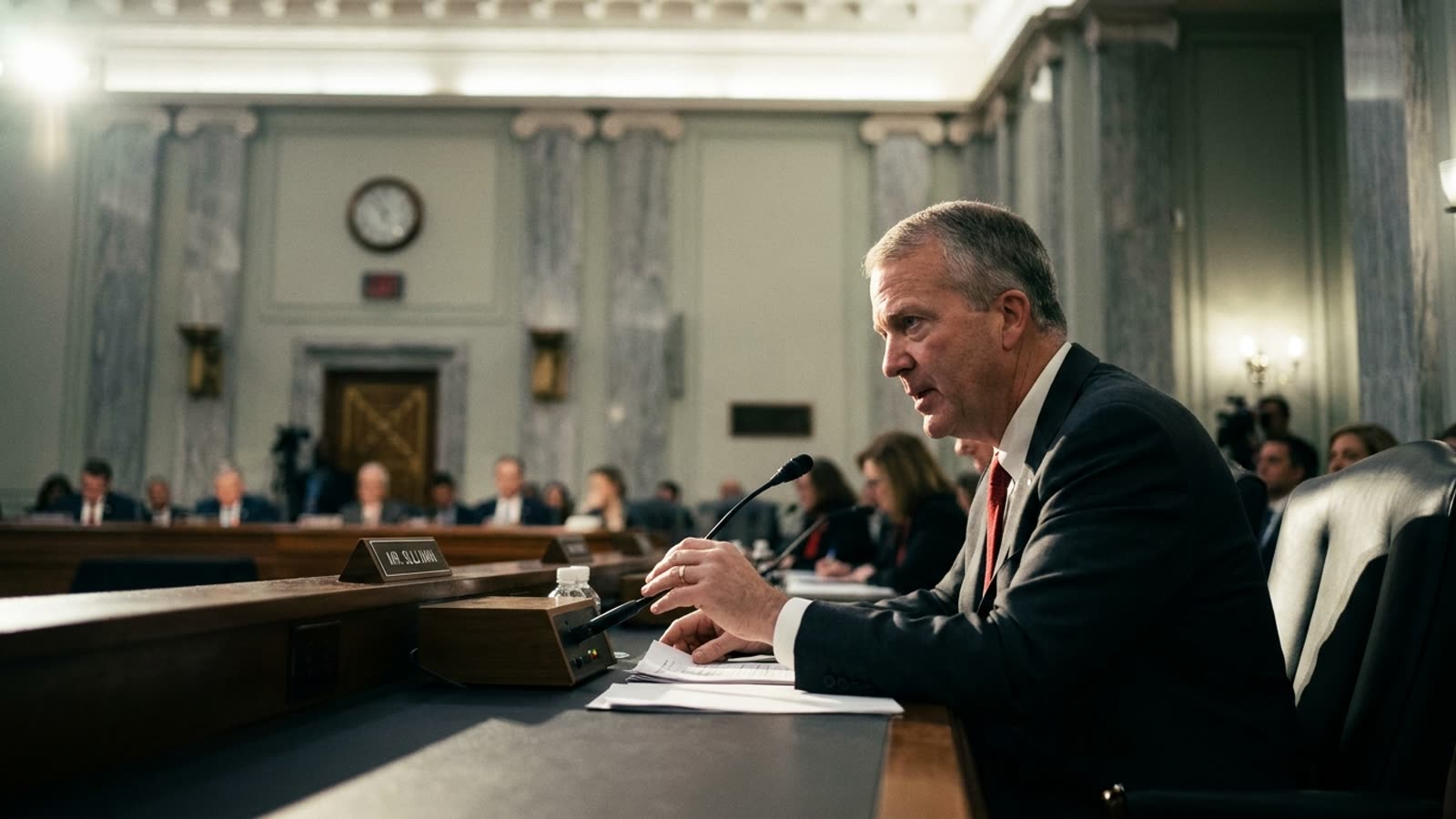
Alaska's senior senator is betting his political future on a war most of his constituents cannot find on a map.
Dan Sullivan, seeking his third term in a state where "leave me alone" functions as unofficial policy, has made the Iran conflict the centerpiece of his 2026 campaign. It is a curious choice for a politician representing a constituency that historically cares far more about oil royalties and fishing quotas than foreign entanglements. But Sullivan, a Marine Corps Reserve colonel who served on the National Security Council, appears to believe that hundred days of airstrikes have fundamentally altered the Republican electorate's relationship with military intervention.
The Alaska paradox
Alaska is simultaneously one of the most militarized and most isolationist states in the union. Joint Base Elmendorf-Richardson and Eielson Air Force Base employ thousands; defense contracting is a meaningful slice of the economy. Yet Alaskans have long exhibited a libertarian skepticism toward federal adventures abroad, preferring their tax dollars spent on things they can see—roads, ferries, the Permanent Fund dividend.
Sullivan's calculation is that the Iran war is different. Unlike Iraq or Afghanistan, the conflict has been framed by the administration as defensive—a response to attacks on American naval assets and regional allies. The senator has positioned himself as a validator of this narrative, appearing regularly on cable news to praise the campaign's execution while carefully avoiding any timeline for withdrawal.
A proxy fight for the party
The Alaska race matters beyond its three electoral votes because it may preview how Republican candidates nationwide will handle the war heading into the midterms. Sullivan faces a primary challenge from his right—a state legislator who has called the conflict "another neocon money pit"—and a general election opponent who has criticized the war's open-ended nature without quite opposing it.
If Sullivan cruises to victory while running as a full-throated hawk, it will embolden Republican incumbents elsewhere to do the same. If he struggles, particularly in the primary, it will suggest that the MAGA coalition's anti-interventionist streak remains potent despite the administration's efforts to rebrand the war as an extension of America First principles.
Our take
Sullivan is a competent retail politician in a state where competence and incumbency usually suffice. His gamble is that Alaskans will treat the Iran war the way they treat the military bases in their backyard: as a fact of life that brings jobs and prestige, not a policy choice requiring scrutiny. He is probably right. But the margin will tell us something important about whether Americans have truly moved past their post-Iraq exhaustion, or whether they have simply stopped paying attention.