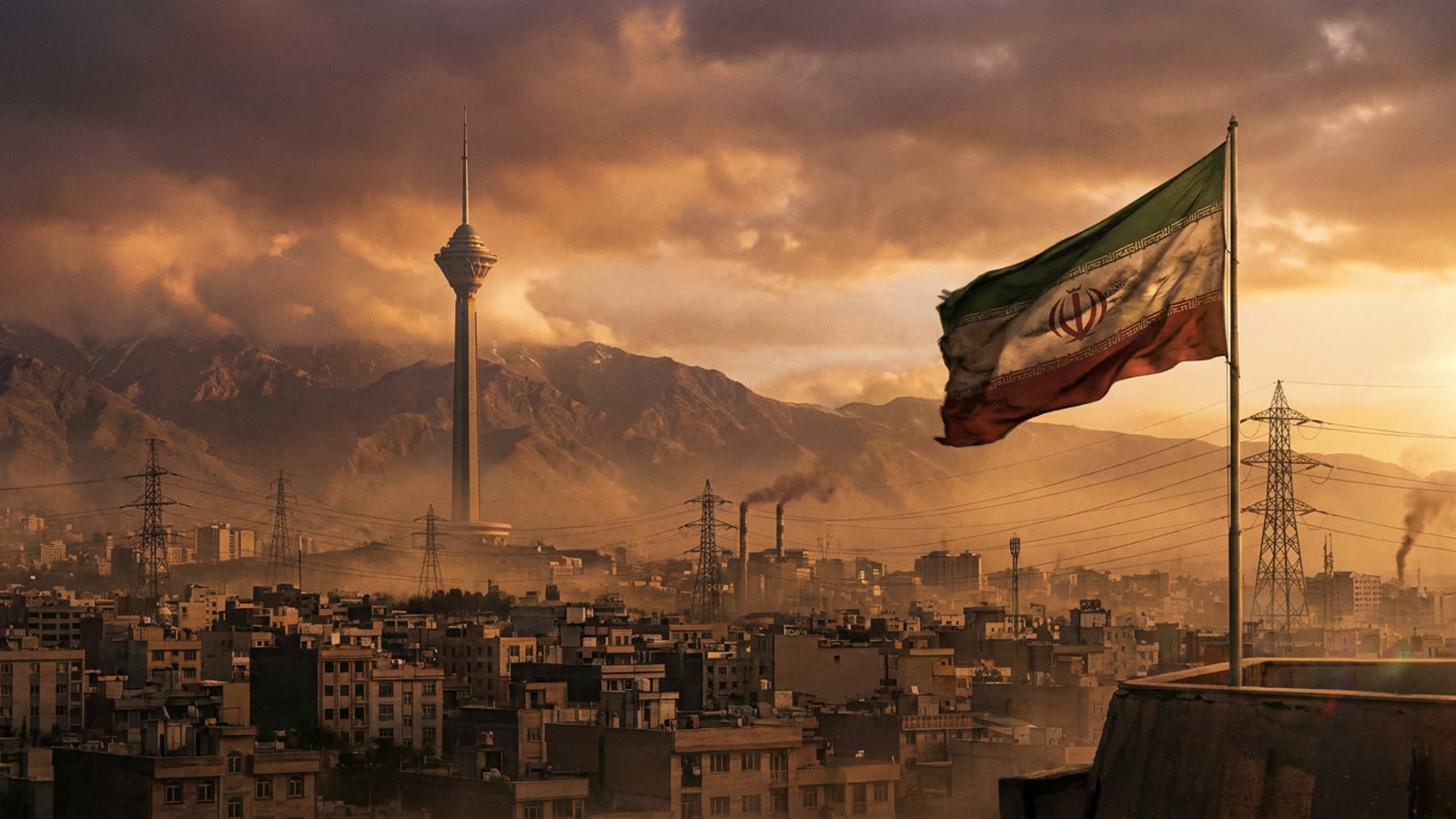
Iran is running out of time and fuel simultaneously. As the country enters what promises to be a brutal summer, its energy infrastructure—already strained by months of war-related disruptions—is showing signs of systemic failure. Emergency measures that were supposed to be temporary have become permanent features of daily life, and the stockpiles that might have cushioned the blow are largely exhausted.
The arithmetic is unforgiving. Domestic oil production has cratered due to infrastructure damage and the flight of technical expertise. Refining capacity, never adequate for a nation of 88 million, has been further compromised. And the imports that might have bridged the gap are constrained by sanctions, payment difficulties, and the simple logistics of moving hydrocarbons through a war zone.
The rationing reality
Iranian authorities have implemented rolling blackouts across major cities, with some neighborhoods receiving power for only twelve hours daily. Petrol stations operate on alternating schedules. Industrial facilities have been ordered to reduce consumption by forty percent or face disconnection. These are not the temporary inconveniences of a brief emergency but the new baseline for Iranian economic life.
The human cost extends beyond discomfort. Hospitals report difficulties maintaining cold chains for medications. Food spoilage has accelerated. Small businesses that survived sanctions and pandemic are now failing because they cannot keep the lights on. The informal economy—always Iran's shock absorber—is struggling to adapt to an energy poverty this severe.
Summer's multiplier effect
Iran's electricity demand typically increases by thirty to forty percent during peak summer months as air conditioning becomes not a luxury but a survival necessity. Temperatures in cities like Ahvaz routinely exceed 50°C. Without reliable power, heat-related mortality will rise, particularly among the elderly and those with chronic conditions.
The government has few good options. It can prioritize residential power over industrial, accepting the economic contraction that follows. It can attempt to import electricity from neighbors—Turkey, Armenia, Azerbaijan—but transmission capacity is limited and those countries have their own summer peaks to manage. Or it can simply let the crisis unfold, hoping that public anger remains manageable.
Regional implications
Iran's energy crisis does not exist in isolation. Every barrel of oil consumed domestically is one not available for export, further tightening global supply at a moment when markets are already anxious. The country's reduced refining output means it must import more finished products, competing with other buyers in a seller's market. And the economic damage weakens a government already under extraordinary pressure, with unpredictable consequences for regional stability.
Our take
Energy crises reveal the true resilience of states, and Iran's is being tested to destruction. The combination of war damage, sanctions, underinvestment, and now seasonal demand creates a perfect storm with no obvious shelter. What happens in Iranian cities this summer will shape the country's political trajectory for years—and the rest of the world should be paying closer attention than it is.