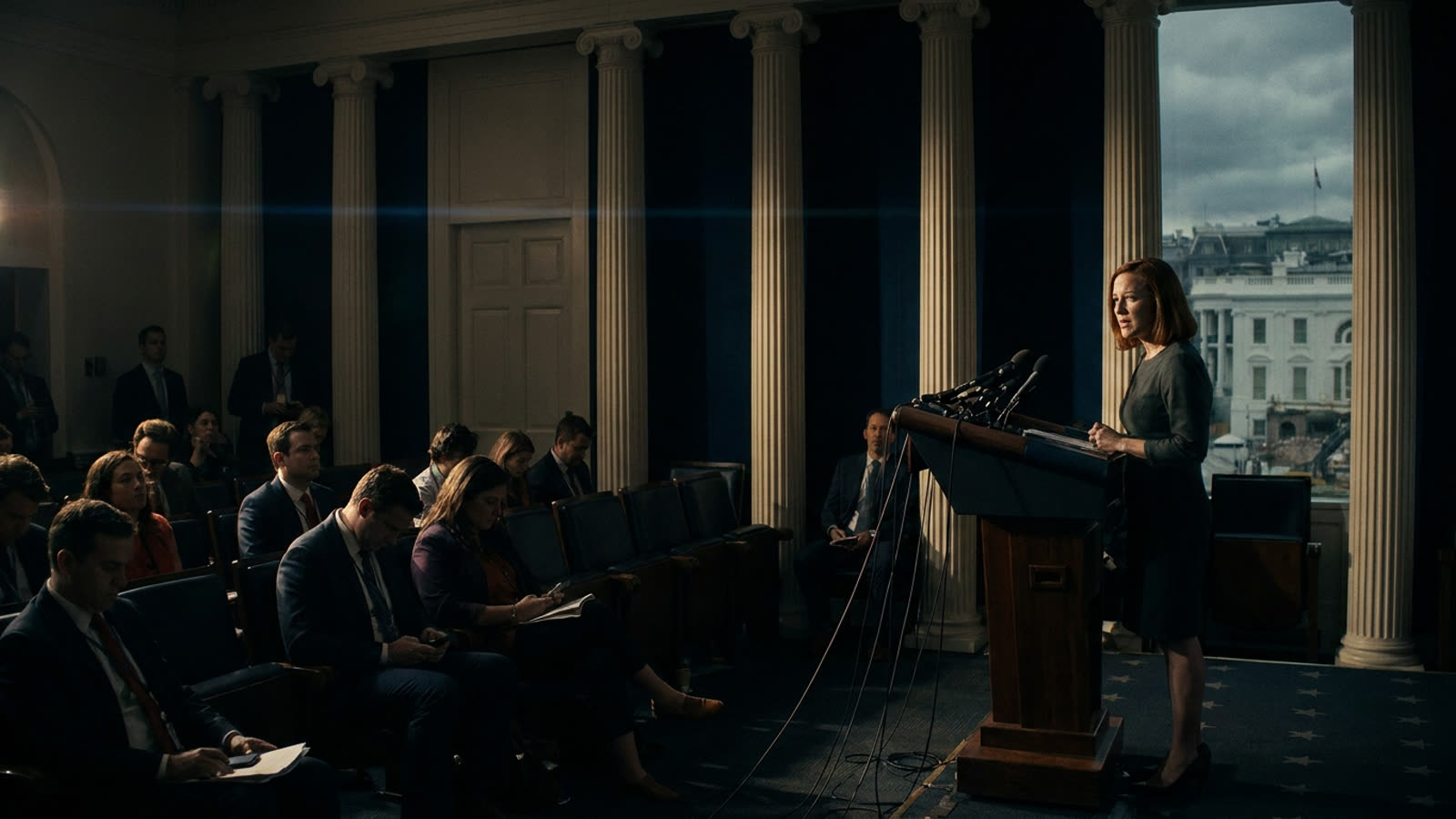
The United States has apparently reached a ceasefire agreement with Iran, one of the most consequential diplomatic developments in a generation, and the people constitutionally empowered to declare war and ratify treaties have no idea what it says.
President Trump announced over the weekend that he would release the text of the Iran agreement "in a couple of days," a timeline that has already slipped. Meanwhile, lawmakers from both parties have been reduced to parsing press conferences and foreign ministry statements to understand what their government has committed to. The Senate narrowly blocked a renewed attempt to invoke war powers oversight on Monday, but the vote—closer than the White House would have liked—reflected genuine bipartisan frustration with being kept in the dark.
The $300 billion question
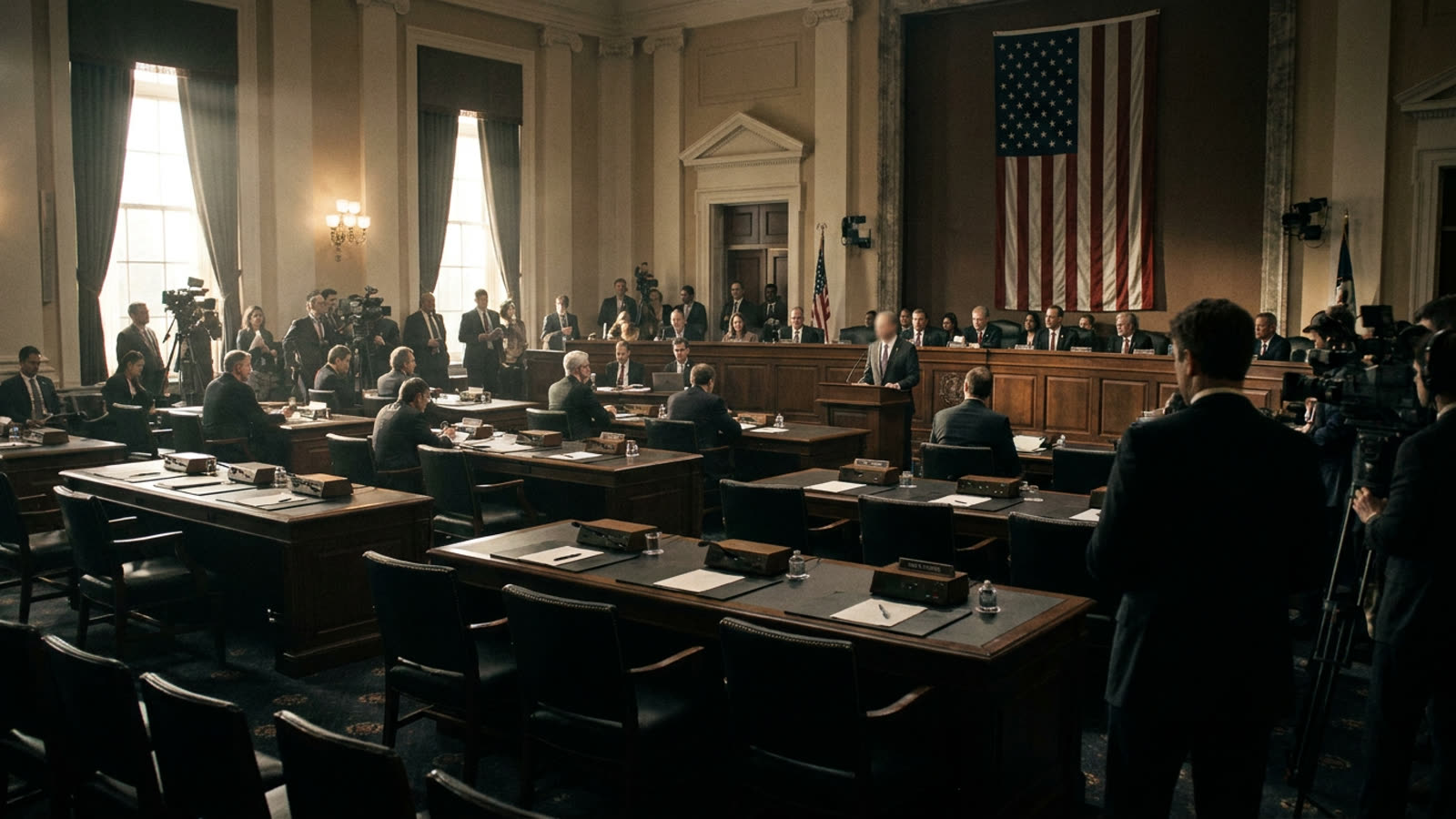
The agreement reportedly involves substantial sanctions relief, with CNN's analysis pegging the potential economic benefit to Tehran at roughly $300 billion over several years. That figure, if accurate, represents one of the largest financial concessions in modern diplomatic history—larger than the Obama-era JCPOA's relief package that Republicans spent years excoriating. Yet the administration has provided no formal briefing to the Senate Foreign Relations Committee, no classified session for the Gang of Eight, and no indication of when such transparency might arrive.
The constitutional architecture here is genuinely murky. Executive agreements, unlike treaties, do not require Senate ratification. Presidents of both parties have used this flexibility to conduct foreign policy without congressional interference, from FDR's destroyers-for-bases deal with Britain to Obama's Paris climate accord. But the scale and stakes of the Iran arrangement push against even the most expansive interpretations of executive authority. This is not a fisheries agreement or a postal convention. It is a fundamental restructuring of America's posture toward a nation it has sanctioned, threatened, and nearly bombed for four decades.
The politics of deliberate ambiguity
The administration's reticence may be strategic. Releasing the full text would invite line-by-line criticism from hawks who already view any deal with Tehran as capitulation, and from Democrats who might find the terms insufficiently protective of regional allies. Keeping the agreement vague allows the White House to claim victory while deferring the hardest questions. What happens if Iran resumes enrichment? What verification mechanisms exist? What commitments, if any, did the U.S. make regarding Israel's freedom of action? These are not academic concerns—they are the substance of whether this ceasefire becomes a durable peace or a brief intermission.
The Senate's failed war powers vote suggests that Congress lacks the votes to force disclosure, at least for now. But the margin was narrow enough to suggest vulnerability. If the agreement's terms leak—through foreign sources, through disgruntled officials, through the inevitable Washington process—the administration will face questions about why it trusted Tehran with information it withheld from Capitol Hill.
Our take
Executive privilege in foreign affairs is real and sometimes necessary. But a democracy that conducts its most consequential diplomacy in secret from its own legislature is playing a dangerous game. The Trump administration may have secured a genuine breakthrough with Iran, or it may have traded away leverage for a photo opportunity. The problem is that no one outside a very small circle knows which—and that circle does not include the people Americans elected to provide oversight. Transparency is not the enemy of diplomacy; it is the price of democratic legitimacy.