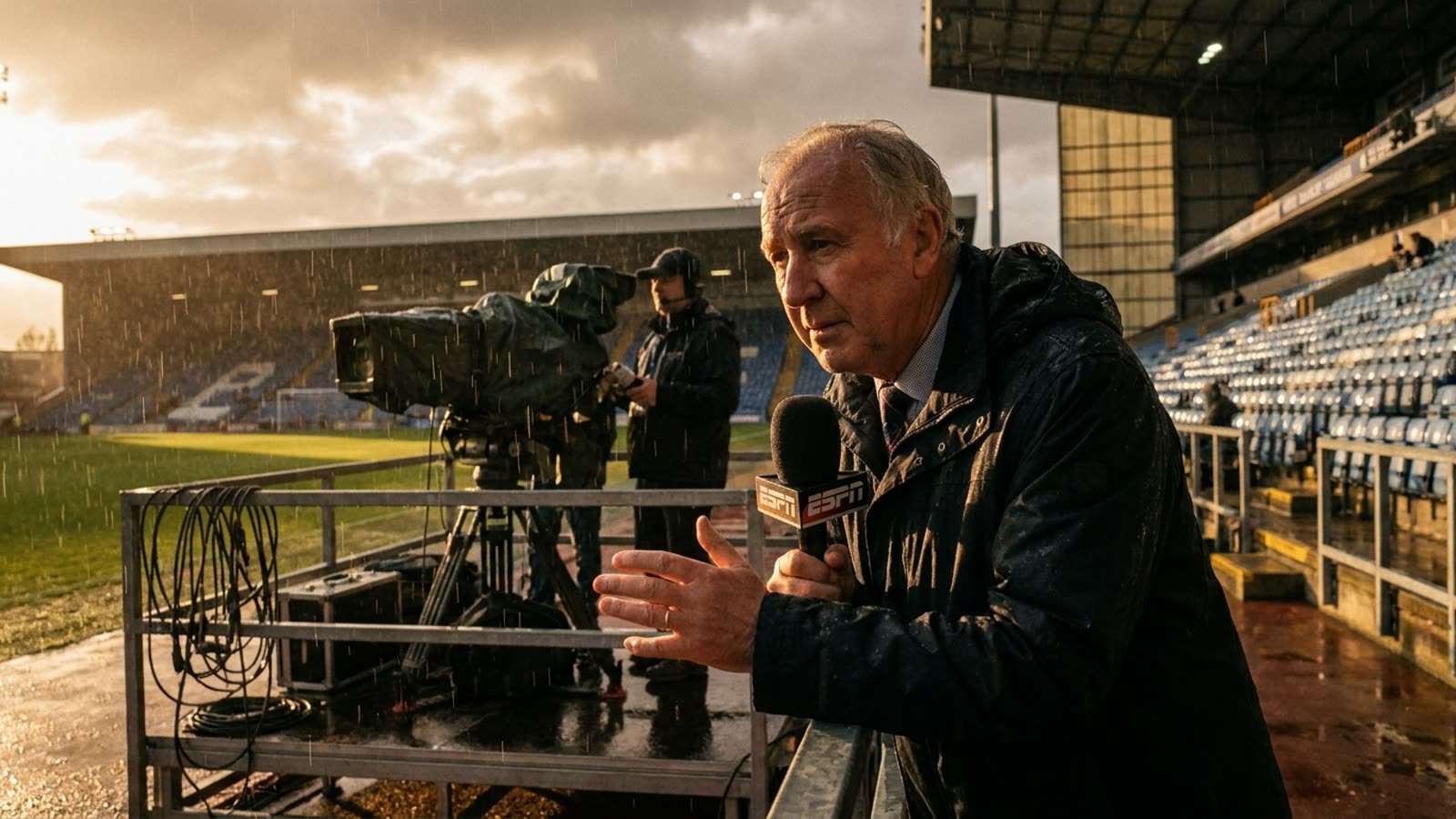
The man who called Landon Donovan's goal against Algeria and narrated countless Premier League afternoons has made his pick for the 2026 World Cup: Brazil. In an era when the Seleção have become synonymous with quarterfinal collapses and tactical confusion, Ian Darke's prediction reads less like analysis and more like a prayer.
Darke's reasoning, laid out in his ESPN preview, leans on Brazil's embarrassment of attacking riches and the tournament's expanded format giving them more margin for error. It's a reasonable enough thesis. But it also requires ignoring that Brazil haven't lifted the trophy since 2002 — a 24-year drought that has outlasted multiple golden generations and consumed managers who arrived as saviors and departed as cautionary tales.
The case for and against the favorites
The bookmakers have France and England as slight favorites, with Argentina's Lionel Scaloni seeking to defend the title won in Qatar. Brazil sit in the next tier, alongside Germany and host nation United States. Darke's contrarian pick acknowledges that Brazil's ceiling remains higher than almost anyone's — Vinícius Júnior, Rodrygo, and Endrick form an attack that would make most nations weep with envy.
Yet Brazil's problem has never been talent. It's been the peculiar psychological weight of being Brazil, a team that plays every World Cup as if the ghost of 1970 is watching from the stands, judging every sideways pass as a betrayal of national identity. The 7-1 against Germany in 2014 didn't just end a tournament; it fractured something in the Brazilian football psyche that a dozen club trophies for their stars haven't repaired.
What Darke sees that others don't
The veteran commentator's optimism stems partly from the tournament's North American setting. Brazil have historically thrived in the Americas — they won the 1994 World Cup in the United States and the 2019 Copa América at home. The time zones suit South American preparation, the pitches will be immaculate, and the diaspora support will be enormous. In a competition where marginal gains matter, playing in front of 40,000 Brazilian fans in Miami or Los Angeles isn't nothing.
Darke also points to what he calls the "breakout star" factor — the tendency of World Cups to mint new legends rather than crown established ones. If Endrick, still just 19, announces himself on the global stage the way a young Ronaldo did in 1998, Brazil's tournament could take on an entirely different complexion.
Our take
Darke's prediction is romantic, which is precisely why it resonates. The World Cup needs Brazil to be Brazil — not the cautious, frightened version that has stumbled through recent tournaments, but the swaggering, joyful side that once made the sport look like an art form. Whether they can actually deliver is another matter entirely. But in a tournament that begins tomorrow with more chaos and controversy than any in recent memory, having one of the game's great voices bet on beauty feels almost defiant. Brazil probably won't win. But Darke is right to want them to.