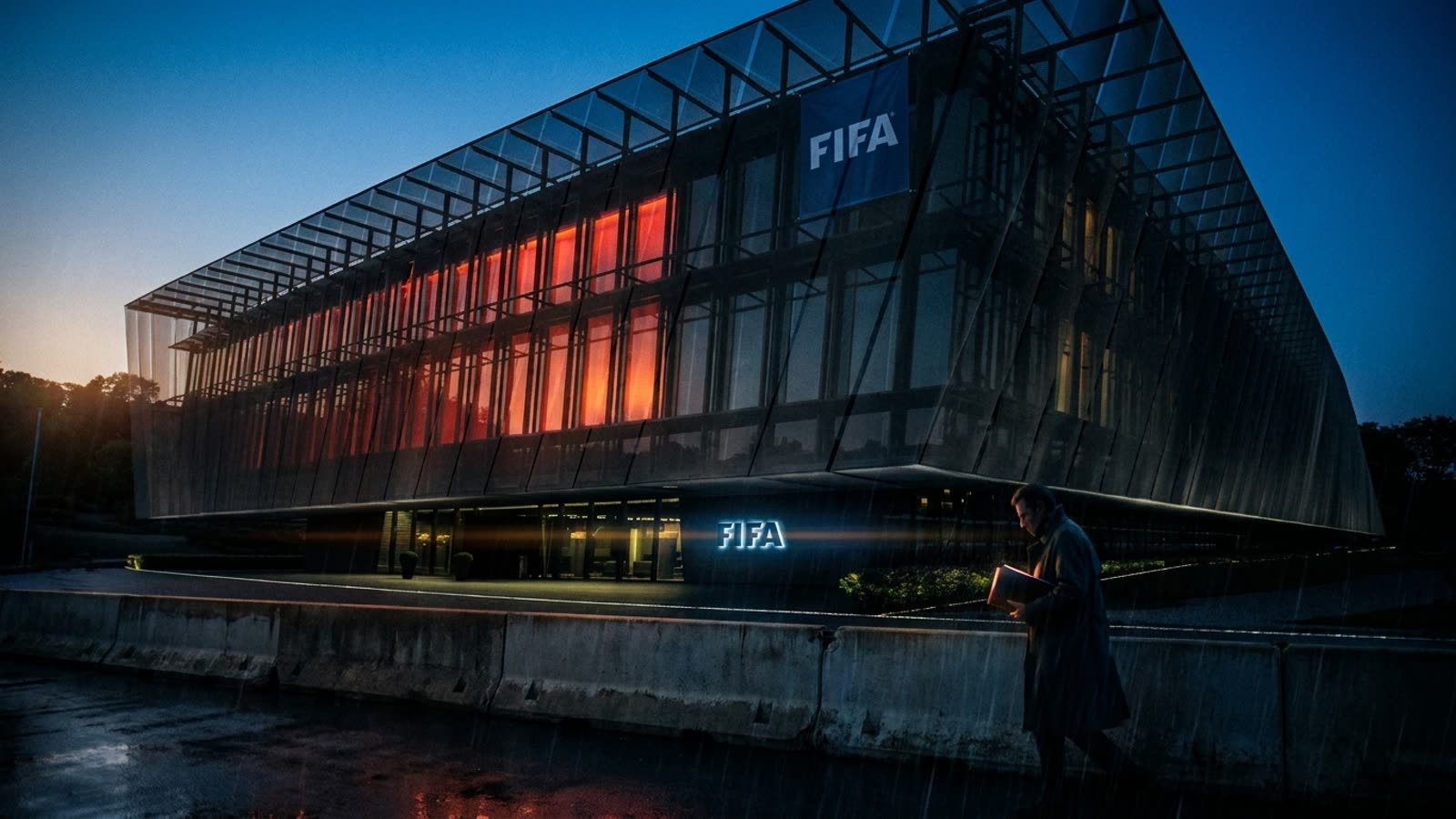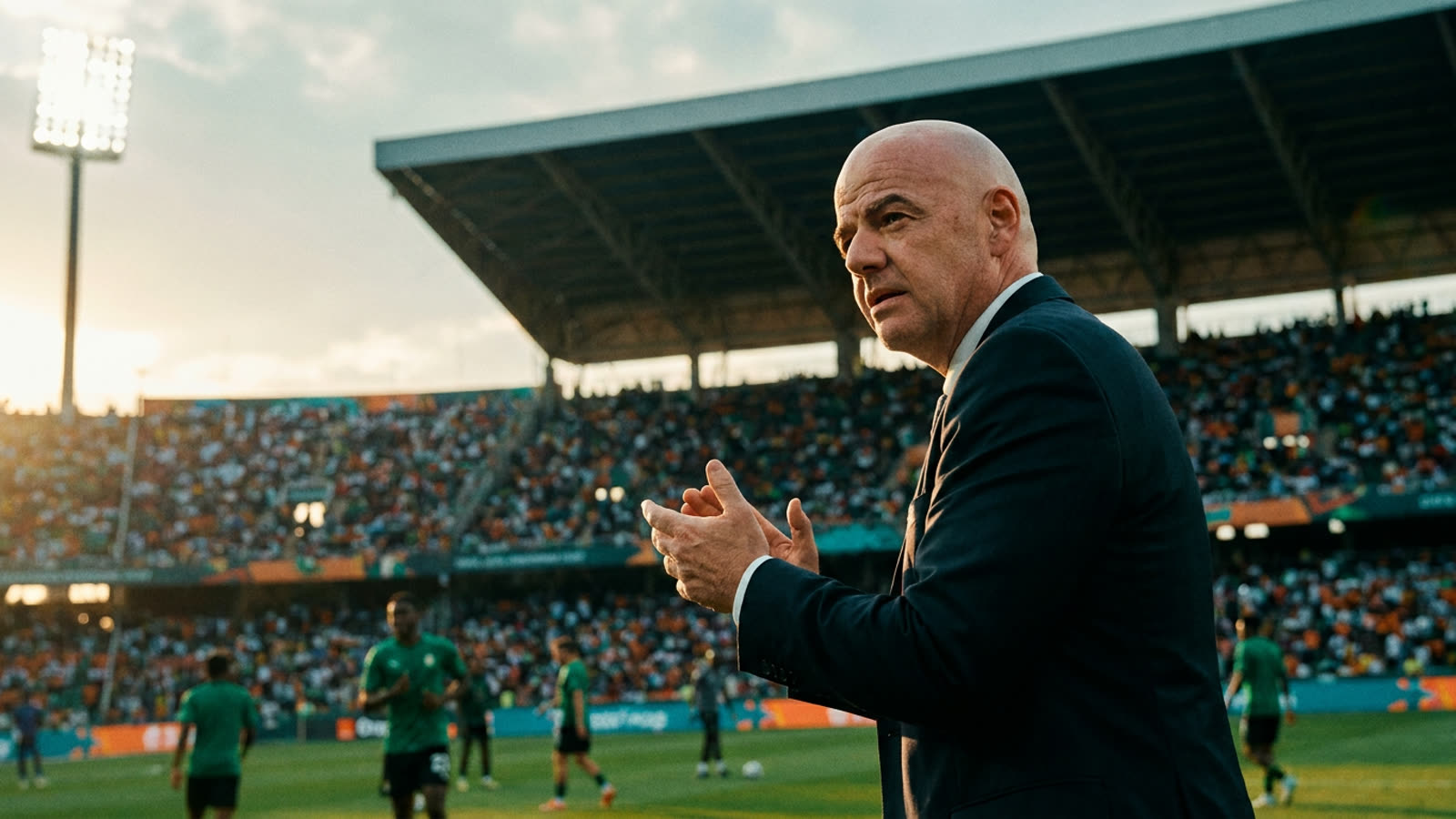
The most powerful man in football spent years cultivating Donald Trump, posing for photographs, praising American greatness, and steering the 2026 tournament to North American soil with the enthusiasm of a man who believed proximity to power was its own reward. Now, days before kickoff, Gianni Infantino is discovering that political alignment and sporting diplomacy make uncomfortable bedfellows.
The controversies have arrived in clusters. Visa complications for Iranian players required last-minute diplomatic intervention. Ebola-related travel restrictions threatened to sideline African delegations. Sponsors have grown skittish about associating their brands with an event shadowed by geopolitical friction. And the host cities themselves—some governed by officials who view the current administration with open hostility—have bristled at FIFA's apparent willingness to let Washington set the tournament's tone.
The transactional presidency meets the beautiful game
Infantino's calculation was never subtle. The United States offered stadiums, infrastructure, and a commercial market that dwarfs traditional football powers. Trump offered something more personal: access, flattery, and the imprimatur of the world's most consequential government. The FIFA president attended rallies, echoed talking points about American exceptionalism, and positioned the World Cup as a celebration of the host nation's return to global sporting prominence.
What Infantino underestimated was the degree to which Trump's polarizing presence would become inseparable from the tournament itself. Every credential dispute, every security protocol, every press conference now carries political subtext. The beautiful game has become a referendum on American governance—precisely the outcome FIFA's apolitical branding was designed to avoid.
Sponsors hedge their bets
Corporate partners have noticed. Several major sponsors have quietly reduced their visibility in American host cities, preferring to concentrate marketing efforts in Mexico and Canada, where the political temperature runs cooler. Others have inserted contract clauses allowing them to distance themselves from "reputational events"—legal language that did not exist in previous World Cup cycles.
The commercial implications extend beyond this tournament. FIFA's long-term revenue model depends on presenting itself as a neutral platform for global unity. Every photograph of Infantino beside a controversial political figure erodes that positioning, making future sponsorship negotiations incrementally harder.
Our take
Infantino is not the first sports administrator to misjudge the half-life of political favor. But he may be the first to do so while hosting the world's most-watched event in a nation as politically divided as the contemporary United States. The World Cup will proceed, the matches will be played, and the television numbers will likely be enormous. Yet the institution Infantino leads will emerge diminished—not because the football was poor, but because its president forgot that neutrality, however boring, was always FIFA's most valuable asset.