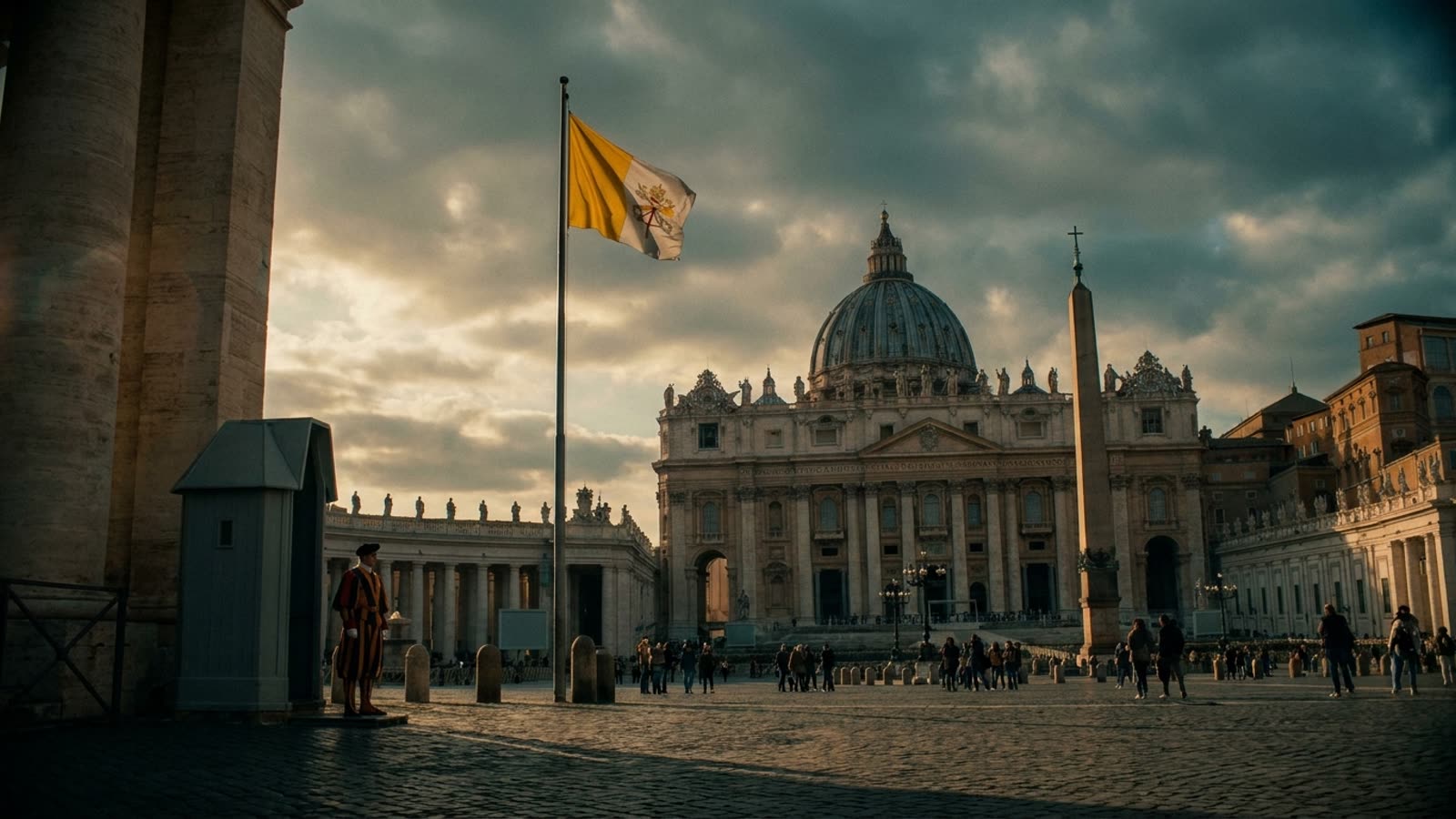
The Vatican has no aircraft carriers, no sovereign wealth fund, and a population smaller than most apartment buildings. Yet it maintains formal diplomatic relations with more than 180 countries, operates the world's oldest continuous foreign ministry, and regularly brokers negotiations that elude far wealthier powers. This is not an accident of history but the product of a diplomatic apparatus refined over fifteen centuries — one that offers a masterclass in soft power for anyone willing to study it.
The Holy See's influence rests on a peculiar legal fiction: it is simultaneously a religious institution and a sovereign subject of international law, a status that predates the modern nation-state. This dual identity allows papal diplomats to operate in spaces closed to conventional governments. A Vatican envoy can meet with rebel leaders, authoritarian regimes, and liberal democracies in the same week without triggering the political blowback that would paralyze a secular foreign ministry.
The nuncio system
The backbone of Vatican diplomacy is the apostolic nuncio — the papal equivalent of an ambassador, but with a twist. In many Catholic-majority countries, the nuncio is automatically granted the status of dean of the diplomatic corps, regardless of tenure. This ceremonial privilege, dating to the Congress of Vienna, gives the Vatican's representative first access to heads of state and first word at diplomatic gatherings. It is a small advantage, but in diplomacy, small advantages compound.
Nuncios are typically career clerics trained at the Pontifical Ecclesiastical Academy, a discreet institution in Rome that has produced diplomats since 1701. The curriculum emphasizes languages, canon law, and the art of the long game. Where secular diplomats rotate every few years, a nuncio may spend decades in a single region, accumulating relationships and institutional memory that outlast elected governments.
The back-channel advantage
The Vatican's most valuable diplomatic asset is its perceived neutrality. Because it has no territorial ambitions and no commercial interests, the Holy See can serve as an honest broker in conflicts where other mediators are suspect. It played a quiet role in the normalization of relations between the United States and Cuba, hosted secret talks between warring factions in Colombia, and has maintained open channels with both Israel and Palestine for decades.
This neutrality is carefully cultivated. The Vatican almost never publicly criticizes a government by name, preferring oblique references to "violations of human dignity" that allow it to maintain working relationships with regimes it privately finds abhorrent. Critics call this moral cowardice; practitioners call it diplomatic realism. The result is access that no other small state enjoys.
Limits of the model
The Vatican's influence is not without constraints. Its moral authority depends on the credibility of the papacy, which has been badly damaged by the clerical abuse crisis. Its diplomatic corps is aging and overwhelmingly male, limiting its perspective on issues that dominate modern international discourse. And its refusal to recognize certain states — Taiwan, Kosovo — reflects theological and political commitments that sometimes clash with its role as neutral arbiter.
Our take
The Holy See's diplomatic success offers an uncomfortable lesson for great powers: influence is not always a function of GDP or military spending. Sometimes it is a function of patience, perceived neutrality, and the willingness to play a game measured in centuries rather than election cycles. The Vatican's model cannot be easily replicated — it rests on unique historical circumstances and a religious mandate no secular state can claim. But in an era when traditional diplomacy seems increasingly ineffective, the world's smallest sovereign offers a reminder that soft power, properly deployed, remains power nonetheless.